


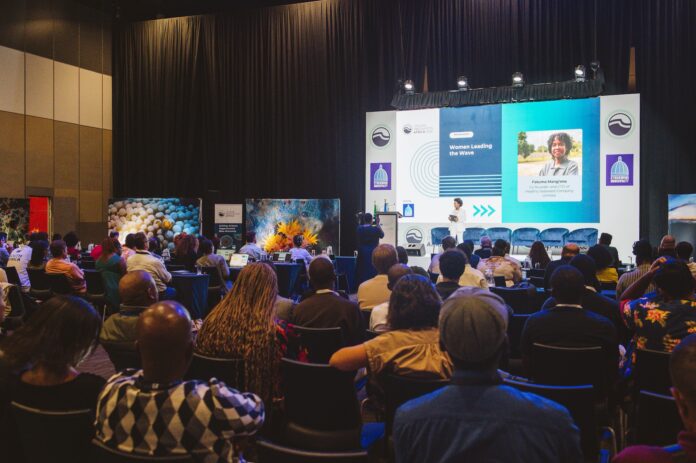
Durban’s coastline became a meeting point of ideas, innovation, and global ambition as the Ocean Innovation Africa (OIA) Summit 2026 wrapped up at the end of March, but beyond the policy talk, the real story was about people, possibility, and the future of Africa’s oceans.
With 581 delegates from 36 countries in attendance, the summit was not just another conference; it was a glimpse into how Africa’s blue economy is slowly shaping new careers, businesses, and opportunities tied to the ocean.
From young entrepreneurs turning ocean waste into fashion and materials to innovators building smarter aquaculture systems, the event highlighted how the ocean is becoming an unexpected driver of lifestyle, work, and sustainability across the continent.
Europe-Africa collaboration encouraged
Opening the summit, European Commission director-general Charlina Vitcheva set the tone, calling for stronger collaboration between Africa and Europe.
However, it was the human stories behind the innovation that stood out.
One of the most powerful moments came during the Women of the Blue: Leading the Wave sessions, where female leaders shared how they are reshaping the industry.
From Tanzania to South Africa, women like Fatuma Mang’ena and Maryke Musson are not only entering the space; they are leading it, building businesses, and influencing how communities interact with the ocean.
“These women are driving real change, for people, for climate, and for the future,” said OIA co-founder Alexis Grosskopf.
Innovation Lead at The Wave, Salma Baghdadi, brought a refreshing perspective, reminding delegates that success is not just about bright ideas.
“It’s about building the right environment around those ideas, connecting people, funding, and communities so innovation can actually grow,” she said.
Lifetime opportunity for three start-ups
That idea of connection ran throughout the summit, from networking sessions that sparked over 420 business meetings to workshops tackling one of the greatest challenges young innovators face: access to funding.
Still, there were clear wins. Three African start-ups, Ambani Fish Leather, Fibertext Green Paper Limited, and Chitelix, received fully funded opportunities to showcase their work internationally in Amsterdam, gaining access to global markets.
OceanHub Africa also revealed the scale of impact already underway.
Over the past five years, it has supported 149 businesses, created more than 1 700 jobs, and helped mobilise over $20-million (R332-million), proving that the blue economy is not just an idea but a growing reality.
As conversations now move toward the upcoming Our Ocean Conference in Mombasa next year, Africa’s relationship with the ocean is changing.
It is no longer just about the coastline; it is about careers, innovation, sustainability, and a new generation reimagining what is possible.
- The Ocean Innovation Africa Summit 2026 in Durban brought together 581 delegates from 36 countries, spotlighting Africa’s growing blue economy and its potential for new careers and sustainable businesses.
- European Commission emphasized stronger Africa-Europe collaboration to boost innovation and sustainable ocean management.
- Women leaders from across Africa were highlighted for their pioneering roles in ocean-related industries, reshaping communities and climate action.
- Networking and funding workshops facilitated over 420 business meetings, with three African start-ups winning fully funded opportunities to present internationally.
- OceanHub Africa showcased significant impact over five years, supporting 149 businesses, creating 1,700+ jobs, and mobilizing over $20 million, underscoring the blue economy’s expanding role.


