


By the time February rolls around, the excitement of the new year has usually faded.
While there’s still pressure to feel energised and motivated, many people instead find themselves battling fatigue, low mood and a general sense of flatness.
Experts say hormonal changes, especially as people age, could be playing a bigger role than they realise.
According to Ingrid Singels, the associate director of the scientific division at Pharma Dynamics, sexual hormones such as testosterone, estrogen, and progesterone are essential for maintaining energy levels, muscle strength, bone health, and emotional well-being.
Hormones support the system
“These hormones don’t just regulate reproduction; they support the systems that help us feel physically strong, mentally sharp, and motivated. When levels decline, it can affect everything from exercise recovery to mood and stamina,” says Singels.
Research links low testosterone in men to reduced muscle mass, persistent tiredness, and decreased exercise capacity.
Women’s falling estrogen levels, particularly during the menopausal transition, are associated with disrupted sleep, mood changes, and mental fog, all of which contribute to daytime fatigue.
“When hormone levels drop, people often blame stress, ageing or a busy lifestyle,” says Singels. “But in many cases, hormones are a significant part of the picture.”
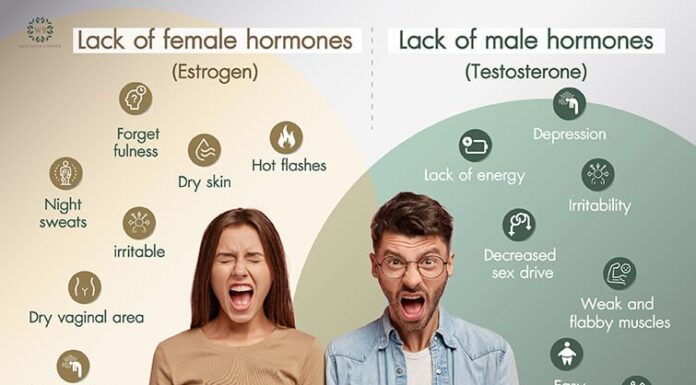
Men with declining testosterone may experience:
- Ongoing fatigue and reduced physical endurance
- Loss of muscle mass despite regular exercise
- Weight gain, particularly around the abdomen
- Low libido or erectile difficulties
- Irritability or low mood
A condition known as late-onset hypogonadism becomes more common with age. Studies suggest that between 20% and 40% of men over 45 have lower-than-normal testosterone levels.
Testosterone naturally declines by about 1% a year after the age of 30, but it never disappears completely.
In women, decreasing estrogen and progesterone levels may lead to:
- Poor sleep, often due to night sweats or hot flashes
- Irregular or stopped menstrual cycles
- Anxiety, mood swings or brain fog
- Reduced muscle tone and stamina
- Vaginal dryness or decreased libido
“Menopause is a natural stage of life, but that doesn’t mean women should suffer in silence. Understanding what’s happening hormonally can significantly improve quality of life.”
If fatigue, low motivation or weakness feels out of character, Singels advises consulting a healthcare professional rather than pushing through.
Midlife health check-up recommended
“For men, testosterone is usually tested with a simple morning blood test, when levels are highest. If results are low, the test is repeated before a diagnosis is made,” she says.
Hormonal assessment in women is more complex. Because hormone levels fluctuate throughout the menstrual cycle and change with age, doctors consider symptoms, medical history, and life stages alongside blood tests.
Singles recommends a comprehensive midlife health check-up to screen for common issues such as thyroid problems, diabetes or high blood pressure, and to establish a baseline for tracking hormonal changes over time.
She says: “A check-up isn’t just about finding problems. It’s about understanding where your body is now and taking steps to protect your health going forward.”
She also cautions against self-diagnosing or using over-the-counter hormone boosters without medical guidance.
While hormonal changes are a natural part of aging, daily habits can soften their impact:
Move your body regularly
Strength and resistance training help preserve muscle mass and support healthy hormone levels. Activities such as walking, swimming, yoga or bodyweight exercises can also boost circulation and energy.
Prioritise sleep
Poor sleep disrupts hormone production, including testosterone, oestrogen, and cortisol. Aim for at least seven hours of quality sleep each night.
Manage stress
Chronic stress raises cortisol, which can suppress sex hormones. Mindfulness, breathing exercises, and time outdoors can help restore balance.
Eat a balanced diet
Lean protein supports muscle repair, while healthy fats like those from nuts, avocado, and olive oil are essential for hormone production. Nutrients such as magnesium and omega-3s also play a key role.
Address underlying conditions
Issues like thyroid disorders, anemia, insulin resistance or sleep apnea can worsen fatigue and interfere with hormonal balance.
Limit alcohol and stop smoking
Both can negatively affect hormone production, sleep quality, and recovery.
“Small, consistent lifestyle changes can make a big difference. With the right habits and proper medical guidance, it’s possible to adapt to natural hormonal shifts and regain your energy,” says Singels.
- By the time February rolls around, the excitement of the new year has usually faded.
- While there’s still pressure to feel energised and motivated, many people instead find themselves battling fatigue, low mood and a general sense of flatness.
- Experts say hormonal changes, especially as people age, could be playing a bigger role than they realise.
- According to Ingrid Singels, the associate director of the scientific division at Pharma Dynamics, sexual hormones such as testosterone, estrogen, and progesterone are essential for maintaining energy levels, muscle strength, bone health, and emotional well-being.
- Hormones support the system “These hormones don’t just regulate reproduction; they support the systems that help us feel physically strong, mentally sharp, and motivated.


