
As World Health Week 2026 calls on people to come together for health and stand with science, there is growing urgency to separate fact from fiction when it comes to wellness trends.
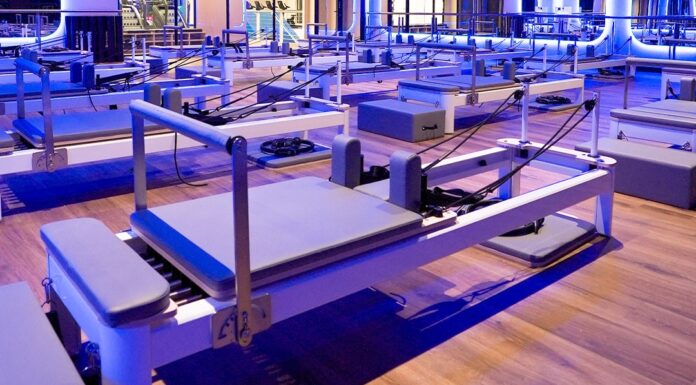
In the fitness space, reformer Pilates is one of the most misunderstood training methods, often dismissed as light or purely flexibility-focused, when in reality it is grounded in science-driven movement principles.
Effective training
With more people seeking sustainable and evidence-based ways to improve their health, experts say it’s time to rethink what effective training really looks like.
Jenna Rivera, head of marketing at Planet Fitness, says reformer Pilates continues to be underestimated despite its growing popularity.
One of the biggest misconceptions is that reformer Pilates is a gentle or easy workout. In truth, it demands strength, control and precision.
“If it feels easy, chances are you’re not doing it correctly,” Rivera explains. “The resistance created by the springs, combined with controlled movement, forces your muscles to work harder than you think, especially the smaller stabilising muscles.”
Muscle strengthening
Unlike traditional gym training, which often isolates muscles, reformer Pilates focuses on how the body works as a system. Movements are designed to strengthen muscles as they lengthen and contract under tension, building what experts call functional strength.
This translates into everyday benefits, from improved posture and balance to better coordination and injury prevention.
Despite perceptions that it’s only suited for women or highly flexible individuals, reformer Pilates is designed for all fitness levels.
“The beauty of it is its adaptability,” Rivera says. “The machine can be adjusted to suit beginners, athletes, or those recovering from injury. It meets you where you are.”
This accessibility is also why it is widely used in rehabilitation settings, helping people regain strength and mobility safely.
Train smarter, not harder
Another key advantage is that reformer Pilates places minimal stress on joints while still delivering a challenging workout. The machine supports the body, allowing for controlled movement without the strain often associated with high-impact exercise.
This makes it particularly appealing for those looking to train smarter, not harder. While many people turn to fitness for physical results, Rivera says the biggest transformations often go beyond appearance.
“People come in expecting to tone up, but what they gain is better movement, less pain, and improved overall function,” she says.
From enhanced core stability to improved balance and mobility, the benefits extend into everyday life, reinforcing the importance of training that supports long-term health.
As the conversation around wellness shifts towards science-backed solutions, reformer Pilates stands out as a method that prioritises quality movement over quick fixes.
- Reformer Pilates is often misunderstood as a light or flexibility-only workout, but it actually requires strength, control, and precision, engaging smaller stabilizing muscles through resistance and controlled movements.
- Unlike traditional gym training that isolates muscles, reformer Pilates focuses on functional strength by strengthening muscles as they lengthen and contract, improving posture, balance, coordination, and injury prevention.
- The method is adaptable for all fitness levels, from beginners to athletes and those recovering from injury, making it accessible and widely used in rehabilitation for safe strength and mobility recovery.
- Reformer Pilates delivers challenging workouts with minimal joint stress by supporting controlled movements, appealing to those who want to train smarter, not harder, and promoting long-term functional health benefits.
- Beyond improving appearance, reformer Pilates enhances core stability, movement quality, reduces pain, and supports overall physical function, aligning with the increasing demand for evidence-based and sustainable wellness practices.
As World
In the fitness space, reformer Pilates is one of the most misunderstood training methods, often dismissed as light or purely flexibility-focused, when in reality it is grounded in science-driven movement principles.
Jenna Rivera, head of marketing at Planet Fitness, says reformer Pilates continues to be underestimated despite its growing popularity.
One of the biggest misconceptions is that reformer Pilates is a gentle or easy workout. In truth, it demands strength, control and precision.
“If it feels easy, chances are you’re not doing it correctly,” Rivera explains. “
Unlike traditional gym training, which often isolates muscles, reformer Pilates focuses on how the body works as a system. Movements are designed to strengthen muscles as they lengthen and contract under tension, building what experts call functional strength.
Despite perceptions that it’s only suited for women or highly flexible individuals, reformer Pilates is designed for all fitness levels.
“
“People come in expecting to tone up, but what they gain is better movement, less pain, and improved overall function,” she says.
From enhanced core stability to improved balance and mobility, the benefits extend into everyday life, reinforcing the importance of training that supports long-term health.
As the conversation around wellness shifts towards science-backed solutions, reformer Pilates stands out as a method that prioritises quality movement over quick fixes.