


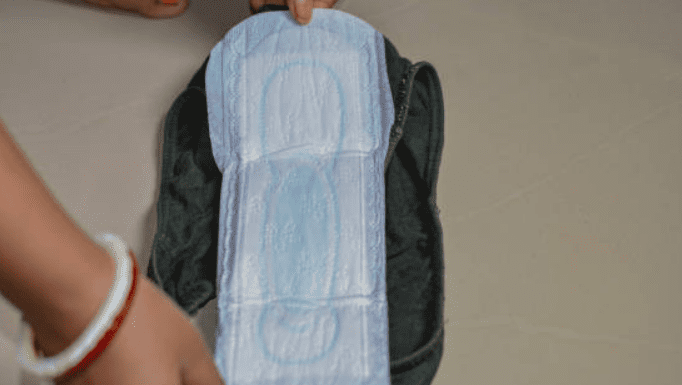
The South African Bureau of Standards (SABS) has amended the national standard for disposable sanitary towels, known as Sans 1043, following growing public concern sparked by research conducted by the University of the Free State (UFS).
The university’s study, published in the peer-reviewed journal Science of the Total Environment, detected endocrine-disrupting chemicals in certain sanitary pads and pantyliners used by millions of women and girls each month.
These include brands such as Kotex, Always, We-Flow, Stayfree and Lil-Lets.
Speaking to Sunday World, SABS media relations representative Nthabiseng Moloi said the amendments strengthen product marking requirements. These include clearer disclosure of fibre composition, as well as the declaration of substances, additives, treatments, and cautionary statements.
“This review is part of our ongoing effort to ensure that standards evolve in line with emerging scientific evidence,” Moloi said.
She said the amended Sans 1043 has been opened for public comment until March 24. The SABS has invited input from the UFS research team and is monitoring international standards under development by the International Organisation for Standardisation.
“Once published, we will consider aligning our national standards with the international framework,” Moloi said, emphasising that national standards are designed to evolve alongside advances in science and manufacturing.
Recently, UFS clarified that the multidisciplinary study, conducted by experts in
chemistry, microbiology and biochemistry did not involve human testing.
Researchers analysed sanitary pads and pantyliners and found that the products tested contained at least two types of endocrine-disrupting chemicals, including phthalates, bisphenols and parabens, regardless of marketing claims.
These substances are known to potentially interfere with the body’s hormonal systems.
However, the institution emphasised that the researchers did not conclude that short-term use of menstrual products causes disease, nor did they establish a direct causal link between the chemicals detected and specific health outcomes.
Instead, the study raised concerns about cumulative exposure over time, given repeated and prolonged use across a woman’s reproductive lifespan.
“The purpose of the study is not to create fear or panic, but to inform consumers, policymakers and health professionals through robust data,” the university said.
UFS further highlighted that the research does not constitute medical advice, does not call for products to be removed from the market, and found no evidence of unlawful conduct or regulatory non-compliance by manufacturers.
The study also identified knowledge gaps and called for further scientific and clinical investigation, highlighting the need for greater transparency in chemical composition and updated regulatory standards.
Meanwhile, the National Consumer Commission(NCC) has launched a formal investigation into several major sanitary pad and pantyliner suppliers. These include Kimberly-Clark of SA (Kotex), Procter & Gamble (Always), Anna Organics, The Lion Match Company trading as Comfitex, Here We Flo trading as Flo, Johnson & Johnson trading as Stay Free, Premier Group of Companies trading as Lil-lets and Essity Hygiene and Health trading as Libresse SA.
As part of the probe, the commission will require companies to conduct further testing on the affected products or submit recent laboratory results specifically assessing endocrine-disrupting chemicals. The findings will be reviewed to determine whether a product recall under Section 60 of the Consumer Protection Act is warranted.
Acting commissioner Hardin Ratshisusu said the matter has been prioritised due to its potential public health implications. “The findings raise serious concerns affecting women and girls that warrant an investigation, making this a priority investigation.”
He added that affected suppliers would be given an opportunity to respond to the concerns before the NCC makes a final determination.


