


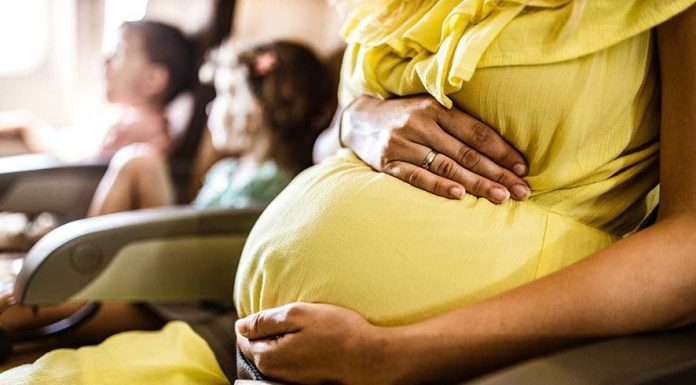
Pregnancy is often painted as one of life’s happiest chapters, but for many women the reality is far more complex.
Behind the baby showers and glowing bump photos, thousands of expectant mothers quietly battle depression, anxiety and overwhelming emotional distress.
As South Africa marks National Pregnancy Week from February 3 to 7, the South African Society of Psychiatrists (SASOP) is urging pregnant women to take their mental health seriously and warning against stopping psychiatric medication without professional medical advice.
According to SASOP, between 16% and 50% of women in South Africa experience depression or anxiety during pregnancy, with up to one in ten at high risk of suicide.
These conditions are not rare, nor are they signs of weakness, they are medical illnesses that can have devastating consequences if ignored.
“Mental illness during pregnancy is real, widespread and treatable,” says Dr Jessica Stanbridge, psychiatrist and SASOP member.
“Ignoring symptoms or stopping medication without guidance can place both mother and baby at risk.”
Risk of premature birth
Untreated perinatal mental illness doesn’t only affect a woman’s emotional wellbeing. It can disrupt how her body functions, her ability to care for herself, and her capacity to bond with her baby, with ripple effects that extend far beyond pregnancy.
Research shows that untreated depression and anxiety during pregnancy increase the risk of premature birth, low birth weight, poor infant development, difficulties with bonding, severe postnatal depression and relapse. In the most tragic cases, it can lead to self-harm, suicide, or harm to the baby.
“These outcomes are not inevitable,” Dr Stanbridge emphasises. “With the right support and treatment, they are largely preventable.”
The impact is not only personal but societal. In South Africa, the estimated lifetime cost of untreated maternal depression and anxiety is R42-billion, while early detection and treatment save lives and reduce long-term harm to families and communities.
One of the biggest fears pregnant women face is whether medication could harm their unborn child.
SASOP acknowledges these concerns but stresses that decisions should always be made with a healthcare professional.
“Current evidence shows that most antidepressants, including SSRIs [selective serotonin reuptake inhibitors], are generally safe during pregnancy when carefully prescribed and monitored,” says Dr Stanbridge.
“The risks of medication must always be weighed against the very real dangers of untreated depression and anxiety.”
For women experiencing moderate to severe symptoms, medication is often essential alongside counselling, emotional support and practical care.
Severe symptoms must not be ignored
Treatment helps women remain emotionally stable, function day to day, and protect both their own wellbeing and that of their baby.
“For women with serious mental illness, staying on treatment can reduce the risk of postnatal relapse by up to two-thirds,” Dr Stanbridge explains.
While mood swings can be part of pregnancy, persistent or severe symptoms should never be ignored. Women are encouraged to seek professional help if they experience ongoing sadness or hopelessness, constant anxiety or panic attacks, extreme fatigue, sleep or appetite changes, difficulty coping, or thoughts of harming themselves or their baby.
“Medication is not a failure,” says Dr Stanbridge. “It is often one of the tools that allows a mother to stay well and keep her baby safe.”
Women who are emotionally distressed or who have stopped taking psychiatric medication during pregnancy are urged to contact their doctor, midwife or mental health professional as soon as possible.
Early support, whether through therapy, social support or medication, can be life-saving.
- Pregnancy is often painted as one of life’s happiest chapters, but for many women the reality is far more complex.
- Behind the baby showers and glowing bump photos, thousands of expectant mothers quietly battle depression, anxiety and overwhelming emotional distress.
- As South Africa marks National Pregnancy Week from February 3 to 7, the South African Society of Psychiatrists (SASOP) is urging pregnant women to take their mental health seriously and warning against stopping psychiatric medication without professional medical advice.
- According to SASOP, between 16% and 50% of women in South Africa experience depression or anxiety during pregnancy, with up to one in ten at high risk of suicide.
- These conditions are not rare, nor are they signs of weakness, they are medical illnesses that can have devastating consequences if ignored.


