


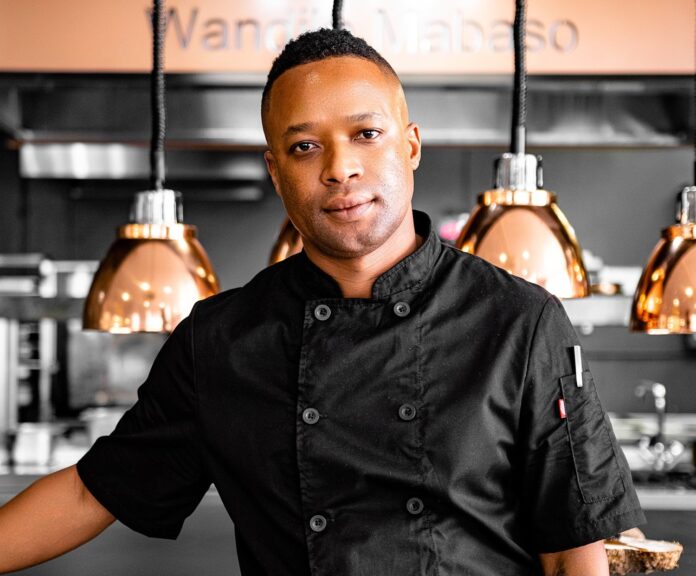
Growing up in Soweto, Wandile Mabaso learnt to cook out of necessity. By the age of 10, raised by a single mother, he had already found himself in the kitchen preparing meals.
What began as a childhood responsibility would eventually become a lifelong fascination with food, flavour and the science behind cooking. By 17, Mabaso had fallen in love with the transformation of ingredients and was pursuing cooking professionally.
Today, he is the owner and executive chef of Les Créatifs in Rosebank, Johannesburg, where he continues to explore the relationship between food, culture, identity and creativity.
His latest culinary exploration takes him beyond conventional food pairings and into the world of rare spirits, as he partners with Diageo for its 2025 Special Releases collection.
ALSO READ: Wandile Mabaso culinary journey reaches sizzling heights
The collaboration brings together four distinctive single malt Scotch whiskies, The Singleton 17YO Into the Blue, Talisker 14YO Molten Seas, Lagavulin 12YO Grain & Embers and Oban 12YO Heart of the Harbour, challenging traditional ideas about how whisky can be experienced alongside food.
For Mabaso, the exercise is about more than finding something delicious to accompany a glass of whisky. It is an opportunity to explore the complexity of flavour while demonstrating how contemporary African gastronomy can participate in global culinary conversations.
His starting point is simple: understand the whisky before creating the dish.
“I believe you need to understand what is in the glass before deciding what belongs on the plate,” he says.
He considers the spirit’s aroma, texture, sweetness, spice, smoke and finish before identifying ingredients and cooking techniques that can either complement or contrast with its characteristics.
He also believes in respecting the craftsmanship behind whisky production, pointing to the years of work involved in developing a particular expression.
Each whisky presents a different culinary challenge
The Singleton 17YO Into the Blue, with its rich fruit, aromatic spice and savoury character, offers opportunities to work with natural sweetness and depth.
Talisker 14YO Molten Seas, meanwhile, brings maritime influences, sweet smoke, saltiness and peppery spice, inviting pairings that draw on coastal ingredients and smoky flavours.
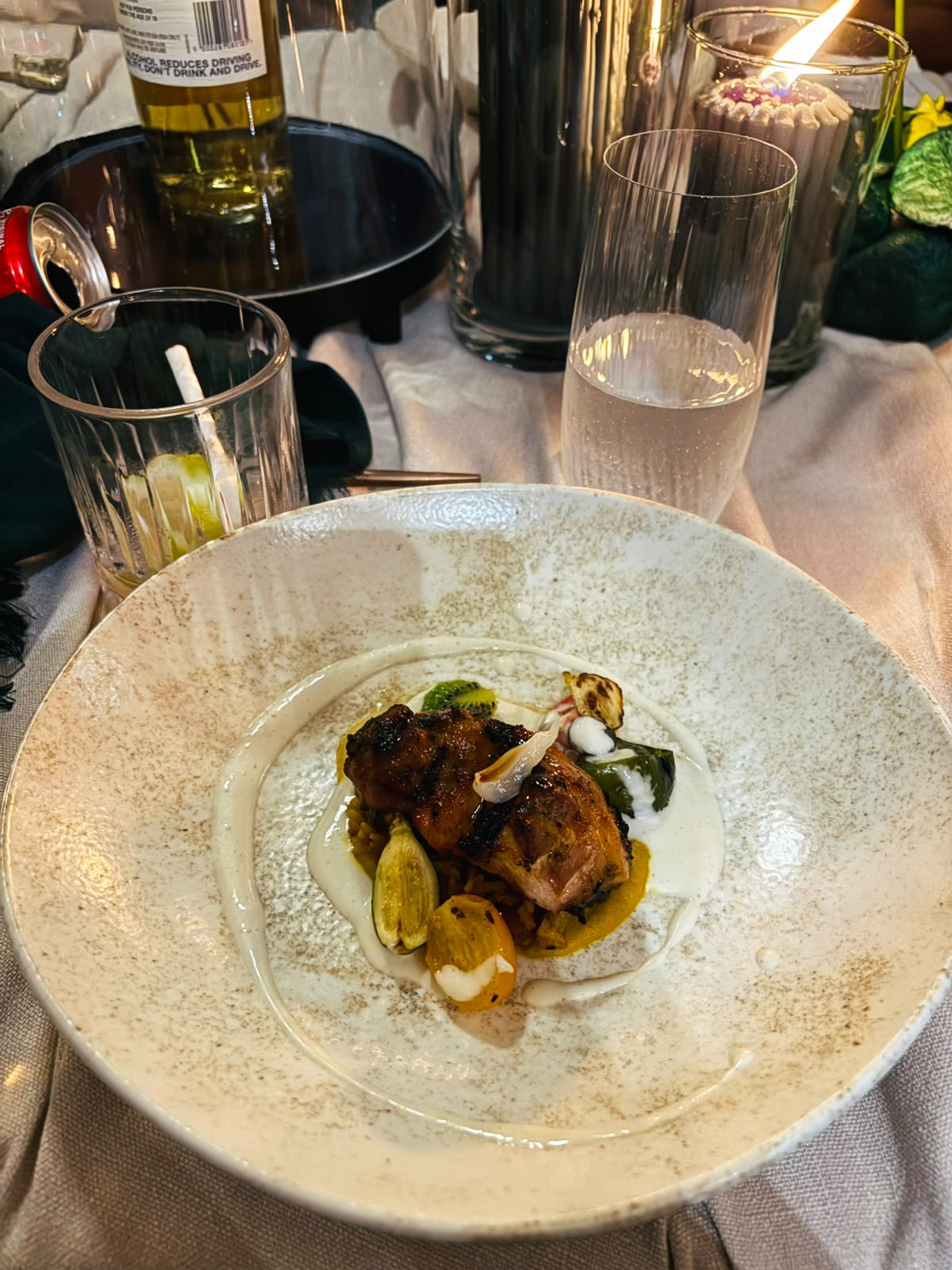
Oban 12YO Heart of the Harbour offers a more delicate direction, with honeyed sweetness, citrus, peaches and warm spice providing room for freshness and balance.
But translating tasting notes into a dish is not necessarily about recreating the flavours found in the glass.
ALSO READ: Evening of elegance for polo and whisky enthusiasts
Mabaso approaches them as inspiration rather than a strict recipe, believing that contrast can sometimes produce the most interesting results.
“Sometimes the most interesting result comes from contrast. Sweetness can be balanced with acidity, smoke with freshness, and spice with something creamy,” he explains.
Room for spontaneity
“I always complete the dish up to 70%. I leave the 30% for magic,” he says.
That instinct for experimentation is balanced by a strong understanding of restraint. With spirits that carry particularly bold characteristics, the food must not compete for attention.
Instead, Mabaso considers elements such as texture, temperature and acidity to ensure that the whisky retains its identity while the food enhances the overall experience.
Unlike single malt Scotch whisky, tequila brings the distinctive character of agave alongside oak influence and richer notes. Its profile of toasted oak, caramel, dark chocolate, vanilla, raisins and tropical fruit calls for a different culinary approach.
For Mabaso, the important thing is not to apply the same pairing formula to every spirit but to understand what makes each one distinctive.
Home influence
His approach to contemporary gastronomy is also informed by where he comes from.
Growing up in Soweto gave him an appreciation for the stories, history and cultural significance embedded in South African food. He believes that traditional cuisine provides an important foundation for chefs, even as they experiment with international influences and modern techniques.
“Great food does not necessarily have to be complicated, it starts with understanding your ingredients and knowing how to bring out their best qualities.”
He believes African gastronomy has an opportunity to occupy a more prominent position in international culinary conversations without losing the cultural identity that makes it distinctive.
That philosophy is reflected in his work at Les Créatifs, where creativity, craftsmanship and storytelling inform the dining experience.
For aspiring chefs, his advice is to prioritise mastering the craft over chasing recognition. He encourages young South Africans to remain curious, disciplined and willing to learn from experienced chefs, while exposing themselves to different cuisines and cooking techniques.
He also believes they should recognise the value of their own culinary heritage. South Africa’s food culture, he argues, offers young chefs an opportunity to tell their stories and introduce the country’s flavours to international audiences.
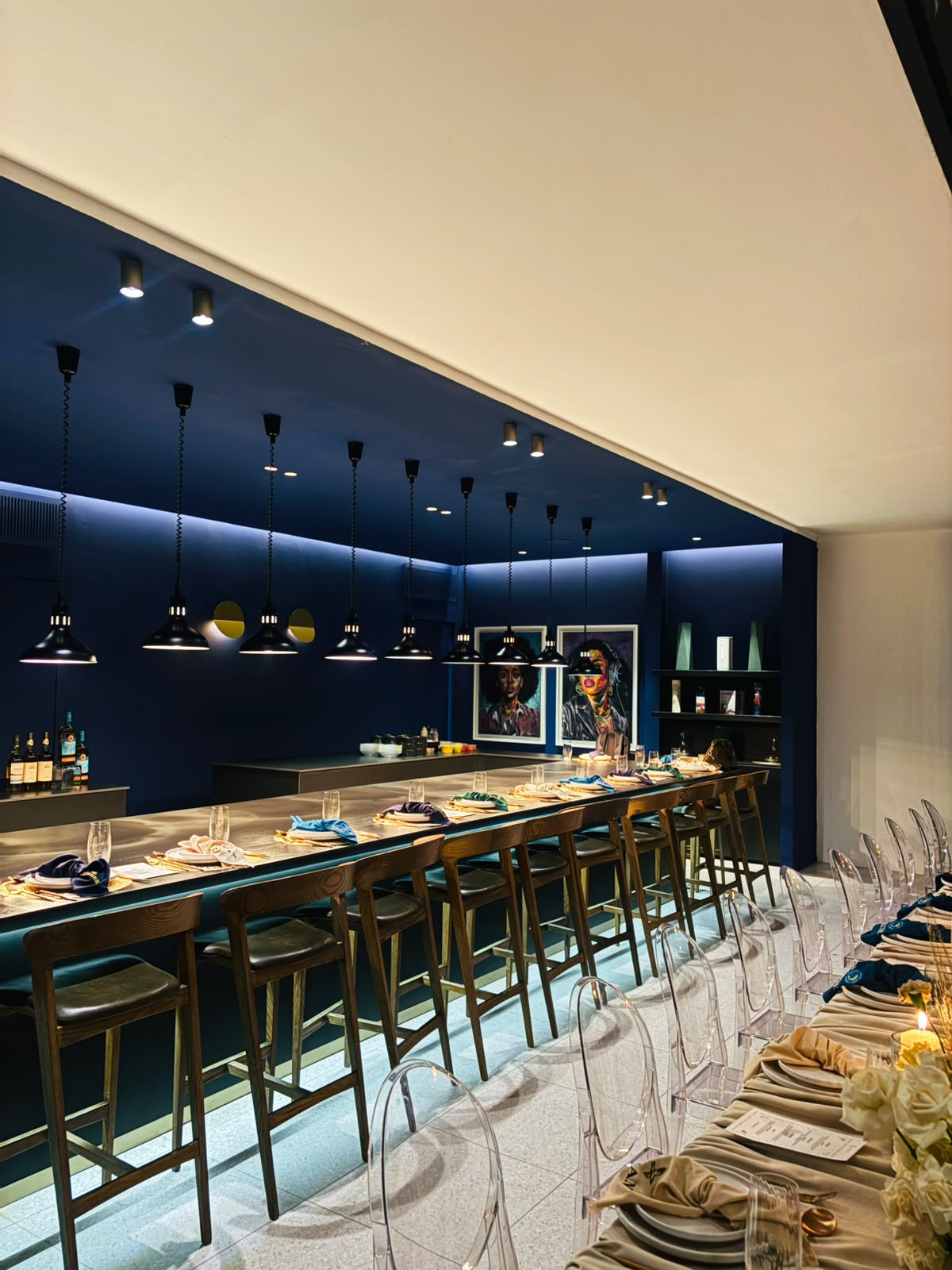
Ultimately, the Diageo dining experience is intended to encourage guests to reconsider what is possible when exceptional spirits meet carefully constructed dishes. Mabaso hopes diners leave with a greater appreciation of the relationship between food and whisky, as well as the creativity involved in bringing the two together.
- Growing up in Soweto, Wandile Mabaso learnt to cook out of necessity.
- By the age of 10, raised by a single mother, he had already found himself in the kitchen preparing meals.
- What began as a childhood responsibility would eventually become a lifelong fascination with food, flavour and the science behind cooking.
- By 17, Mabaso had fallen in love with the transformation of ingredients and was pursuing cooking professionally.
- Today, he is the owner and executive chef of Les Créatifs in Rosebank, Johannesburg, where he continues to explore the relationship between food, culture, identity and creativity.


