


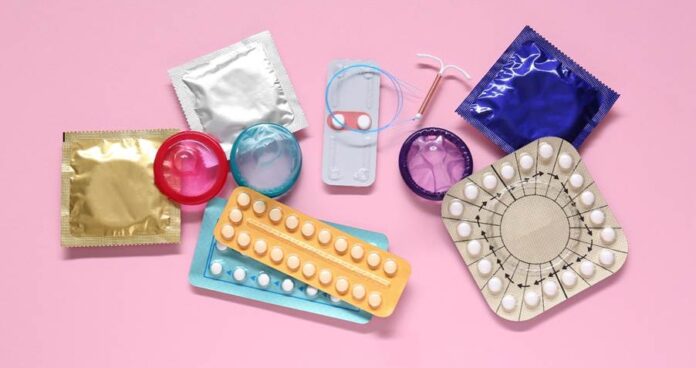
South Africa has made meaningful progress in expanding access to contraception, with an estimated 9-million women using modern methods.
But beneath that progress lies a quieter reality: most women are still relying on short-term solutions like pills, injectables and condoms, not necessarily because they want to, but because those are the most accessible.
Long-acting reversible contraceptives (LARCs), such as intrauterine devices (IUDs), remain significantly underused, accounting for less than 2% of contraceptive use in the country. This is despite their reputation globally as one of the most effective and convenient options available.
Cost a major barrier
According to Ingrid Singels, associate director for Pharma Dynamics’ scientific division, cost has long been a major barrier. While IUDs are more affordable over time, the upfront price has kept them out of reach for many.
“There are also challenges around availability in public healthcare facilities, limited provider training, and persistent myths that continue to shape how women perceive IUDs,” she explains.
This month, Pharma Dynamics introduced South Africa’s first generic hormone-releasing IUD, a move that could significantly lower costs and expand access across both public and private healthcare sectors. By offering a clinically equivalent option at a reduced price, the door opens for more women to consider long-term contraception as a realistic choice.
Hormone-releasing IUDs do more than prevent pregnancy. They work by thickening cervical mucus, limiting sperm movement and thinning the uterine lining, but their benefits extend beyond contraception.
For women dealing with heavy menstrual bleeding, a condition that affects up to one in three at some point, the 52mg levonorgestrel IUD can be life-changing. Studies show it can reduce menstrual blood loss by more than 80% within a year, with some women experiencing little to no bleeding over time.
Confidence, productivity and overall wellbeing
That kind of relief isn’t just physical, it impacts confidence, productivity and overall wellbeing.
With effectiveness rates of around 99%, hormone-releasing IUDs are comparable to permanent sterilisation, without the permanence. And for women thinking about future family plans, there’s reassurance: fertility typically returns quickly after removal, with more than 85% of women able to conceive within a year.
It’s a level of reliability that doesn’t require daily reminders or regular clinic visits, something many women juggling work, family and personal responsibilities are increasingly prioritising.
Still, IUDs aren’t for everyone. Some women may experience side effects like cramping or irregular bleeding, particularly in the early months after insertion. Others may be put off by the need for a trained healthcare provider to insert and remove the device.
And while the introduction of a lower-cost option is a step forward, affordability remains a factor that many will still need to weigh.
South Africa continues to face high rates of unplanned pregnancy, estimated at around 64%. For health experts, expanding access to long-acting contraception isn’t about pushing one method, it’s about giving women real, practical choices.
At the end of the day, contraception isn’t just a health decision. It’s a lifestyle one. It’s about control, convenience, and confidence, and for many women, the shift toward longer-term solutions may finally be within reach.
- South Africa has expanded access to contraception with 9 million women using modern methods, but most rely on short-term options like pills, injectables, and condoms due to accessibility issues.
- Long-acting reversible contraceptives (LARCs), especially IUDs, are underused, representing less than 2% of contraceptive use, hindered by cost, limited availability, training gaps, and persistent myths.
- Pharma Dynamics launched South Africa’s first generic hormone-releasing IUD, aiming to reduce costs and improve access across public and private healthcare sectors.
- Hormone-releasing IUDs offer benefits beyond contraception, including significant reduction in heavy menstrual bleeding, improving women's confidence, productivity, and well-being, with about 99% effectiveness and rapid fertility return after removal.
- Despite these advances, challenges remain such as side effects, need for trained providers, and affordability considerations, while South Africa continues to face a high unplanned pregnancy rate of 64%; expanding LARCs aims to provide women with more practical contraceptive choices.


