South Africa’s tourism sector is entering a new era, shaped not by ticking off bucket-list attractions but by a growing desire for deeper, more meaningful travel experiences.
Between January and October 2025, the country welcomed more than 8.56-million international visitors, a significant increase of 1.3-million compared with the same period in 2024.
October alone recorded a remarkable 32% year-on-year surge, reflecting sustained global interest in South Africa as a destination of choice.
But behind the numbers lies a more telling shift: travellers are no longer rushing through destinations.
According to the November 2025 tourism report, travellers are staying longer, seeking connection, authenticity, and purpose in the places they visit.
Definition of luxury is changing
This evolving mindset is particularly evident among visitors from Europe and North America, where arrivals have risen by 29% and 22%, respectively.
These travellers are trading fast-paced itineraries for slower, more immersive journeys that allow them to engage meaningfully with local cultures, landscapes, and communities.
According to industry leaders, the definition of luxury is also changing.
“Luxury is no longer about opulence,” says Nick Dickson, CEO of Dream Hotels & Resorts. “It’s about authenticity, immersion, and leaving a destination feeling transformed.”
This shift is opening up new opportunities for regions beyond traditional tourism hotspots.
Areas like the North West, particularly the Greater Pilanesberg region, are gaining traction as travellers seek out quieter, nature-rich escapes.
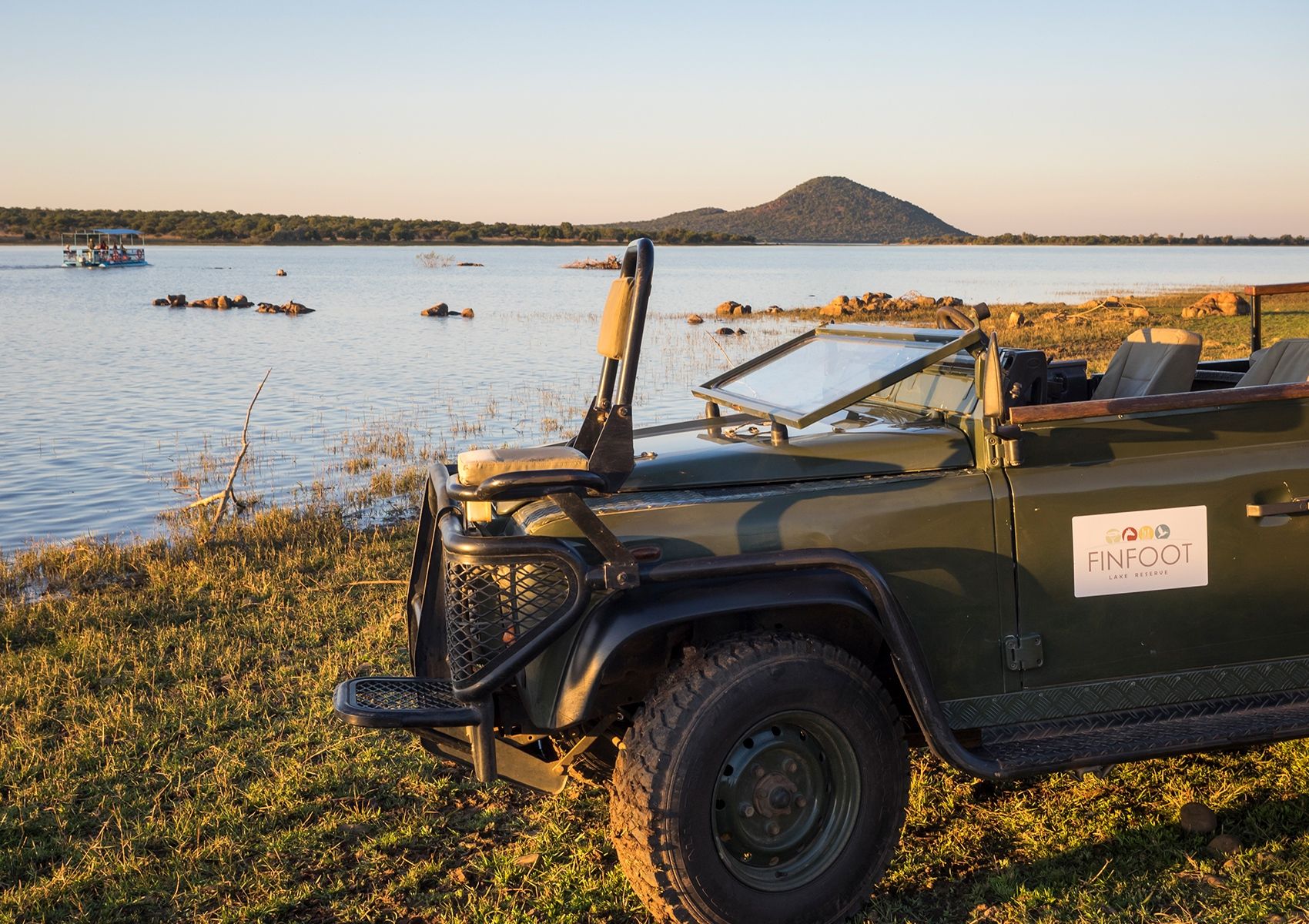
Properties such as Finfoot Lake Reserve are emerging as prime examples of this trend. Here, the focus is less on structured itineraries and more on organic, experience-led travel.
Visitors are encouraged to slow down through activities like guided bush walks, cycling, canoeing, and birdwatching, all designed to foster a deeper connection with the natural environment.
The rise of “quiet-cations”, which are holidays centred on rest, disconnection, and intentional living, is also reshaping travel preferences.
In an increasingly digital world, many travellers are actively seeking spaces where they can unplug and recharge.
Nature-based wellness experiences are playing a central role in this movement. Practices such as “nature bathing”, inspired by the Japanese concept of shinrin-yoku, are gaining popularity as travellers prioritise mental clarity and emotional well-being.
In this context, a successful holiday is no longer measured by how much one does but by how restored one feels.
Travellers are more informed
At the same time, sustainability has become a non-negotiable expectation rather than a marketing buzzword.
Today’s traveller is more informed and discerning, often choosing destinations where their spending directly contributes to conservation efforts and local community development.
This includes supporting establishments that prioritise local sourcing, energy efficiency, and responsible tourism practices.
The emphasis is on ensuring that travel leaves a positive impact both environmentally and socially.
Ultimately, South Africa’s appeal lies in its ability to offer more than just scenic beauty. It offers stories, connections, and a sense of place that resonates with travellers looking for something deeper.
- South Africa’s tourism saw strong growth in early 2025, with 8.56 million international visitors between January and October, including a 32% surge in October alone.
- Travellers increasingly seek longer, immersive experiences focused on authenticity, connection, and meaningful cultural engagement rather than rapid sightseeing.
- The concept of luxury is evolving from opulence to authentic, transformative experiences, especially among visitors from Europe and North America.
- Emerging destinations like the Greater Pilanesberg region and nature-rich escapes such as Finfoot Lake Reserve are gaining popularity for slower, experience-led travel and wellness.
- Sustainability and responsible tourism are priorities for informed travellers, who support eco-friendly practices and community development to ensure positive environmental and social impacts.
Between January and October 2025, the country welcomed more than 8.56-million international visitors, a significant increase of 1.3-million compared with the same period in 2024.
October alone recorded a remarkable 32% year-on-year surge, reflecting sustained global interest in
But behind the numbers lies a more telling shift: travellers are no longer rushing through destinations.
“Luxury is no longer about opulence,” says Nick Dickson, CEO of Dream Hotels & Resorts. “It’s about authenticity, immersion, and leaving a destination feeling transformed.”
Areas like the
Properties such as Finfoot Lake Reserve are emerging as prime examples of this trend. Here, the focus is less on structured itineraries and more on organic, experience-led travel.
Visitors are encouraged to slow down through activities like guided bush walks, cycling, canoeing, and birdwatching, all designed to foster a deeper connection with the natural environment.
In an increasingly digital world, many travellers are actively seeking spaces where they can unplug and recharge.
Nature-based wellness experiences are playing a central role in this movement. Practices such as "nature bathing", inspired by the Japanese concept of shinrin-yoku, are gaining popularity as travellers prioritise mental clarity and emotional well-being.
In this context, a successful holiday is no longer measured by how much one does but by how restored one feels.
At the same time, sustainability has become a non-negotiable expectation rather than a marketing buzzword.
Today’s traveller is more informed and discerning, often choosing destinations where their spending directly contributes to conservation efforts and local community development.
Ultimately,