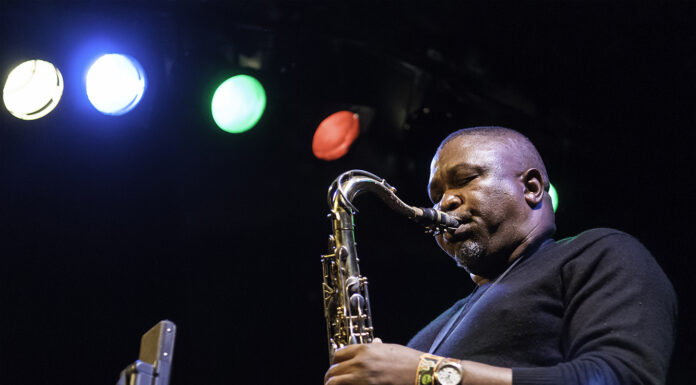
The name Zim Ngqawana is synonymous with South Africa’s rich post-apartheid jazz identity and cultural tapestry. Although the late musical maestro’s works continue to nourish South Africa’s music scene, his family believes that far more needs to be done to preserve his musical trove for future generations.
“Since my father passed away in May 2011, we have been making every effort to host tribute concerts in his honour.
“As the chairperson, I have struggled to do the launch. Since the foundation’s inception, we have not received any form of assistance,” Lucky Ngqawana, his son and the chairperson of the Zim Ngqawana Foundation, told Sunday World.
The younger Ngqawana believes that the broader preservation of his father’s work is lacking, even though the saxophonist’s influence still resonates.
“I don’t feel there is enough work being done to preserve his legacy,” he said.
According to the younger Ngqawana, preservation must go beyond symbolic gestures. He proposes tangible initiatives, such as exhibitions, memorial lectures, and annual concerts, particularly in May or December, to keep music alive.
Zim Ngqawana, who was born and raised in New Brighton township, in what is now known as Gqeberha, infused Xhosa traditional music into his repertoire of Western art music and jazz.
Influenced by the sounds of South African jazz royalty, such as Winston Mankunku, Kippie Moeketsi and Ntemi Piliso, he used his formal musical training to further expose South Africa’s colourful musical heritage to the world. As part of the band Ingoma, he was able to tour the world and share stages with musical geniuses such as Hugh Masekela, Abdullah Ibrahim and many others.
On the bright side, there are signs that younger musicians are engaging with Ngqawana’s works. Artists such as Kyle Shepherd and Ayanda Sikade are among those who have paid tribute through their compositions, while others have approached the family to better understand his music.
From Zimphonic Suites to Zimology, Ngqawana’s rich musical repository provides the foundation for future sounds.
“Most of the younger generation have approached me wanting to know about my father’s music, and some have even written songs in his remembrance,” said Ngqawana.
Still, without formal backing from government or cultural institutions, the responsibility of preserving one of South Africa’s most important jazz legacies continues to rest heavily on the shoulders of his family and a committed circle of artists.
The Mandela Bay Theatre Complex facilitated Zuma’s travel to Gqeberha.
- Zim Ngqawana is a celebrated South African jazz icon whose family feels his musical legacy is insufficiently preserved despite his lasting influence.
- Since his death in 2011, the Zim Ngqawana Foundation has struggled to gain support or funding for tribute events and formal preservation efforts.
- His son, Lucky Ngqawana, advocates for concrete initiatives like exhibitions, memorial lectures, and annual concerts to sustain and honor his father’s work.
- Ngqawana’s music, blending Xhosa traditional music with jazz and Western art music, inspired a new generation of musicians who continue to engage with and honor his legacy.
- Without government or institutional support, the preservation of Zim Ngqawana’s jazz heritage largely depends on his family and a dedicated network of artists.