


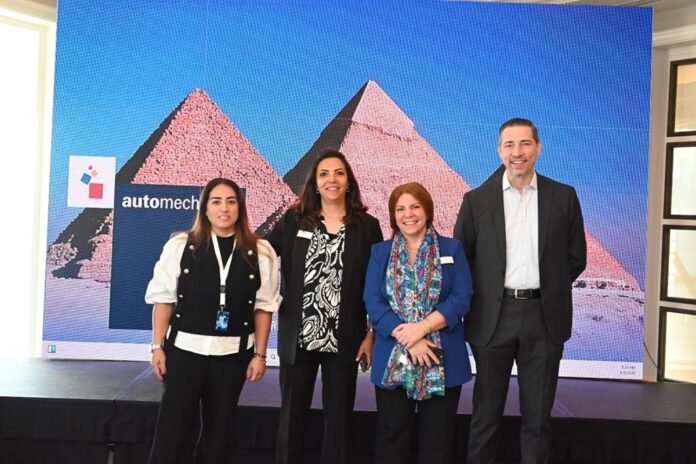
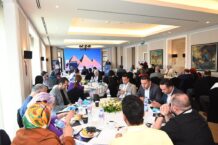
Automechanika Johannesburg 2026 has expanded its African footprint after hosting a strategic automotive industry roadshow in Cairo aimed at strengthening ties between Egypt and Sub-Saharan Africa.
The event, held at the Kempinski Nile Hotel on May 6, formed part of the 2026 promotional programme for both Automechanika Johannesburg 2026 and Automechanika Frankfurt.
The Cairo gathering brought together senior representatives from Messe Frankfurt, the Engineering Export Council, Frost & Sullivan, automotive stakeholders and regional business media.
The roadshow highlighted Egypt’s growing importance in African automotive trade and reinforced calls for stronger integration between North Africa and the rest of the continent.
‘Africa’s market-formation problem’
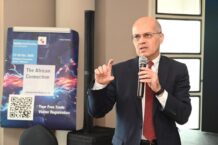
Dr Ahmed Fikry A Wahab, who also serves as vice-president of the African Association of Automotive Manufacturers (AAAM), said Africa’s automotive future would depend on deeper industrial integration and regional value chains.
“Africa does not have a demand problem. Africa has a market-formation problem,” said Dr Fikry.
He stressed that Africa’s vehicle manufacturing ambitions would require stronger supplier networks, improved implementation and better cross-border collaboration.
“The automotive industry is an ecosystem. OEMs need Tier 1 suppliers. Tier 1 suppliers need Tier 2 and Tier 3 suppliers,” he explained.
Importance of African value chain
Dr Fikry also highlighted the importance of the African Continental Free Trade Area (AfCFTA) automotive Rules of Origin, saying they could help create a fully integrated African automotive manufacturing base.
“We can build an African vehicle through an African value chain,” he added.
Industry analysts say Egypt is increasingly positioning itself as a strategic automotive manufacturing and export hub due to its location between Africa, Europe and the Middle East.
‘Market ready for deeper engagement across Africa’
Aadil Rashid Khan, associate director, Advisory Mobility Group, Middle East, Africa and South Asia at Frost & Sullivan, said Egypt’s automotive aftermarket was benefiting from rising repair demand and an ageing vehicle parc.
He added that opportunities were emerging in component exports, electric vehicle assembly, aftermarket investment and stronger trade ties with Southern Africa under AfCFTA.
Michael Dehn, managing director of Messe Frankfurt South Africa, said the Cairo event confirmed growing appetite for deeper African automotive collaboration.
“This first roadshow in Egypt gave us a clear signal that the market is ready for deeper engagement across Africa,” said Dehn.
Automechanika Johannesburg 2026 will take place from 27 to 29 October at Gallagher Convention Centre in Midrand.
- Automechanika Johannesburg 2026 expanded its African reach by hosting a strategic automotive industry roadshow in Cairo to boost ties between Egypt and Sub-Saharan Africa.
- The event emphasized Egypt's growing role in African automotive trade and the need for stronger integration between North Africa and the rest of the continent.
- Dr. Ahmed Fikry A Wahab highlighted Africa's market-formation problem, stressing the importance of deeper industrial integration and regional supplier networks for the automotive sector.
- The African Continental Free Trade Area (AfCFTA) Rules of Origin were noted as key to establishing a fully integrated African automotive manufacturing base.
- Industry leaders acknowledged Egypt's rising status as a strategic automotive hub, with growing opportunities in component exports, EV assembly, aftermarket growth, and stronger continental trade collaboration.


