


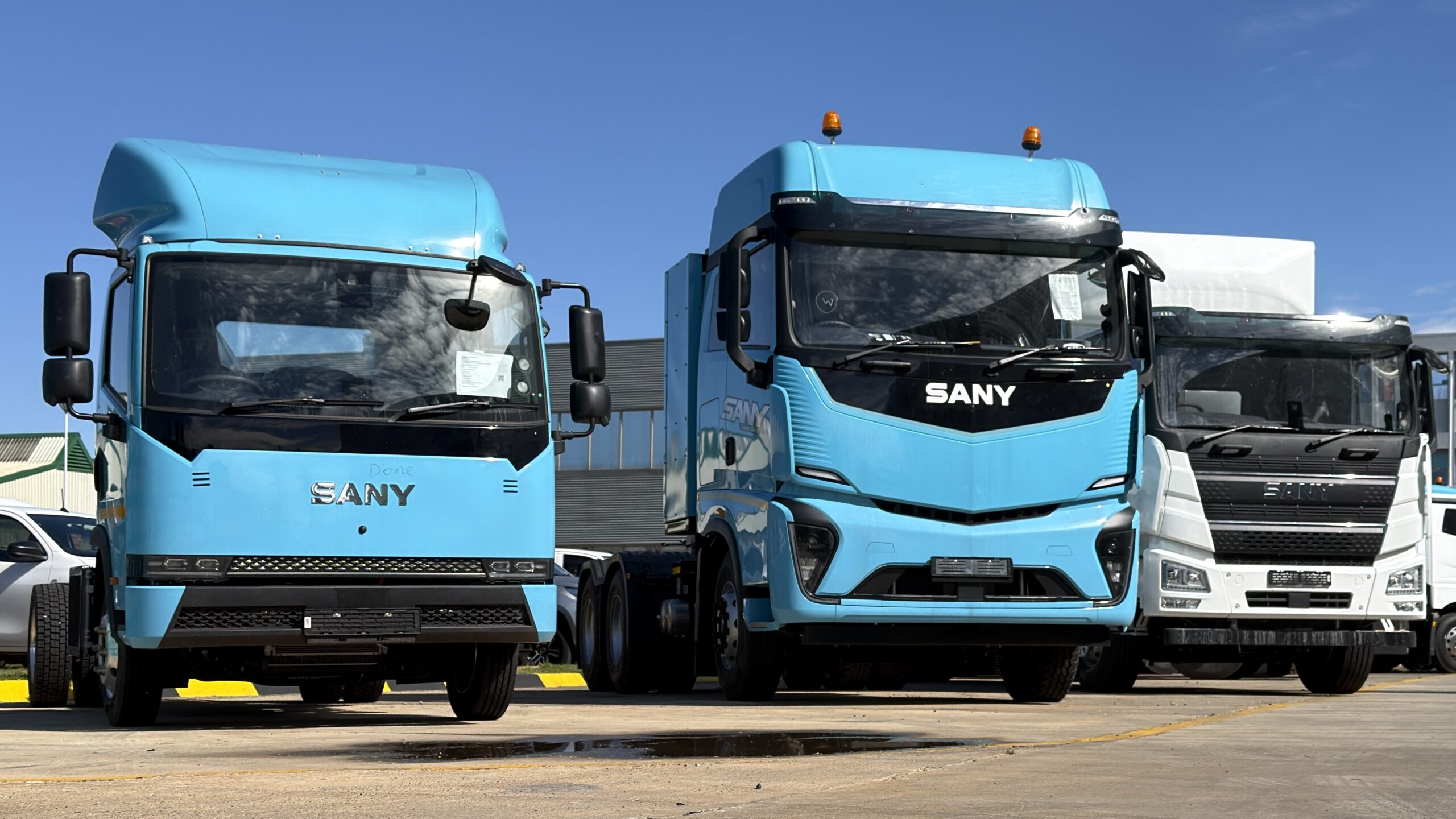
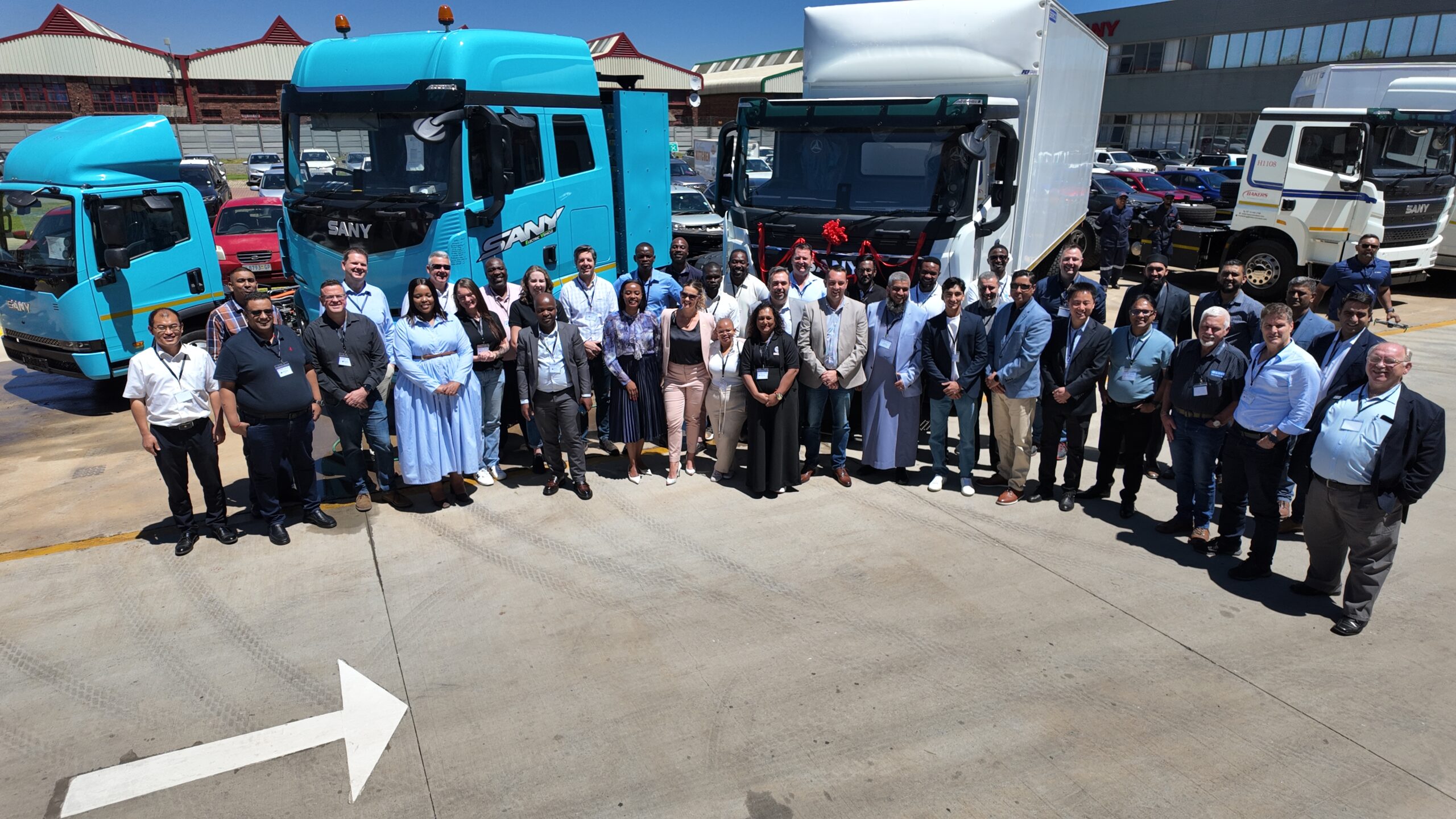
South Africa’s transition towards cleaner commercial transport has received a boost after Bakers Transport took delivery of 14 battery-electric trucks, signalling growing interest in alternative-energy vehicles within the country’s logistics industry. The fleet, comprising ten SANY electric truck tractors and four rigid freight carriers, was handed over at the Chinese manufacturer’s facility in Boksburg, Gauteng.
The vehicles were financed through WesBank Fleet Management and Leasing as part of Bakers Transport’s efforts to explore electric mobility across different freight operations. While electric passenger vehicles have attracted considerable attention in South Africa, the electrification of heavy commercial vehicles presents different challenges, including higher acquisition costs, charging infrastructure requirements and operational range limitations.
Evaluating the business case
For logistics operators, vehicle payload capacity, route suitability and total cost of ownership remain critical considerations when deciding whether to replace conventional diesel-powered trucks. Bakers Transport CEO Abdool Tayob said the introduction of electric trucks would allow the company to evaluate their performance under different operating conditions.
“Adding electric vehicles to our fleet is an exciting decision for us. These 14 vehicles will show us how electric trucks perform across different transport requirements and the financing structure gave us the confidence to proceed,” Tayob said.
He added that WesBank had developed a financing solution suited to the company’s operational requirements. The acquisition also highlights the growing role of financial institutions in supporting businesses considering the transition to electric commercial vehicles.
Financing the transition
WesBank Corporate and Commercial CEO Andisiwe Nikelo said understanding the financial implications of electric trucks remained essential for fleet operators.
“Businesses considering electric trucks want to understand how the numbers work over the life of the vehicle and how it fits the routes they run,” Nikelo said.
“Our role is to bring that clarity and to structure leasing that reflects each operator’s circumstances.”
Infrastructure and operational challenges
Unlike conventional diesel trucks, electric commercial vehicles require access to reliable charging infrastructure, making route planning and vehicle utilisation particularly important. Although battery-electric trucks produce no tailpipe emissions, their overall environmental benefits depend partly on the electricity used for charging.
The companies did not disclose the value of the transaction, the trucks’ battery capacities, operating ranges or the charging infrastructure supporting the fleet. These details will be important in assessing the commercial viability of the vehicles against established diesel alternatives.
Testing the future of freight
The deployment nevertheless provides another opportunity to evaluate whether electric heavy-duty trucks can meet the operational and financial demands of South Africa’s freight transport industry.
- Bakers Transport has received 14 battery-electric trucks, including ten SANY electric truck tractors and four rigid freight carriers, to boost South Africa's cleaner commercial transport efforts.
- The vehicles were financed through WesBank Fleet Management and Leasing to help Bakers Transport explore electric mobility across various freight operations.
- Challenges in electrifying heavy commercial vehicles include higher acquisition costs, the need for charging infrastructure, and operational range limitations.
- Bakers Transport CEO Abdool Tayob stated the electric trucks will be evaluated for performance under different operating conditions.
- WesBank Corporate and Commercial CEO Andisiwe Nikelo emphasized the importance of understanding financial implications and structuring leasing to fit each operator's route and circumstances.
South Africa’s transition towards cleaner commercial transport has received a boost after Bakers Transport took delivery of 14 battery-electric trucks, signalling growing interest in alternative-energy vehicles within the country’s logistics industry. The fleet, comprising ten SANY electric truck tractors and four rigid freight carriers, was handed over at the Chinese manufacturer’s facility in Boksburg, Gauteng.
The vehicles were financed through WesBank Fleet Management and Leasing as part of Bakers Transport’s efforts to explore electric mobility across different freight operations. While electric passenger vehicles have attracted considerable attention in South Africa, the electrification of heavy commercial vehicles presents different challenges, including higher acquisition costs, charging infrastructure requirements and operational range limitations.
For logistics operators, vehicle payload capacity, route suitability and total cost of ownership remain critical considerations when deciding whether to replace conventional diesel-powered trucks. Bakers Transport CEO Abdool Tayob said the introduction of electric trucks would allow the company to evaluate their performance under different operating conditions.
“Adding electric vehicles to our fleet is an exciting decision for us. These 14 vehicles will show us how electric trucks perform across different transport requirements and the financing structure gave us the confidence to proceed,” Tayob said.
He added that WesBank had developed a financing solution suited to the company’s operational requirements. The acquisition also highlights the growing role of financial institutions in supporting businesses considering the transition to electric commercial vehicles.
WesBank Corporate and Commercial CEO Andisiwe Nikelo said understanding the financial implications of electric trucks remained essential for fleet operators.
“Businesses considering electric trucks want to understand how the numbers work over the life of the vehicle and how it fits the routes they run,” Nikelo said.
“Our role is to bring that clarity and to structure leasing that reflects each operator’s circumstances.”
Unlike conventional diesel trucks, electric commercial vehicles require access to reliable charging infrastructure, making route planning and vehicle utilisation particularly important. Although battery-electric trucks produce no tailpipe emissions, their overall environmental benefits depend partly on the electricity used for charging.
The companies did not disclose the value of the transaction, the trucks’ battery capacities, operating ranges or the charging infrastructure supporting the fleet. These details will be important in assessing the commercial viability of the vehicles against established diesel alternatives.
The deployment nevertheless provides another opportunity to evaluate whether electric heavy-duty trucks can meet the operational and financial demands of South Africa’s freight transport industry.


