


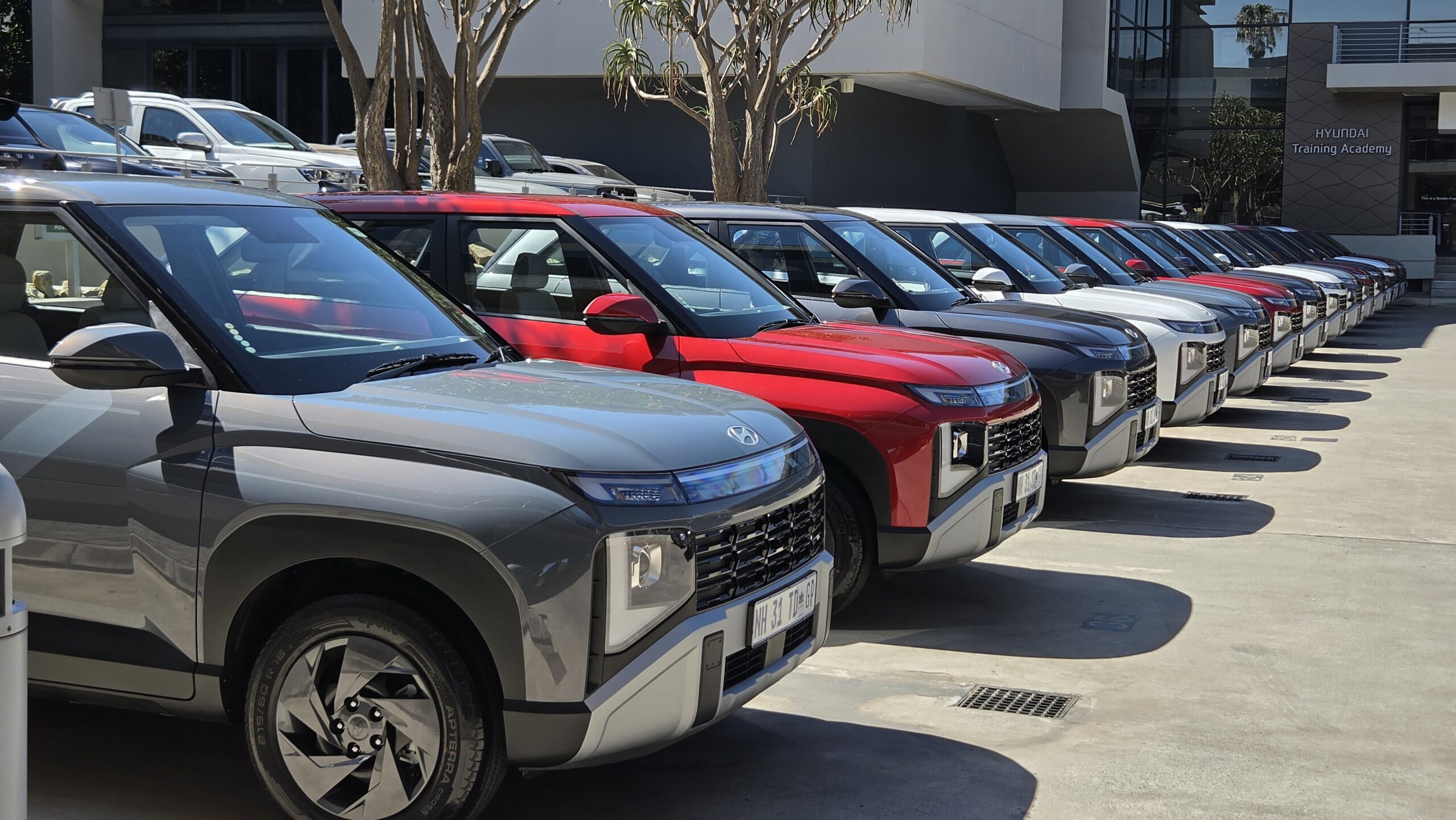
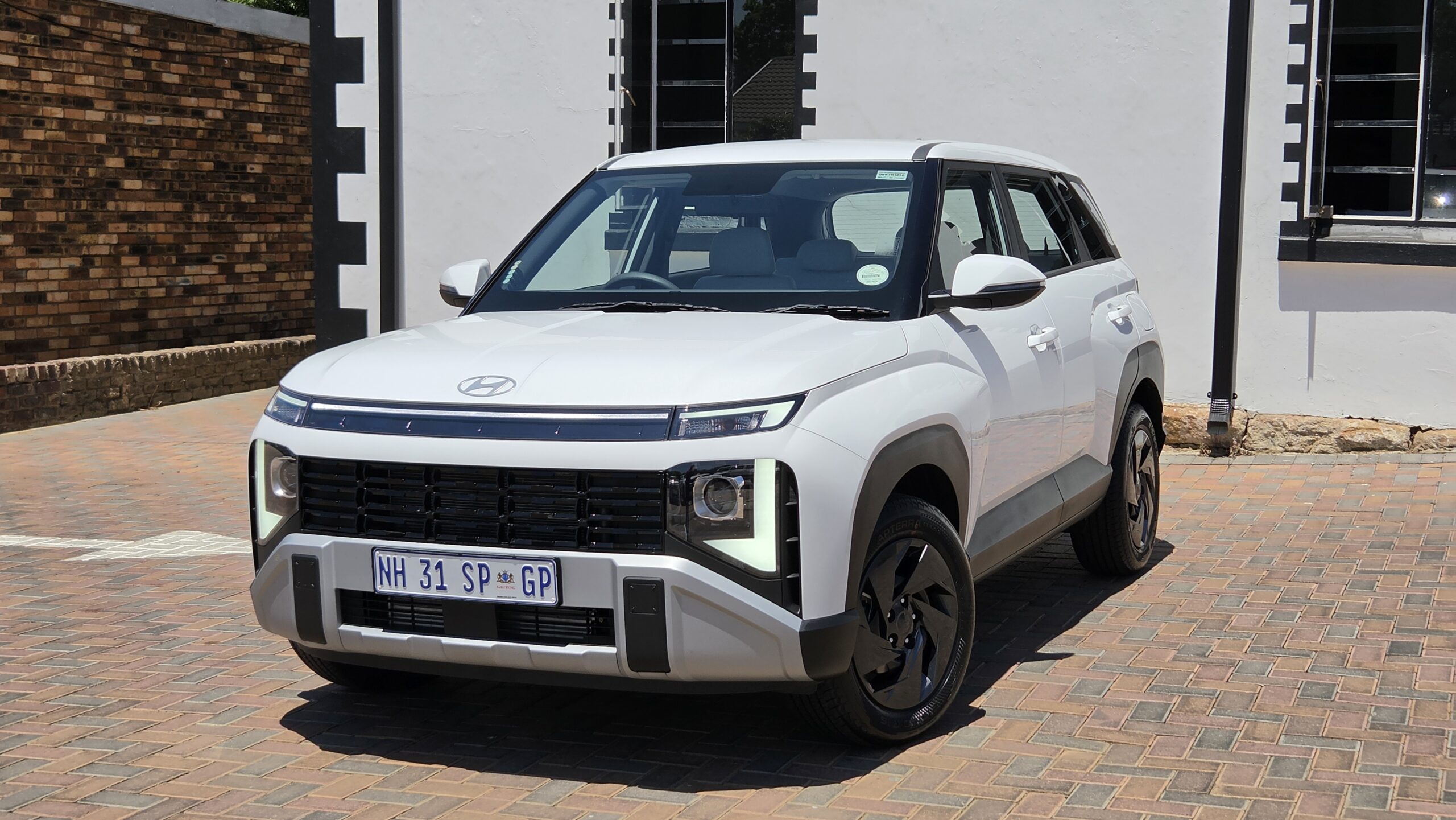
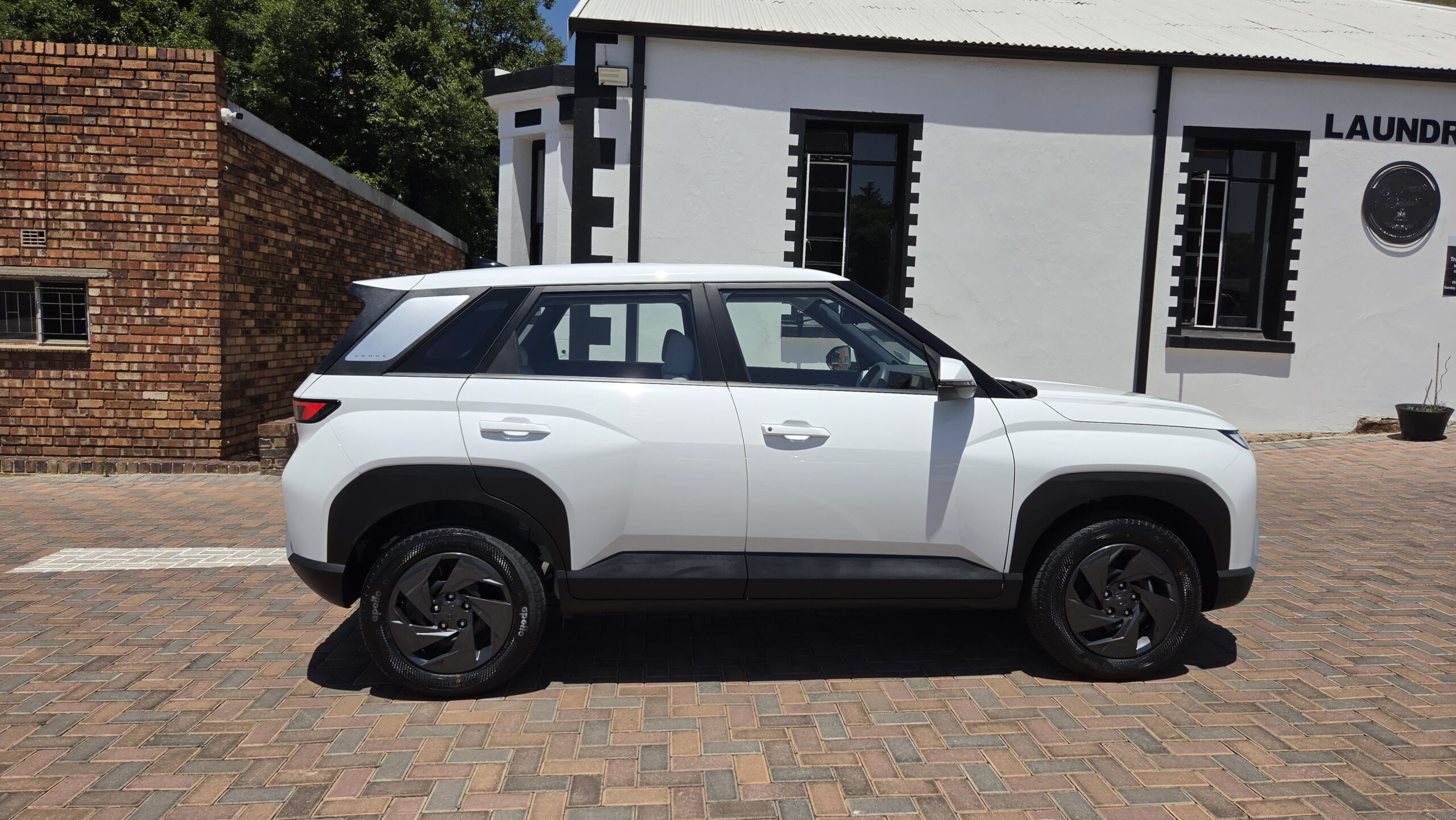
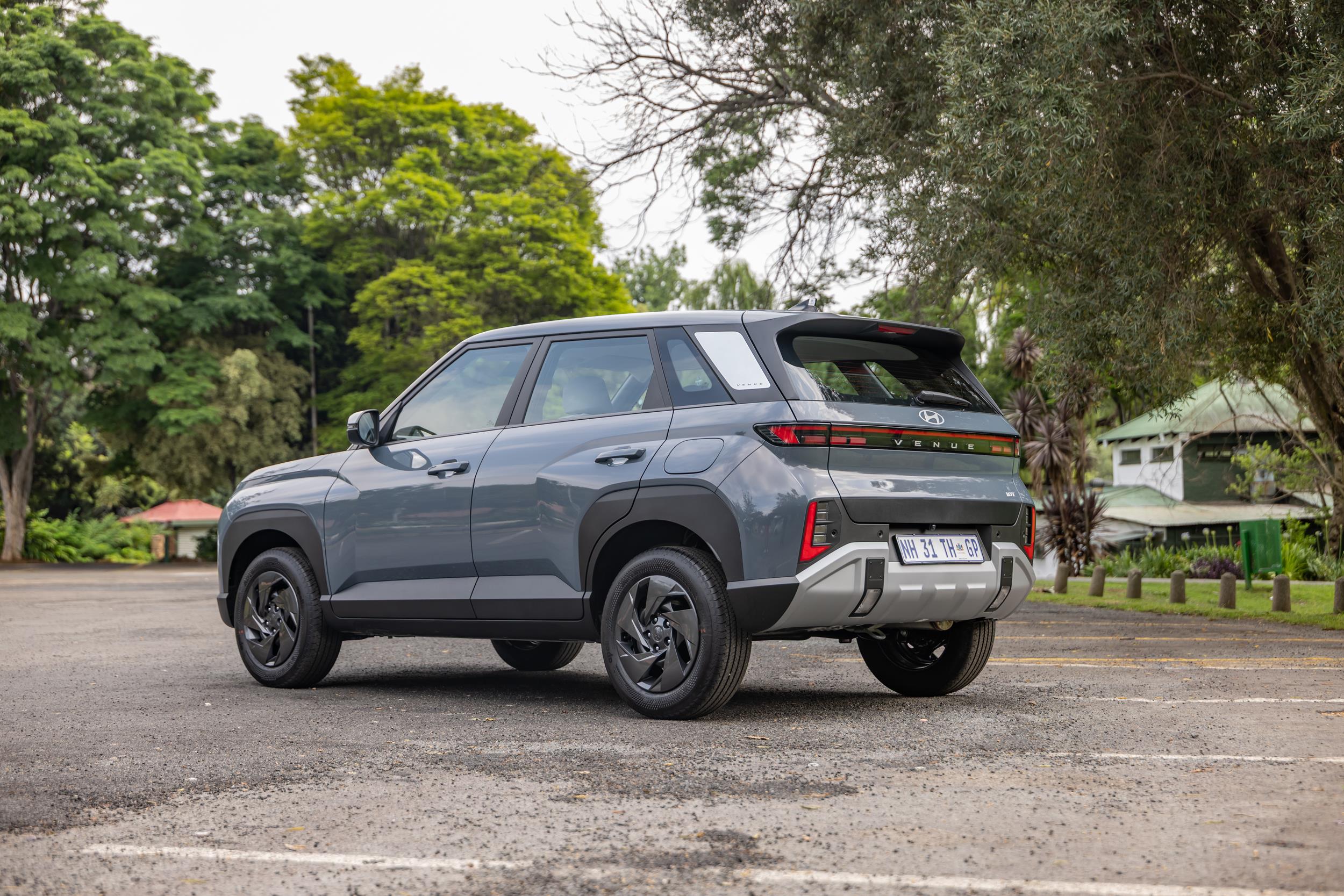
Hyundai Automotive South Africa has introduced its latest-generation Venue compact SUV, priced from R319 900, as the Korean manufacturer intensifies its efforts to defend its position among the country’s five best-selling vehicle brands.
The new Venue arrives in an increasingly competitive segment, where established rivals such as the Volkswagen T-Cross, Toyota Starlet Cross, Suzuki Fronx, Kia Sonet, Nissan Magnite and Renault Kiger are competing for budget-conscious buyers. The Mahindra XUV 3XO is another formidable contender.
Hyundai invited me to its Johannesburg media launch at the company’s Bedfordview headquarters on Friday, where myself and other motoring journalists were given an opportunity to experience the newcomer on public roads.
I drove the turbocharged Premium derivative on a roughly 100km return journey between Bedfordview and Heidelberg, recording an average fuel consumption of 7.3 litres per 100km. This was slightly higher than Hyundai’s claimed 6.9 litres per 100km for the derivative, although driving conditions and individual driving styles can influence consumption.
The Venue proved surprisingly responsive, with its turbocharged engine delivering adequate performance for everyday driving. Ride comfort was another positive aspect, particularly considering its positioning in the compact SUV segment.
While these initial impressions were encouraging, a longer week-long test will be necessary to assess its fuel efficiency, practicality and overall performance under different driving conditions.
Three derivatives, with prices starting at R319 900
The new Venue is available in three derivatives, beginning with the 1.2-litre Premium manual, producing 61kW and 115Nm, priced at R319 900. The 1.0-litre turbocharged Premium, equipped with a seven-speed dual-clutch transmission, produces 71kW and 172Nm and costs R349 900. At the top of the range is the sportier N Line, producing 88kW and 172Nm, with a substantially higher price tag of R499 900.
The flagship’s pricing places it against larger and potentially better-equipped alternatives, making its value proposition an important consideration for prospective buyers.
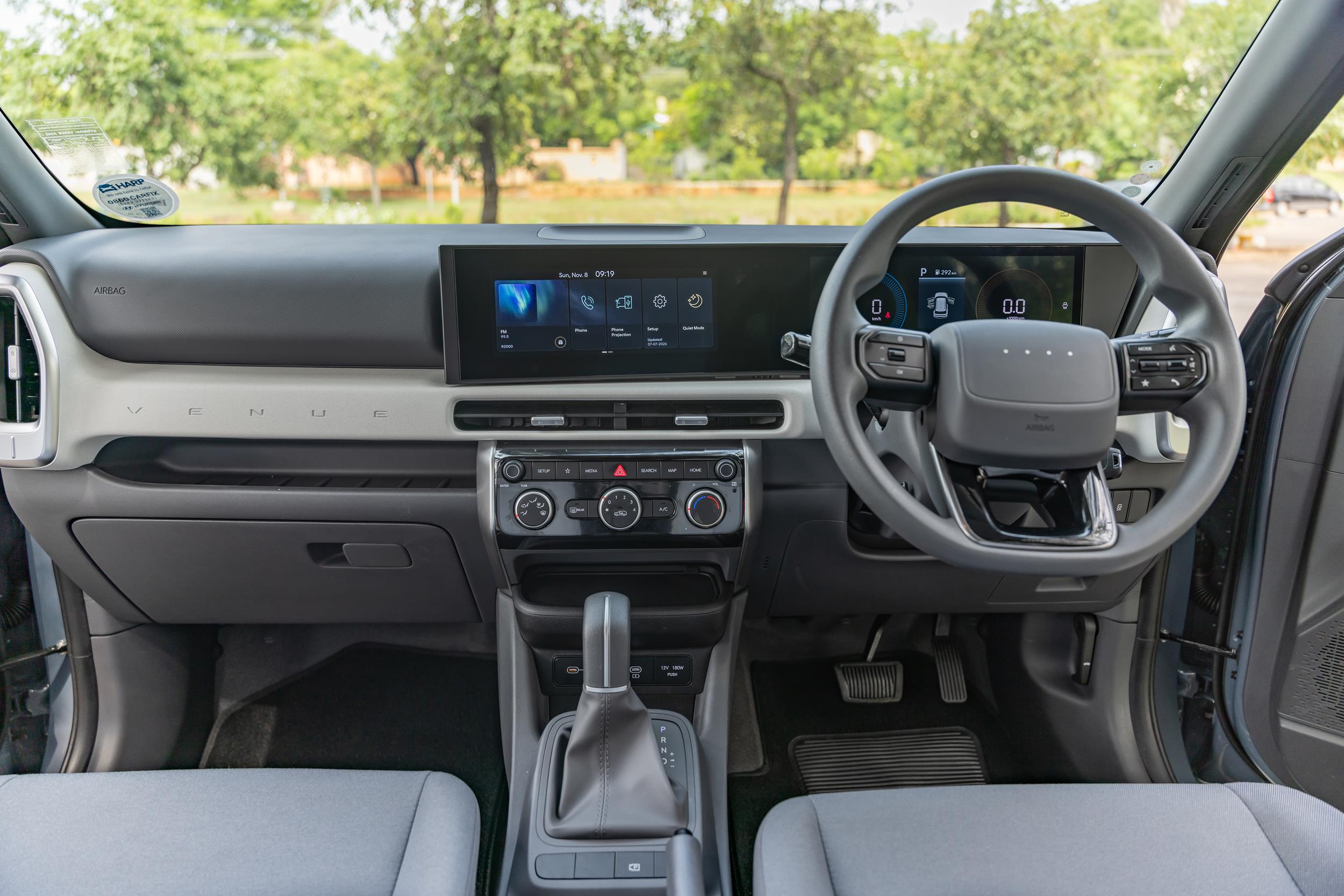
Hyundai has introduced a redesigned exterior featuring a dark-chrome grille, while the cabin incorporates a 12.3-inch infotainment display and smartphone connectivity.
Standard safety equipment across the range includes six airbags, electronic stability control, anti-lock brakes, hill-start assistance and rear parking sensors.
All derivatives carry a seven-year/200,000km warranty and three-year/45,000km service plan.
Hyundai eyes further growth despite fierce competition
Beyond the Venue launch, Hyundai Automotive South Africa CEO Stanley Anderson outlined the company’s ambitions to strengthen its market position.
Asked whether Hyundai could eventually overtake Volkswagen in domestic sales, Anderson acknowledged that closing the approximately 2 000-unit gap would be challenging. However, he did not rule out the possibility, pointing to Hyundai’s expanding product portfolio and future introductions.
“Ultimately, we are a locally invested importer,” Anderson said, emphasising the company’s commitment to the South African market.
Hyundai also presented vehicle finance application figures from Nedbank’s Motor Finance Corporation (MFC) division, showing 869 210 applications year-to-date, of which 129 147 related to new Hyundai vehicles. These figures reflect finance applications rather than completed vehicle sales.
According to Hyundai, its dealership network comprises 104 outlets, including 47 owned by the company and its parent group, Motus. The manufacturer says this ownership structure supports approximately 70% throughput, although the precise measure was not specified.
More Hyundai models coming in 2027
Hyundai’s planned 2027 product offensive includes the Venue Cargo, automatic Exter and Indonesian-built Stargazer. The company also expects to introduce hybrid and electric versions of the Staria, alongside an updated Tucson scheduled for the third quarter. An electric Venue, expected to make its debut in India, is also under consideration for South Africa.
For now, the new Venue represents another attempt by Hyundai to attract buyers in one of the country’s fiercely contested vehicle segments.
Its competitive entry pricing, improved technology and encouraging initial driving characteristics should strengthen its appeal, although the flagship N Line’s R499 900 price could prove difficult to justify against larger alternatives.
- Hyundai Automotive South Africa has launched the latest-generation Venue compact SUV, with prices starting at R319,900.
- The new Venue is offered in three derivatives: a 1.2-litre Premium manual (61kW, 115Nm) at R319,900, a 1.0-litre turbocharged Premium with seven-speed dual-clutch transmission (71kW, 172Nm) at R349,900, and an N Line model (88kW, 172Nm) priced at R499,900.
- Features include a redesigned exterior with a dark-chrome grille, a 12.3-inch infotainment display, smartphone connectivity, six airbags, electronic stability control, anti-lock brakes, hill-start assistance, and rear parking sensors.
- All Venue models come with a seven-year/200,000km warranty and a three-year/45,000km service plan, and Hyundai has recorded 129,147 new vehicle finance applications year-to-date.
- Hyundai plans to introduce new models in 2027 including the Venue Cargo, automatic Exter, Indonesian-built Stargazer, hybrid and electric Staria versions, an updated Tucson, and possibly an electric Venue for South Africa.
Hyundai Automotive South Africa has introduced its latest-generation Venue compact SUV, priced from R319 900, as the Korean manufacturer intensifies its efforts to defend its position among the country’s five best-selling vehicle brands.
The new Venue arrives in an increasingly competitive segment, where established rivals such as the Volkswagen T-Cross, Toyota Starlet Cross, Suzuki Fronx, Kia Sonet, Nissan Magnite and Renault Kiger are competing for budget-conscious buyers. The Mahindra XUV 3XO is another formidable contender.
Hyundai invited me to its Johannesburg media launch at the company’s Bedfordview headquarters on Friday, where myself and other motoring journalists were given an opportunity to experience the newcomer on public roads.
I drove the turbocharged Premium derivative on a roughly 100km return journey between Bedfordview and Heidelberg, recording an average fuel consumption of 7.3 litres per 100km. This was slightly higher than Hyundai’s claimed 6.9 litres per 100km for the derivative, although driving conditions and individual driving styles can influence consumption.
The Venue proved surprisingly responsive, with its turbocharged engine delivering adequate performance for everyday driving. Ride comfort was another positive aspect, particularly considering its positioning in the compact SUV segment.
While these initial impressions were encouraging, a longer week-long test will be necessary to assess its fuel efficiency, practicality and overall performance under different driving conditions.
The new Venue is available in three derivatives, beginning with the 1.2-litre Premium manual, producing 61kW and 115Nm, priced at R319 900. The 1.0-litre turbocharged Premium, equipped with a seven-speed dual-clutch transmission, produces 71kW and 172Nm and costs R349 900. At the top of the range is the sportier N Line, producing 88kW and 172Nm, with a substantially higher price tag of R499 900.
The flagship’s pricing places it against larger and potentially better-equipped alternatives, making its value proposition an important consideration for prospective buyers.
Hyundai has introduced a redesigned exterior featuring a dark-chrome grille, while the cabin incorporates a 12.3-inch infotainment display and smartphone connectivity.
Standard safety equipment across the range includes six airbags, electronic stability control, anti-lock brakes, hill-start assistance and rear parking sensors.
All derivatives carry a seven-year/200,000km warranty and three-year/45,000km service plan.
Beyond the Venue launch, Hyundai Automotive South Africa CEO Stanley Anderson outlined the company’s ambitions to strengthen its market position.
Asked whether Hyundai could eventually overtake Volkswagen in domestic sales, Anderson acknowledged that closing the approximately 2 000-unit gap would be challenging. However, he did not rule out the possibility, pointing to Hyundai’s expanding product portfolio and future introductions.
“Ultimately, we are a locally invested importer,” Anderson said, emphasising the company’s commitment to the South African market.
Hyundai also presented vehicle finance application figures from Nedbank’s Motor Finance Corporation (MFC) division, showing 869 210 applications year-to-date, of which 129 147 related to new Hyundai vehicles. These figures reflect finance applications rather than completed vehicle sales.
According to Hyundai, its dealership network comprises 104 outlets, including 47 owned by the company and its parent group, Motus. The manufacturer says this ownership structure supports approximately 70% throughput, although the precise measure was not specified.
Hyundai’s planned 2027 product offensive includes the Venue Cargo, automatic Exter and Indonesian-built Stargazer. The company also expects to introduce hybrid and electric versions of the Staria, alongside an updated Tucson scheduled for the third quarter. An electric Venue, expected to make its debut in India, is also under consideration for South Africa.
For now, the new Venue represents another attempt by Hyundai to attract buyers in one of the country’s fiercely contested vehicle segments.
Its competitive entry pricing, improved technology and encouraging initial driving characteristics should strengthen its appeal, although the flagship N Line’s R499 900 price could prove difficult to justify against larger alternatives.


