


Chinese automotive manufacturers are no longer content with challenging established Japanese, European and American brands. Increasingly, they are competing fiercely among themselves for a bigger slice of South Africa’s automotive market.
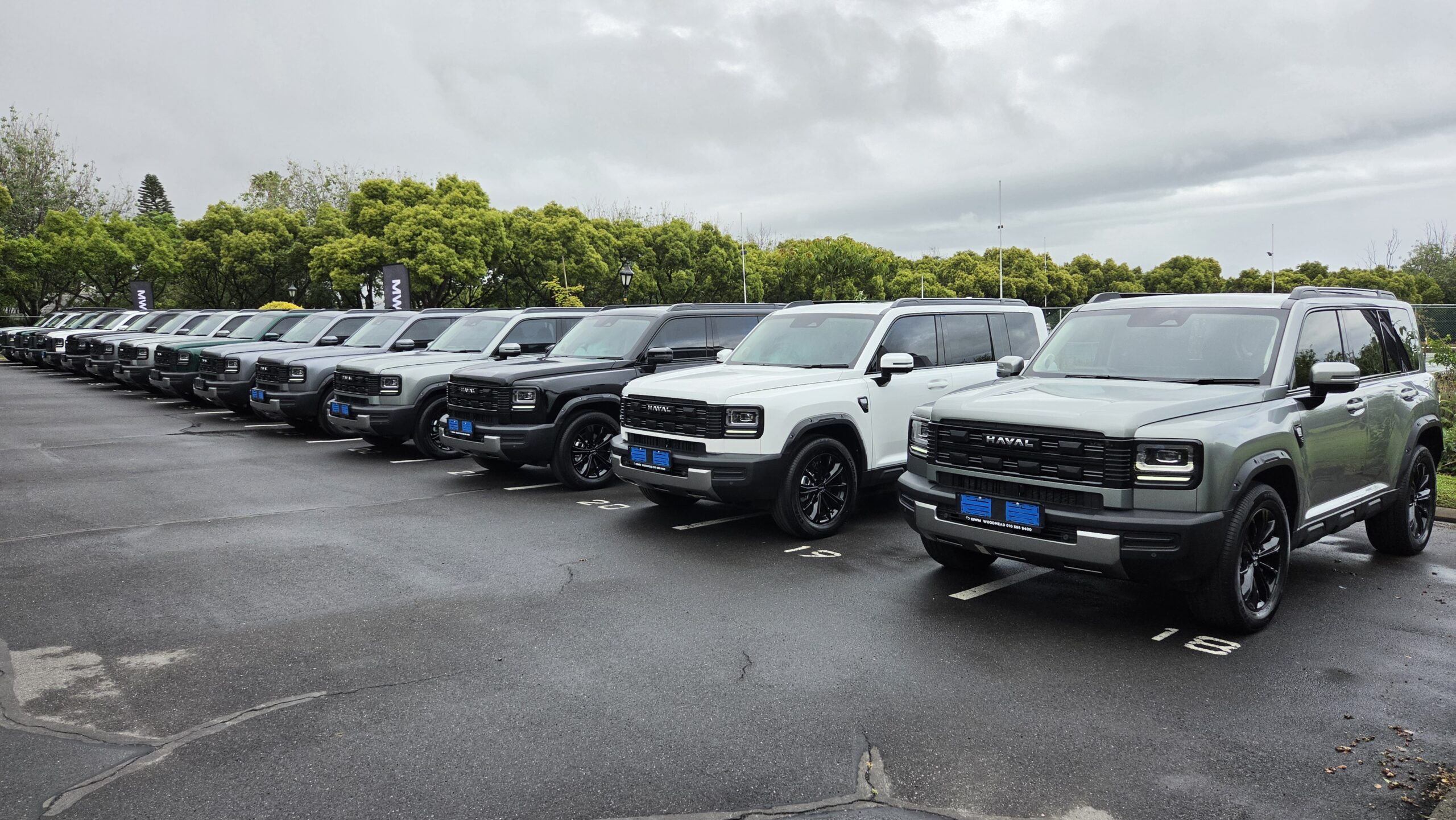
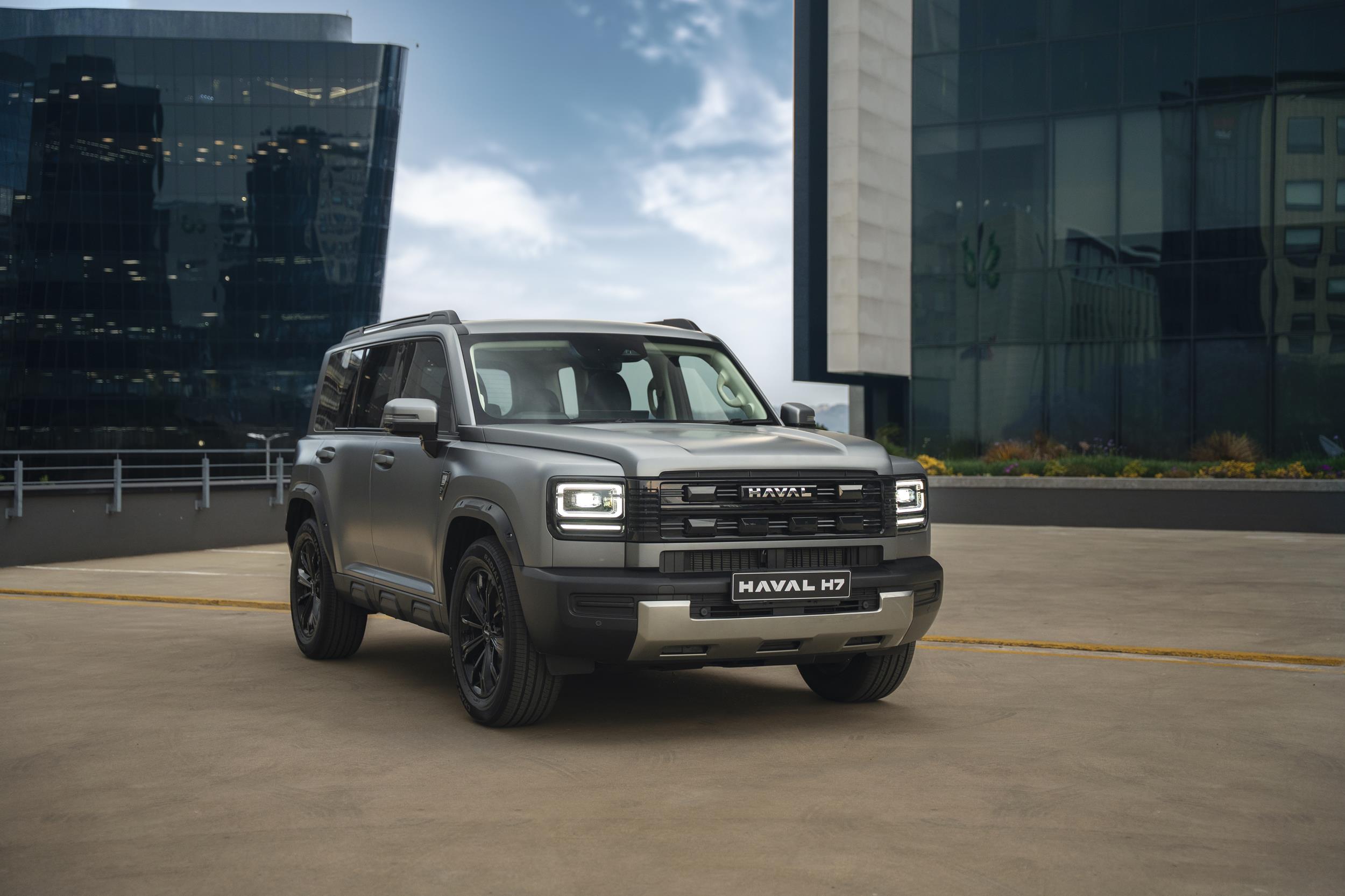
Great Wall Motor (GWM) is the latest to intensify this rivalry with the introduction of the all-new Haval H7, a boldly styled SUV that appears well-positioned to challenge the growing popularity of the Jetour T2. GWM invited me to Cape Town last week for the H7’s national media launch, where I sampled three powertrain options across a variety of road conditions.
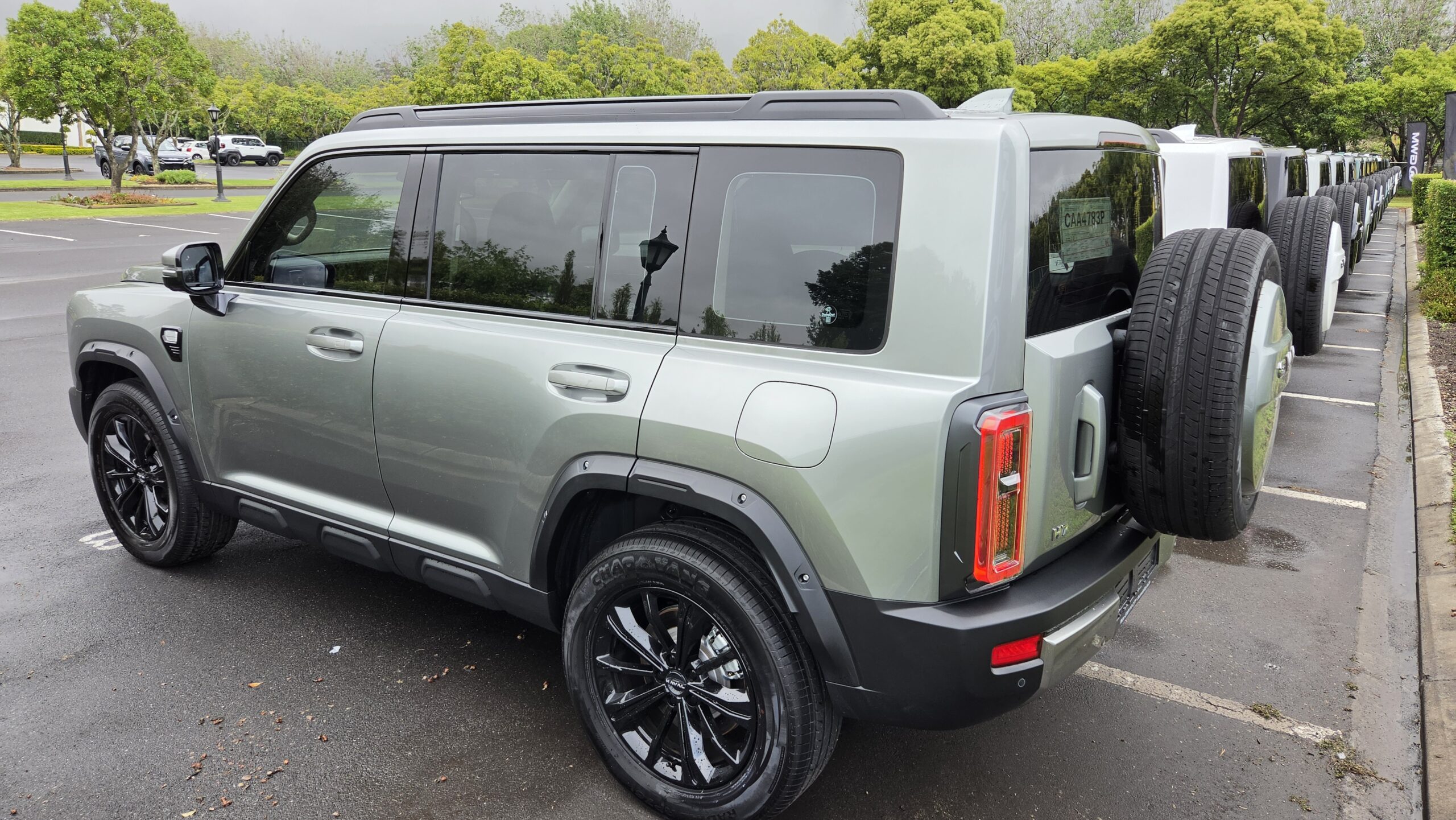
At first glance, the H7 bears a striking resemblance to the Jetour T2 and iCAUR 03T, particularly its upright, boxy silhouette. However, GWM South Africa maintains that the design is primarily intended to maximise functionality and interior space. The H7 arrives at an interesting time for GWM, which ranked among South Africa’s 10 bestselling automotive brands in both August and September, ahead of Jetour. GWM was also the country’s second-bestselling Chinese automotive brand during this period, behind Chery.
Three powertrains, six derivatives
Unlike some competitors, GWM is offering customers a choice of conventional petrol, self-charging hybrid and plug-in hybrid powertrains. The entry-level 2.0-litre turbocharged petrol engine produces 170kW and 380Nm, paired with a nine-speed dual-clutch transmission. It is available in front-wheel-drive and four-wheel-drive configurations.
The 1.5-litre hybrid produces a combined 182kW and 540Nm, with GWM claiming fuel consumption of 5.3 litres/100km under the NEDC testing cycle. Meanwhile, the plug-in hybrid derivatives produce between 240kW and 280kW, with the flagship Hi4 four-wheel-drive model developing 670Nm and accelerating from 0–100km/h in a claimed 5.8 seconds.
Prices start at R554,900 for the petrol Super Luxury, rising to R794,900 for the flagship plug-in hybrid.
Behind the wheel
Our driving programme began in Somerset West, where my driving partner and I took the 2.0-litre petrol derivative on a 57km journey to Dassiesfontein. We subsequently switched to the self-charging hybrid for a further 56.9km towards Caledon and Hermanus, including approximately 10km of gravel roads. The hybrid impressed with its smooth power delivery, comfortable ride and familiar GWM driving characteristics.
However, on gravel, the suspension felt somewhat soft, with the vehicle displaying a degree of lateral movement that reduced confidence when negotiating loose surfaces. This was a useful reminder that rugged styling and off-road capability are not necessarily the same thing.
Following lunch in Hermanus, we switched to the plug-in hybrid for the longest driving stint, covering approximately 114km through Kleinmond, Betty’s Bay and the scenic Clarence Drive before heading towards Cape Town via the N2.
Of the three powertrains sampled, the plug-in hybrid emerged as my preferred option. Its combination of electric propulsion and petrol power offered responsive acceleration, smooth performance and the flexibility of travelling longer distances without relying exclusively on charging infrastructure.
GWM claims an electric-only range of up to 130km for the front-wheel-drive plug-in hybrid and 115km for the four-wheel-drive derivative, although these NEDC figures will require independent verification in everyday conditions.
Technology and practicality
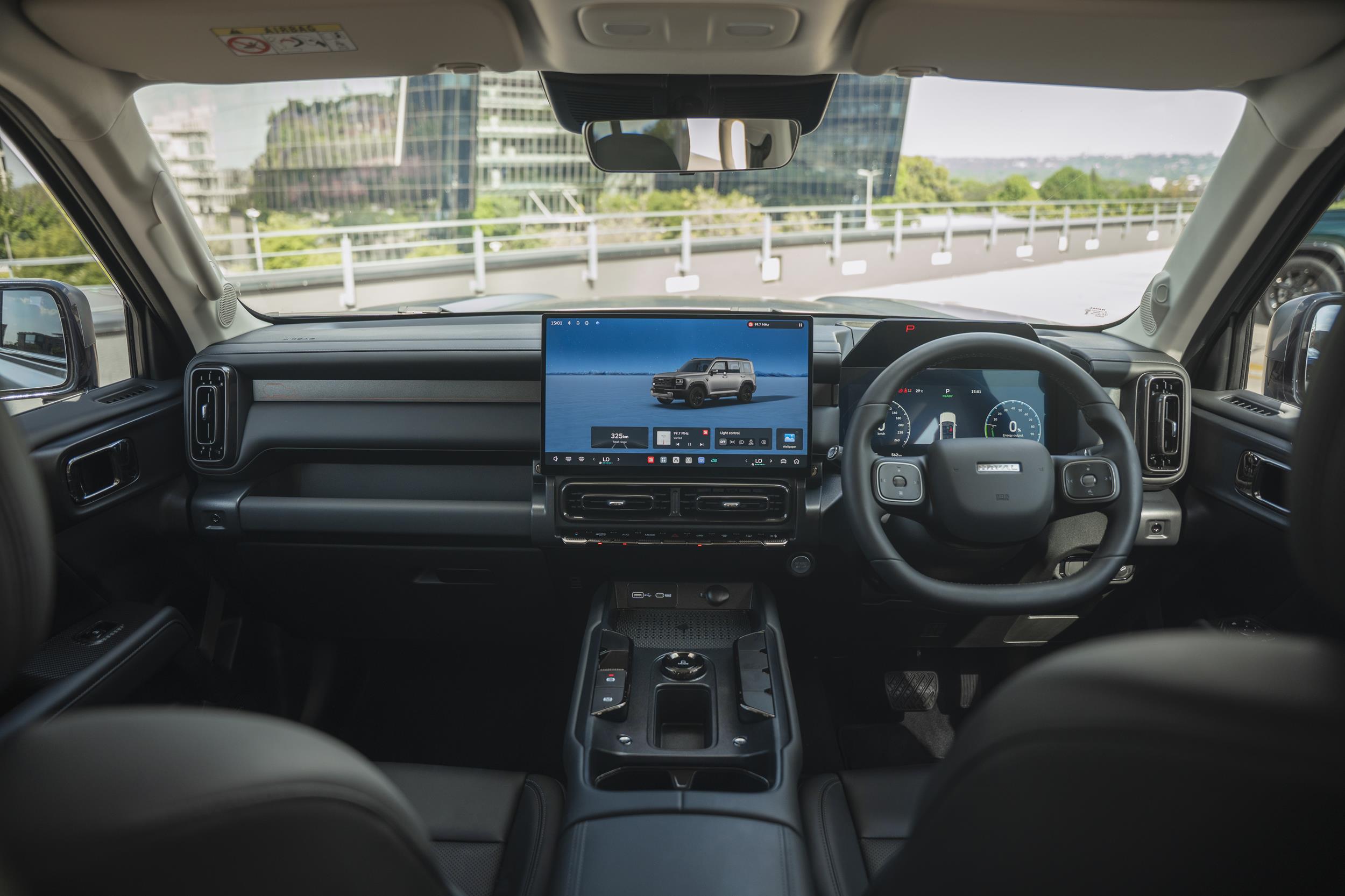
Inside, the H7 features a 12.3-inch digital instrument cluster, 15.6-inch infotainment touchscreen and a 9-inch head-up display. Other features include heated and ventilated front seats, a panoramic sunroof, wireless charging and a 10-speaker sound system.
The boot accommodates 586 litres of luggage, expanding to 1,404 litres with the rear seats folded. For adventurous buyers, selected four-wheel-drive derivatives offer a rear differential lock, 210mm ground clearance and a claimed 580mm wading depth. Safety equipment includes six airbags and a range of electronic driver-assistance technologies.
Ownership coverage comprises a seven-year/200,000km vehicle warranty and seven-year/75,000km service plan.
The verdict
The H7 enters an increasingly crowded SUV market, where the Jetour T2 has attracted considerable attention through its distinctive styling and competitive positioning. The T2 has also recently faced questions regarding its published payload figures, an issue that highlights the importance of buyers scrutinising specifications beyond headline performance and equipment claims.
Based on my initial experience, the H7 has the ingredients to become a credible challenger, particularly with its broad powertrain offering and competitive pricing. However, a longer test period will be necessary to assess real-world fuel consumption, everyday practicality and sustained ride comfort.
Can the H7 slow down Jetour’s momentum? It certainly has the potential to give the T2 a serious challenge and deserves consideration from buyers shopping in this segment.
- Great Wall Motor (GWM) launched the all-new Haval H7 SUV in South Africa, featuring three powertrain options: petrol, self-charging hybrid, and plug-in hybrid.
- The H7 offers six derivatives, with petrol models starting at R554,900 and plug-in hybrid flagship models priced at R794,900.
- The plug-in hybrid variant delivers between 240kW and 280kW power, a zero to 100km/h acceleration in 5.8 seconds, and an electric-only range of up to 130km.
- Inside, the H7 includes a 12.3-inch digital cluster, 15.6-inch infotainment screen, 9-inch head-up display, heated/ventilated seats, panoramic sunroof, and a 10-speaker sound system.
- Safety features comprise six airbags, electronic driver-assistance tech, a seven-year/200,000km warranty, and selected 4WD derivatives offer rear differential lock and 210mm ground clearance.


