


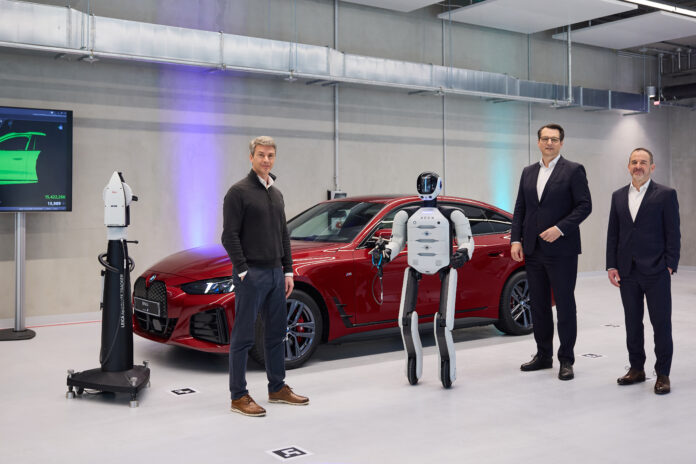
German premium carmaker BMW is accelerating its use of artificial intelligence (AI) in vehicle production, with humanoid robots now being piloted at its European plants as part of a bold digitalisation drive.
The BMW Group has launched its first European pilot project using humanoid robots at its Leipzig plant in Germany.
The initiative forms part of what the company calls “Physical AI”—a system that combines digital artificial intelligence with real-world machines and robots on the factory floor.
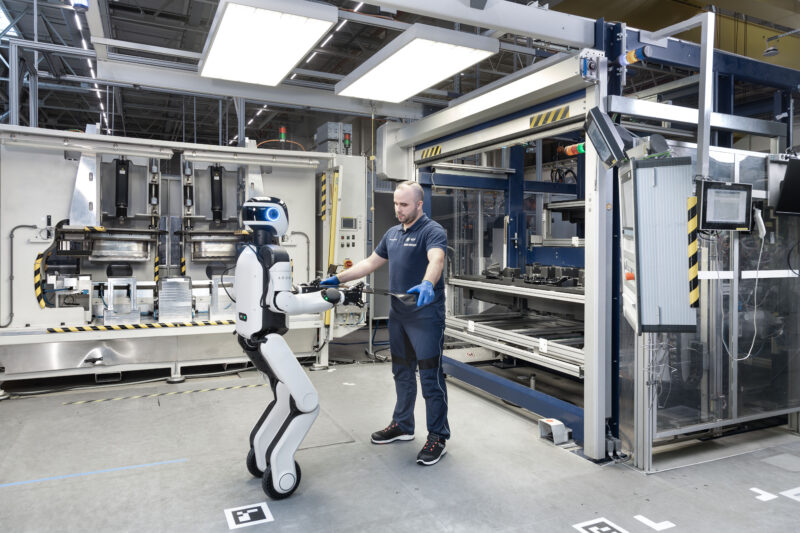
The Leipzig pilot follows a successful trial at BMW’s Spartanburg plant in the US in 2025, where a humanoid robot supported the production of more than 30 000 BMW X3 vehicles over a 10-month period.
The robot handled repetitive and physically demanding welding-related tasks, moving more than 90 000 sheet metal components with millimetre precision.
According to Milan Nedeljković, BMW AG board member for production, digitalisation is central to improving competitiveness globally.
“The symbiosis of engineering expertise and artificial intelligence opens up entirely new possibilities in production,” he said.
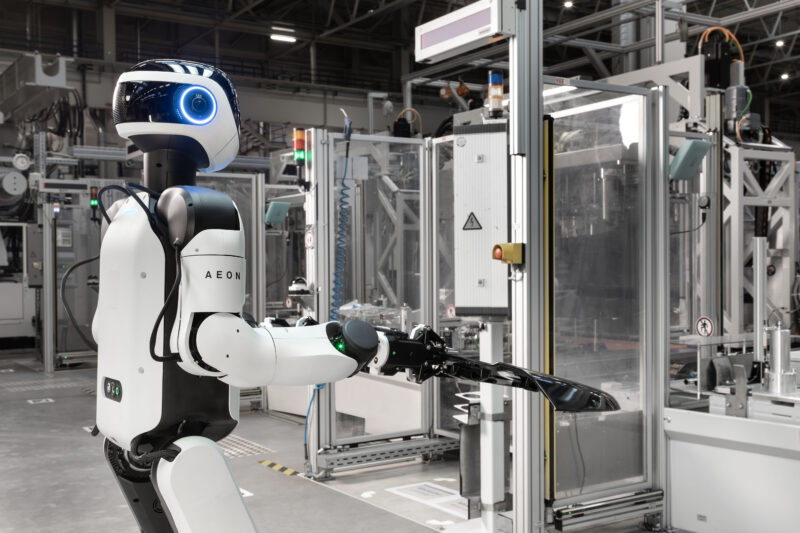
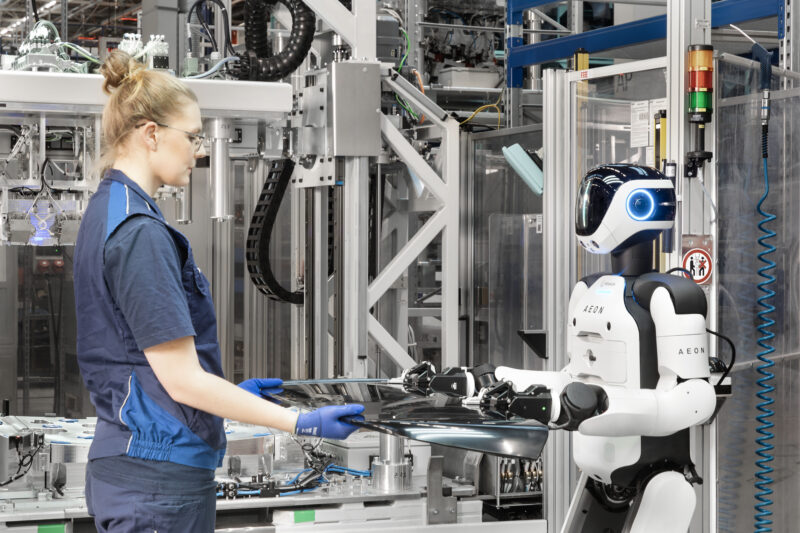
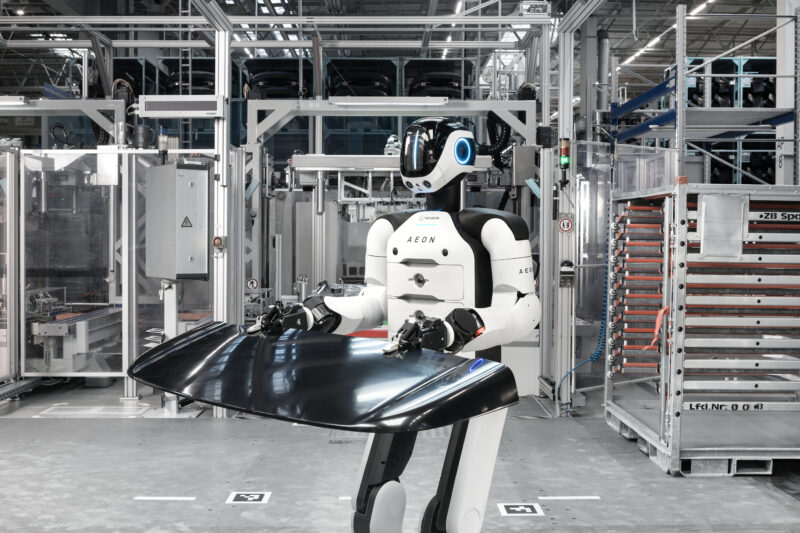
In Europe, BMW is working with technology partner Hexagon Robotics to deploy its humanoid robot, AEON, at the Leipzig plant.
The robot will initially be used in high-voltage battery assembly and component manufacturing, with further integration planned for April 2026 ahead of a full pilot phase in the summer.
The move underscores BMW’s broader iFACTORY strategy, which integrates digital twins, AI-driven quality control systems, and autonomous logistics into its global production network.
A unified IT and data platform allows intelligent AI agents to analyse data in real time, detect anomalies and make autonomous decisions.
Europe and the US are not the only regions experiencing the digital shift. In January this year, at the Start of the Year media address by BMW Group South Africa, BMW Plant Rosslyn director Daniel Bester revealed that the Rosslyn plant in Pretoria is already using AI to detect defects and predict breakdowns in the production process—a sign that advanced manufacturing technologies are firmly embedded in BMW’s South African operations.
BMW says humanoid robots are intended to complement, not replace, existing automation and human workers.
They are particularly suited for monotonous, ergonomically demanding or safety-critical tasks, helping to relieve employees while improving efficiency.
With the establishment of a dedicated Center of Competence for Physical AI in Production, BMW is positioning itself at the forefront of AI-powered automotive manufacturing—a shift that could redefine how cars are built in the years ahead.
- German premium carmaker BMW is accelerating its use of artificial intelligence (AI) in vehicle production, with humanoid robots now being piloted at its European plants as part of a bold digitalisation drive.
- The BMW Group has launched its first European pilot project using humanoid robots at its Leipzig plant in Germany.
- The initiative forms part of what the company calls “Physical AI”—a system that combines digital artificial intelligence with real-world machines and robots on the factory floor.
- The Leipzig pilot follows a successful trial at BMW’s Spartanburg plant in the US in 2025, where a humanoid robot supported the production of more than 30 000 BMW X3 vehicles over a 10-month period.
- The robot handled repetitive and physically demanding welding-related tasks, moving more than 90 000 sheet metal components with millimetre precision.


