


South Africa’s automotive industry bodies have warned that the United States’ decision to terminate the country’s preferential trade access under the African Growth and Opportunity Act (AGOA) could place further pressure on an already struggling manufacturing sector, threatening jobs, investment and competitiveness.
The warnings follow an announcement by the US administration of its intention to terminate South Africa’s AGOA eligibility from January 1, 2027.
However, industry bodies believe the immediate impact could be limited, as punitive tariffs introduced by the US last year have already significantly reduced South African automotive exports to the world’s largest economy.
READ: SA’s AGOA exports dropped 57% ahead of US announcement
Naamsa, the Automotive Business Council, and the National Association of Automotive Component and Allied Manufacturers (Naacam) have called for urgent diplomatic engagement to protect the longstanding trade relationship between the two countries.
According to Naamsa, South African vehicle exports to the US plunged by 83.2%, from 24,682 units in 2024 to just 4,136 units in 2025.
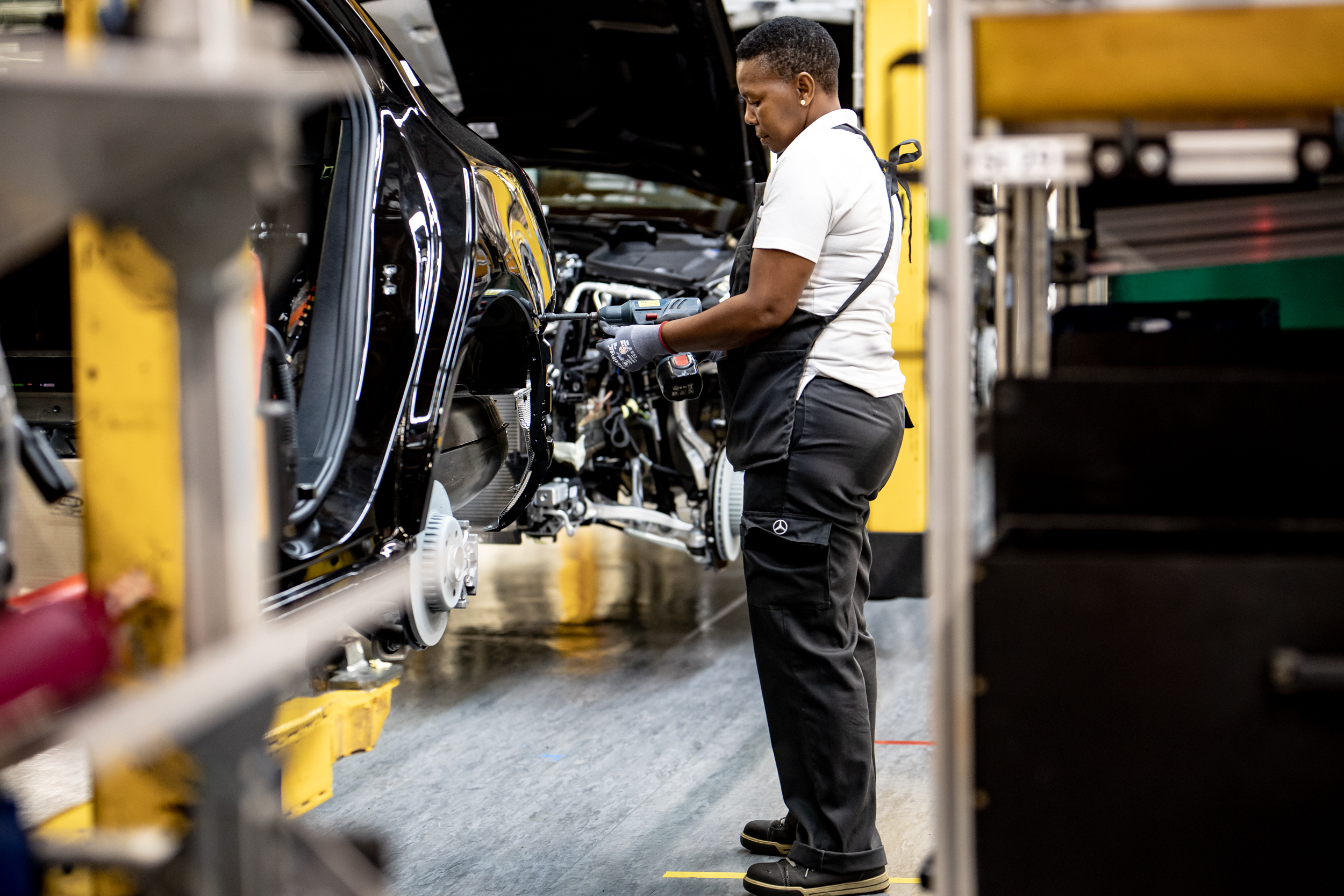
Mercedes-Benz is among the manufacturers exposed to the US trade measures, with its East London plant in the Eastern Cape producing the C-Class sedan for domestic and international markets, including the US. The decline followed the introduction of 25% tariffs on imported vehicles in April 2025 and automotive components the following month.
Naamsa said these tariffs had already substantially eroded the benefits previously enjoyed under AGOA. Importantly, losing AGOA would not prevent South African manufacturers from exporting vehicles and components to the US, although additional import duties would apply.
Naacam CEO Renai Moothilal warned that the latest development would further undermine the competitiveness of local manufacturers.
Said Moothilal:
“Losing AGOA adds a further cost to an industry that has already absorbed a significant shock.”
According to Naacam, the value of South African automotive exports to the US declined by 29%, from R28.67 billion in 2024 to R20.43 billion in 2025. Direct component exports fell by 12.8% to R3.86 billion, while light vehicle exports declined by 31.7% to R16.57 billion.
The association warned that the proposed termination would introduce additional standard import duties, typically around 2.5%, further weakening South Africa’s position against competing automotive manufacturing countries.
Thousands of jobs already lost
The potential loss of AGOA benefits comes as South Africa’s automotive component manufacturing industry battles declining localisation, rising operational costs and reduced production volumes.
Naacam revealed that 15 component manufacturing companies had closed over the past three years, with more than 7,500 gross job losses recorded across the sector. The association also raised concerns about South Africa’s failure to meet its automotive localisation targets. Under the South African Automotive Masterplan 2035, local content was supposed to reach 48.2% by 2025. Instead, it stood at just 39%, marginally above the 38.7% recorded a decade earlier.
Moothilal argued that strengthening domestic manufacturing and increasing locally produced vehicle sales would help reduce the industry’s exposure to international trade disruptions. “South Africa cannot control the trade policies of export markets, but it can take decisive action to strengthen its own automotive manufacturing base,” he said.
READ: Pretoria questions Trump’s shifting demands after AGOA removal
Despite the tensions, the US remains South Africa’s fourth-largest automotive trading partner, with bilateral automotive trade valued at R44 billion in 2025. South Africa imported R20.6 billion worth of US-manufactured automotive components during that period.
Both industry bodies urged the governments to pursue a negotiated settlement while accelerating export diversification. Naamsa identified Canada, Europe and African markets as important opportunities, although it cautioned that developing alternative markets would take time.
The organisations warned that protecting established trade relationships remains essential to safeguarding manufacturing investment, supplier development and employment.
- South Africa will lose preferential trade access under the US African Growth and Opportunity Act (AGOA) from January 1, 2027, as announced by the US administration.
- South African vehicle exports to the US fell by 83.2% from 24,682 units in 2024 to 4,136 units in 2025 following 25% tariffs on vehicles and components.
- The value of South African automotive exports to the US declined by 29%, from R28.67 billion in 2024 to R20.43 billion in 2025, with light vehicle exports dropping 31.7%.
- Fifteen component manufacturing companies have closed over the past three years in South Africa, causing more than 7,500 gross job losses in the sector.
- The US remains South Africa’s fourth-largest automotive trading partner, with bilateral automotive trade valued at R44 billion in 2025.
South Africa’s automotive industry bodies have warned that the United States’ decision to terminate the country’s preferential trade access under the African Growth and Opportunity Act (AGOA) could place further pressure on an already struggling manufacturing sector, threatening jobs, investment and competitiveness.
The warnings follow an announcement by the US administration of its intention to terminate South Africa’s AGOA eligibility from January 1, 2027.
However, industry bodies believe the immediate impact could be limited, as punitive tariffs introduced by the US last year have already significantly reduced South African automotive exports to the world’s largest economy.
READ: SA's AGOA exports dropped 57% ahead of US announcement
Naamsa, the Automotive Business Council, and the National Association of Automotive Component and Allied Manufacturers (Naacam) have called for urgent diplomatic engagement to protect the longstanding trade relationship between the two countries.
According to Naamsa, South African vehicle exports to the US plunged by 83.2%, from 24,682 units in 2024 to just 4,136 units in 2025.
Mercedes-Benz is among the manufacturers exposed to the US trade measures, with its East London plant in the Eastern Cape producing the C-Class sedan for domestic and international markets, including the US. The decline followed the introduction of 25% tariffs on imported vehicles in April 2025 and automotive components the following month.
Naamsa said these tariffs had already substantially eroded the benefits previously enjoyed under AGOA. Importantly, losing AGOA would not prevent South African manufacturers from exporting vehicles and components to the US, although additional import duties would apply.
Naacam CEO Renai Moothilal warned that the latest development would further undermine the competitiveness of local manufacturers.
Said Moothilal:
“Losing AGOA adds a further cost to an industry that has already absorbed a significant shock.”
According to Naacam, the value of South African automotive exports to the US declined by 29%, from R28.67 billion in 2024 to R20.43 billion in 2025. Direct component exports fell by 12.8% to R3.86 billion, while light vehicle exports declined by 31.7% to R16.57 billion.
The association warned that the proposed termination would introduce additional standard import duties, typically around 2.5%, further weakening South Africa’s position against competing automotive manufacturing countries.
The potential loss of AGOA benefits comes as South Africa’s automotive component manufacturing industry battles declining localisation, rising operational costs and reduced production volumes.
Naacam revealed that 15 component manufacturing companies had closed over the past three years, with more than 7,500 gross job losses recorded across the sector. The association also raised concerns about South Africa’s failure to meet its automotive localisation targets. Under the South African Automotive Masterplan 2035, local content was supposed to reach 48.2% by 2025. Instead, it stood at just 39%, marginally above the 38.7% recorded a decade earlier.
Moothilal argued that strengthening domestic manufacturing and increasing locally produced vehicle sales would help reduce the industry’s exposure to international trade disruptions. “South Africa cannot control the trade policies of export markets, but it can take decisive action to strengthen its own automotive manufacturing base,” he said.
READ: Pretoria questions Trump's shifting demands after AGOA removal
Despite the tensions, the US remains South Africa’s fourth-largest automotive trading partner, with bilateral automotive trade valued at R44 billion in 2025. South Africa imported R20.6 billion worth of US-manufactured automotive components during that period.
Both industry bodies urged the governments to pursue a negotiated settlement while accelerating export diversification. Naamsa identified Canada, Europe and African markets as important opportunities, although it cautioned that developing alternative markets would take time.
The organisations warned that protecting established trade relationships remains essential to safeguarding manufacturing investment, supplier development and employment.


