


Japanese automotive giant Toyota Motor Corporation has announced plans to build a new vehicle manufacturing plant in India as global vehicle manufacturers continue strengthening their presence in one of the world’s fastest-growing automotive markets.
The new facility, to be operated by Toyota Kirloskar Motor, will be located in the Bidkin Industrial Area in Maharashtra and is expected to begin production in the first half of 2029.
Toyota says the investment forms part of its strategy to strengthen its business foundation in India while also positioning the country as a production and export hub for surrounding regions.
2 800 jobs to be created
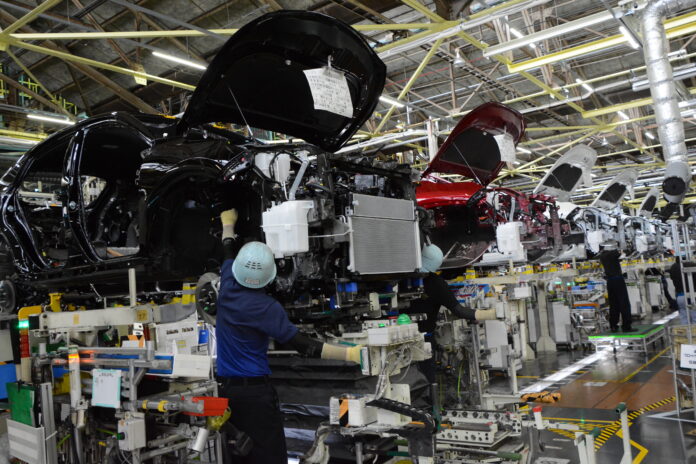
The planned facility will produce 100 000 vehicles annually and will employ about 2 800 people. Manufacturing operations at the plant will include stamping, welding, painting and final assembly.
Toyota confirmed that the new plant will focus on producing a new SUV model, although it has not yet disclosed further product details.
The announcement comes as India, a fast-growing emerging market economy, increasingly becomes a strategic manufacturing destination for global automotive brands seeking scale, cost competitiveness and export opportunities beyond traditional markets.
Toyota said its growth in the South Asian country has been shaped by the support and lessons gained from pioneers in the local market and stressed that the new investment would allow the company to respond more flexibly to future demand growth and changing market conditions.
“The new plant will steadily deliver vehicles not only to customers in India but also to customers in surrounding regions,” the company said in a statement.
India has emerged as a key manufacturing base for several automotive original equipment manufacturers (OEMs), including Kia, Suzuki, BMW Motorrad and Honda, all of which produce vehicles or motorcycles in the country for domestic sales and export markets.
Global race among OEMs
Toyota’s latest move also reflects the intensifying global race among OEMs to establish stronger manufacturing footprints in emerging markets amid growing competition from Chinese brands and shifting supply chain strategies.
The development could also attract attention from African markets, including South Africa, as manufacturers continue evaluating India as an export source for affordable passenger vehicles and SUVs.
Toyota has not yet confirmed whether the future SUV earmarked for the new Maharashtra plant will form part of its future export plans to Africa or South Africa.
Toyota plans to produce approximately 9.8-million vehicles globally by December 2026, with around 135 000 units expected to come from its South African operations.
Toyota South Africa Motors has already produced more than 35 600 vehicles locally in the first quarter of this year as part of the group’s broader global manufacturing network.
- Toyota Motor Corporation plans to build a new vehicle manufacturing plant in Bidkin Industrial Area, Maharashtra, India, with production starting in the first half of 2029.
- The facility, operated by Toyota Kirloskar Motor, will produce 100,000 vehicles annually, mainly a new SUV model, and create approximately 2,800 jobs.
- The investment aims to strengthen Toyota's business in India, making the country a production and export hub for surrounding regions.
- The move reflects growing competition among global automotive OEMs in emerging markets and India’s increasing importance as a manufacturing base for exports.
- Toyota has not yet confirmed if the new SUV will be exported to African markets, though India is seen as a potential export source for affordable vehicles.


