


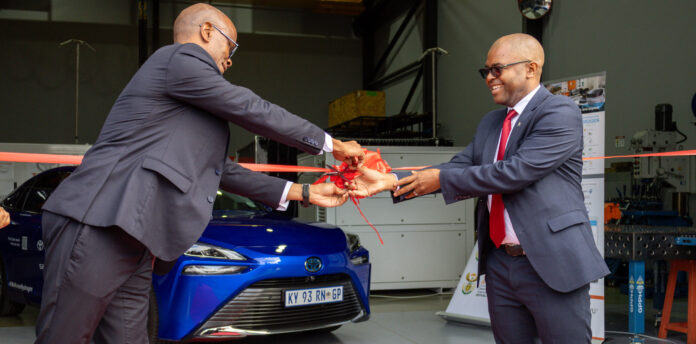
Japanese automotive giant Toyota Motor Corporation and the government have taken another step towards advancing hydrogen mobility in South Africa following the handover of a locally developed mobile hydrogen refuelling station at North West University (NWU).
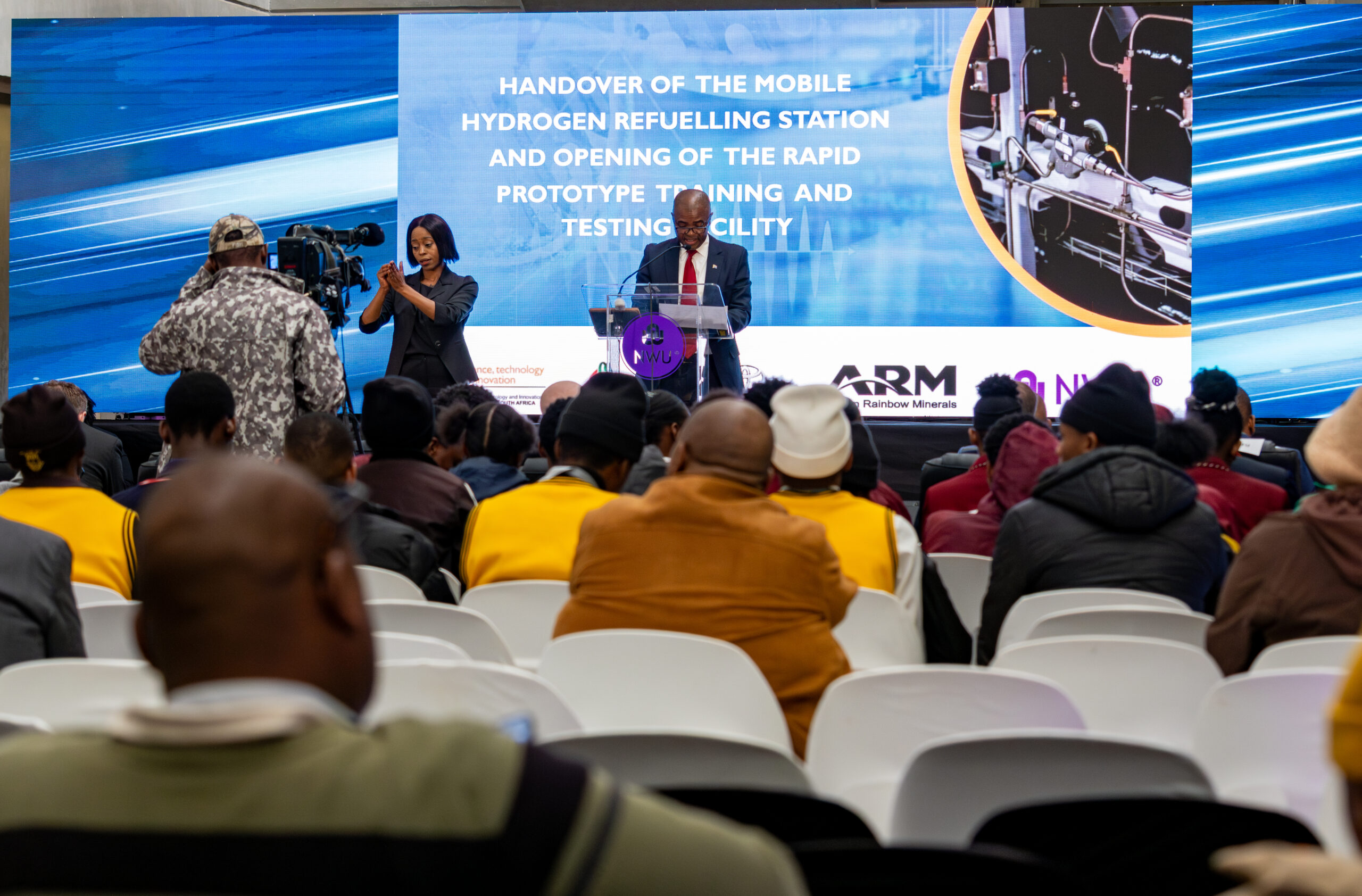
The project, spearheaded by Toyota South Africa Motors in partnership with the Department of Science, Technology and Innovation (DSTI) and Hydrogen South Africa (HySA), is being positioned as a key milestone in South Africa’s clean energy transition and long-term net-zero ambitions.
Advancement of hydrogen mobility
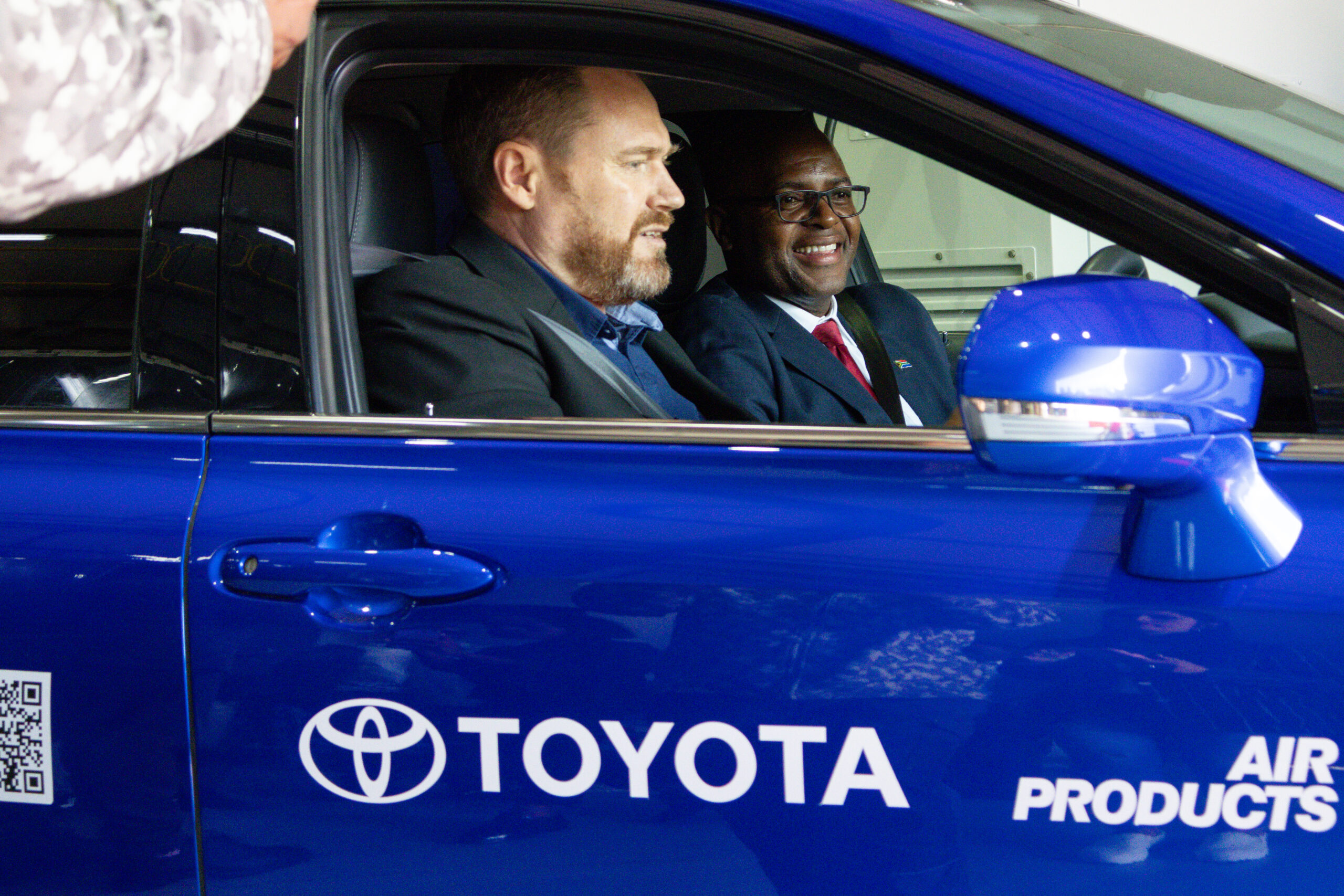
Developed by HySA Infrastructure in collaboration with Toyota South Africa Motors, the mobile hydrogen refuelling station is designed to support the advancement of hydrogen mobility, particularly in the commercial transport sector. The station will also serve as a demonstration platform for hydrogen fuel cell electric vehicle technologies using the Toyota Mirai fuel-cell sedan.
The Role of Toyota Mirai in South Africa’s Energy Shift
The development comes as global vehicle manufacturers continue accelerating investments into alternative energy technologies beyond conventional battery electric vehicles.
Significant progress has already been made by original equipment manufacturers (OEMs) in hydrogen technology globally. In 2024, BMW Group and Toyota Motor Corporation deepened their collaboration to accelerate the development of Fuel Cell Electric Vehicle (FCEV) options for passenger cars.
Locally, South Africa has also been pushing to position itself as a future hydrogen economy player. In 2023, BMW South Africa, Anglo American Platinum and Sasol announced a collaboration aimed at driving the country’s green hydrogen economy through the launch of a pilot fleet of hydrogen-powered vehicles.
Push towards carbon neutrality
Toyota says its latest partnership reinforces the company’s long-standing multi-pathway strategy towards carbon neutrality.
“Hydrogen is an important part of Toyota’s multi-pathway strategy for achieving carbon neutrality. This milestone is not only about new technology but about building a viable hydrogen ecosystem that is safe, standards-compliant and suitable for South African conditions,” said Anton Smalberger, Senior Manager for New Energy Business Development at Toyota South Africa Motors.
Local Engineering and International Safety Standards
The hydrogen refuelling station was developed using local engineering expertise and complies with 42 international and local standards, underlining its commercial readiness.
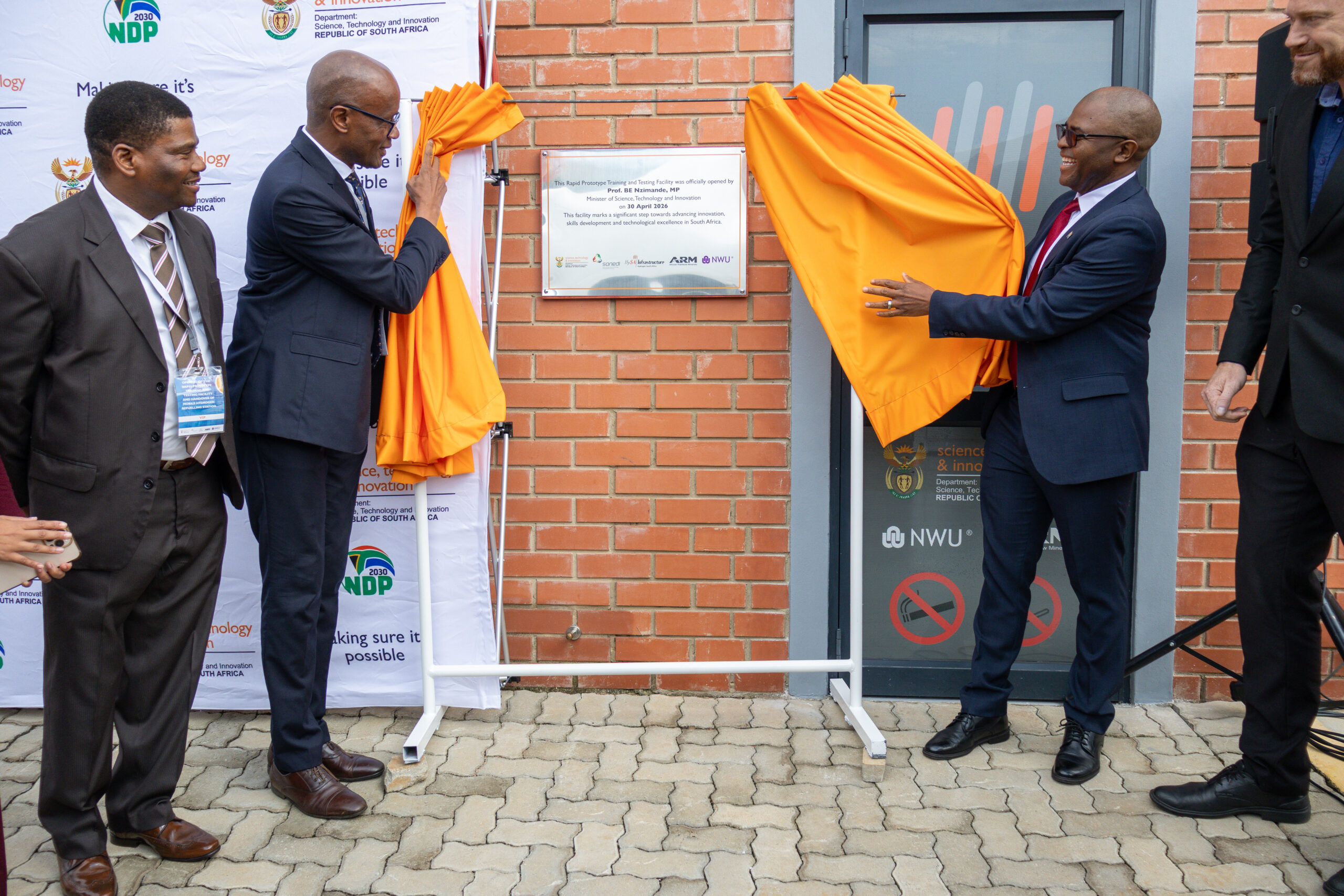
DSTI director-general Dr Mlungisi Cele said the project demonstrates how publicly funded research can be translated into infrastructure that supports industrial development, energy security and skills creation while helping decarbonise key sectors of the economy.
Alongside the refuelling station, the launch of the Rapid Prototyping, Testing and Training Facility at NWU is expected to strengthen South Africa’s hydrogen innovation capabilities further.
Toyota believes projects such as these will play a critical role in ensuring South Africa remains part of the future global clean mobility ecosystem.
- Toyota South Africa Motors, in partnership with the government and HySA, launched a locally developed mobile hydrogen refuelling station at North West University to advance hydrogen mobility in South Africa.
- The station supports hydrogen fuel cell electric vehicle technologies, showcased with the Toyota Mirai, and targets the commercial transport sector to promote clean energy transition and net-zero goals.
- This initiative aligns with global automotive trends towards fuel cell electric vehicles, highlighted by collaborations like that between BMW and Toyota to develop FCEV options.
- The project reinforces Toyota’s carbon neutrality strategy by building a safe, standards-compliant hydrogen ecosystem suited to South African conditions, developed with local expertise.
- The launch coincides with a new Rapid Prototyping, Testing and Training Facility at NWU, enhancing South Africa’s hydrogen innovation, industrial development, and energy security.


