


A R17 million dispute over a 90km game fence in Mpumalanga has exposed the extraordinary, sometimes life-threatening risks South African auditors face in their quest to hold officials accountable for every cent of public money.
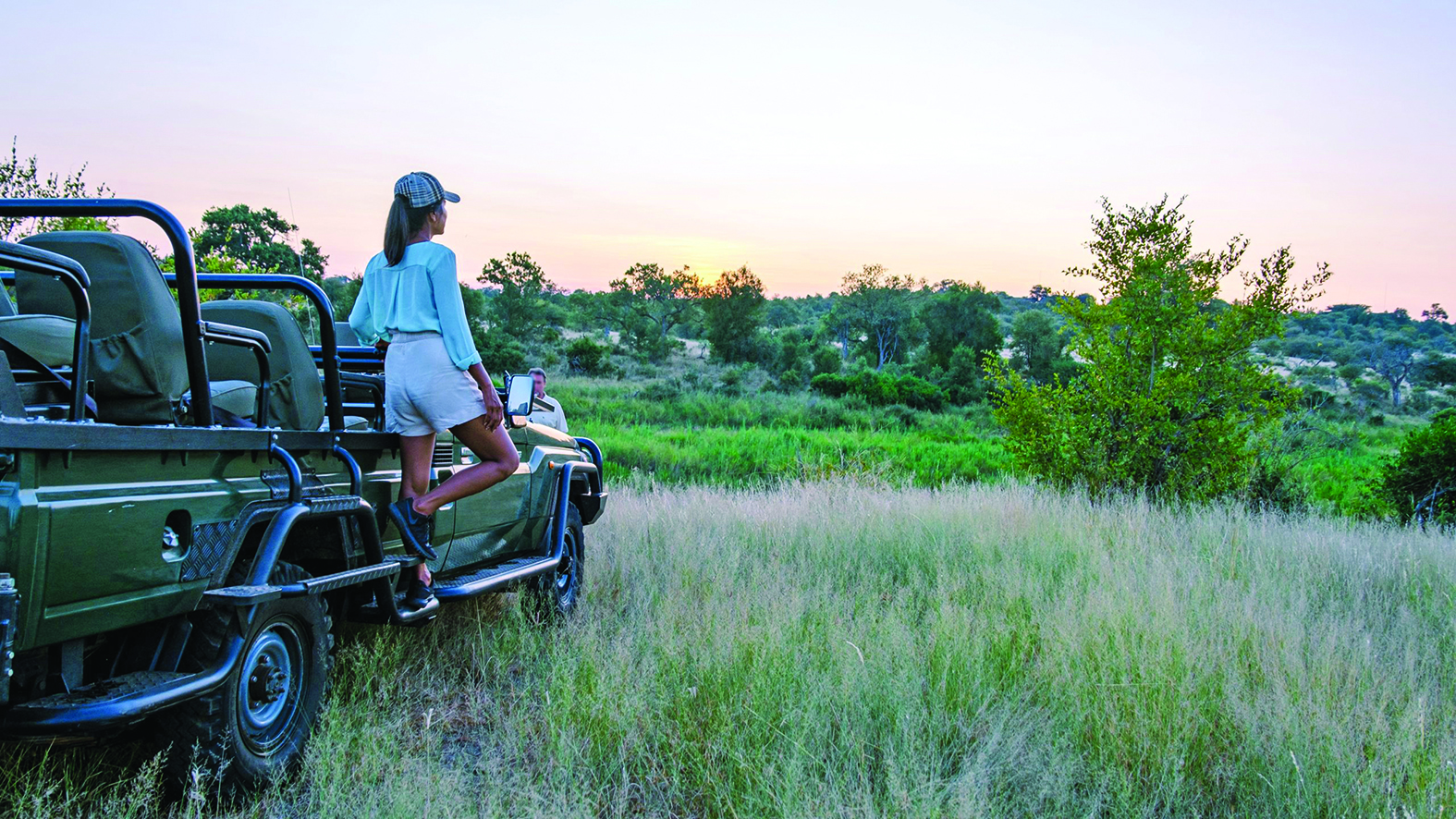
The Auditor-General of South Africa (AGSA) has revealed how auditors had to venture into a wildlife reserve inhabited by dangerous animals, relying on protection from game rangers while physically measuring fencing materials to establish whether taxpayers had been overcharged.
Their mission took them into Songimvelo Nature Reserve, where elephants, buffaloes and leopards roam rugged mountains and valleys. The fence is intended to secure the conservation area and prevent dangerous wildlife from straying into neighbouring communities.
Sprawling across about 48 000 hectares near the Eswatini border, Songimvelo is Mpumalanga’s largest provincial nature reserve. Owned by the state, it forms part of the Songimvelo-Malolotja Transfrontier Conservation Area, linking South Africa and Eswatini, in a region internationally renowned for its ancient geology and biodiversity.
Guided site inspection
AGSA spokesperson Africa Boso told Sunday World that auditors, accompanied by a contractor and protected by game rangers, inspected the fencing project during October and November last year.
“The auditors had to be accompanied by game rangers to protect them against wild animals during the remeasurement,” Boso said.
The team measured about 58km of installed fencing, prompting an audit finding identifying a possible R17 674 573.87 overpayment, including VAT.
Calculation challenged
However, Mpumalanga’s Department of Agriculture, Rural Development, Land and Environmental Affairs challenged the calculation, submitting drone footage indicating that 67.5km had been completed.
The 9.5km difference became central to the dispute, although Boso explained that construction resumed after the auditors’ inspection, meaning the measurements were taken at different stages.
“The fence is in an area not easily accessible,” he said.
“Based on these circumstances it was not possible for the audit team to return to site and this informed the decision to defer further audit work until after completion of the installation.”
Political outrage
The disputed R17 million figure has triggered political outrage. On October 15, DA MPL Cyril Chuene publicly demanded a forensic investigation into the Mpumalanga Tourism and Parks Agency and the department, accusing them of approving excessive payments to the fencing contractor.
Citing an AGSA report, Chuene said the original contract was worth R51.06 million but payments had reached R67.89 million.
He also raised concerns about damaged fencing, poor workmanship and wildlife escaping into farming and residential communities, including Mooiplaas and Elukwatini.
“Where did the money go?” Chuene demanded, calling on Premier Mandla Ndlovu’s administration to investigate.
The DA’s intervention intensified public scrutiny of the project, although the alleged overpayment had been formally contested by departmental head Dan Chunda.
Dispute lodged
The department lodged its dispute on August 18, nearly two months before the AGSA presented the Songimvelo project’s audit outcomes to the provincial legislature’s standing committee on public accounts on October 14.
The presentation therefore reached legislators while the expenditure findings were being contested.
However, Boso maintained that the AGSA had explicitly disclosed the dispute to the committee and explained that the alleged overpayment remained under assessment.
He said the presentation was intended to highlight serious construction delays rather than establish that R17 million had been lost.
The project commenced on July 12, 2023, with completion initially scheduled for March 24, 2024. The deadline was subsequently extended to July 25, 2024 but construction remains unfinished.
Chunda accused the AGSA of misleading the public, disputing the R17 million calculation and maintaining that the potential overpayment amounted to approximately R247 000.
The department also challenged the auditors’ calculations, alleging that R5.9 million in additional preliminary and general costs arising from project extensions had not been considered.
Inconclusive findings
In correspondence dated October 14, the AGSA confirmed that the disputed findings remained inconclusive and would be reconsidered after completion. They were excluded from the final audit report.
Boso rejected allegations that inexperienced auditors had been deployed without appropriate technical expertise.
“For this specific audit, the team consisted of auditors with an accounting background as well as a professional engineer,” he said.
The controversy follows an unrelated incident in which the AGSA acknowledged an erroneous R219 million figure in draft presentation slides concerning suspended Mpumalanga Health employees. The correct amount was R4.9 million, which Boso attributed to a manual calculation error.
The AGSA has maintained that its audit procedures complied with international standards and the department’s qualified audit opinion remained unchanged.
- A R17 million dispute over a 90km game fence in Mpumalanga has exposed the extraordinary, sometimes life-threatening risks South African auditors face in their quest to hold officials accountable for every cent of public money.
- The Auditor-General of South Africa (AGSA) has revealed how auditors had to venture into a wildlife reserve inhabited by dangerous animals, relying on protection from game rangers while physically measuring fencing materials to establish whether taxpayers had been overcharged.
- Their mission took them into Songimvelo Nature Reserve, where elephants, buffaloes and leopards roam rugged mountains and valleys.
- The fence is intended to secure the conservation area and prevent dangerous wildlife from straying into neighbouring communities.
- Sprawling across about 48 000 hectares near the Eswatini border, Songimvelo is Mpumalanga’s largest provincial nature reserve.


