



The directors of emerging fashion brand Borelli narrowly escaped an immediate imprisonment order after the Western Cape High Court found them in contempt for continuing to use branding resembling that of luxury clothing brand Bogart Man.
Borelli (Pty) Ltd directors Bianca Da Silva-Christensen and Januss Engelbrecht were found to have disregarded an earlier court order prohibiting the use of disputed logos on clothing, accessories and promotional materials, prompting Bogart to seek 30-day suspended prison sentences against them.
Judge James Lekhuleni, who issued the contempt order in August and released his written reasons on Wednesday, October 14, instead gave the directors five days from the original ruling to comply, failing which Bogart could return to court seeking their imprisonment.
The history of the brands
Long before luxury fashion became a battlefield of competing logos and designer labels, Bogart had already conquered the wardrobes and vocabulary of working-class communities in South Africa.
Such was the brand’s remarkable market penetration, especially in the old Eastern and Northern Transvaal, that, in some townships, a pair of jeans was simply called ‘diBogart’, regardless of who manufactured it.
Much like Colgate became synonymous with toothpaste and Checkers lent its name to plastic shopping bags in the latter days of apartheid, Bogart became part of the everyday language of fashion among families whose aspirations often exceeded their purchasing power.
For a generation of young working men, owning a pair of Bogart jeans was more than a fashion statement. It was a modest declaration of arrival, an expression of personal progress stitched into denim.
Decades later, the celebrated South African clothing brand has found itself in a fierce legal confrontation with emerging fashion rival Borelli, who uses similar designs and brand marks.
The ruling has turned a commercial contest over clothing into a bruising confrontation over intellectual property and respect for judicial authority.
When one letter becomes a fashion battlefield
At the centre of the dispute is a seemingly innocent letter of the alphabet: B.
Bogart Man, trading through Tornovert (Pty) Ltd, argued that Borelli had adopted branding resembling its registered trademarks, particularly a stylised cursive B, a laurel wreath and a shield.
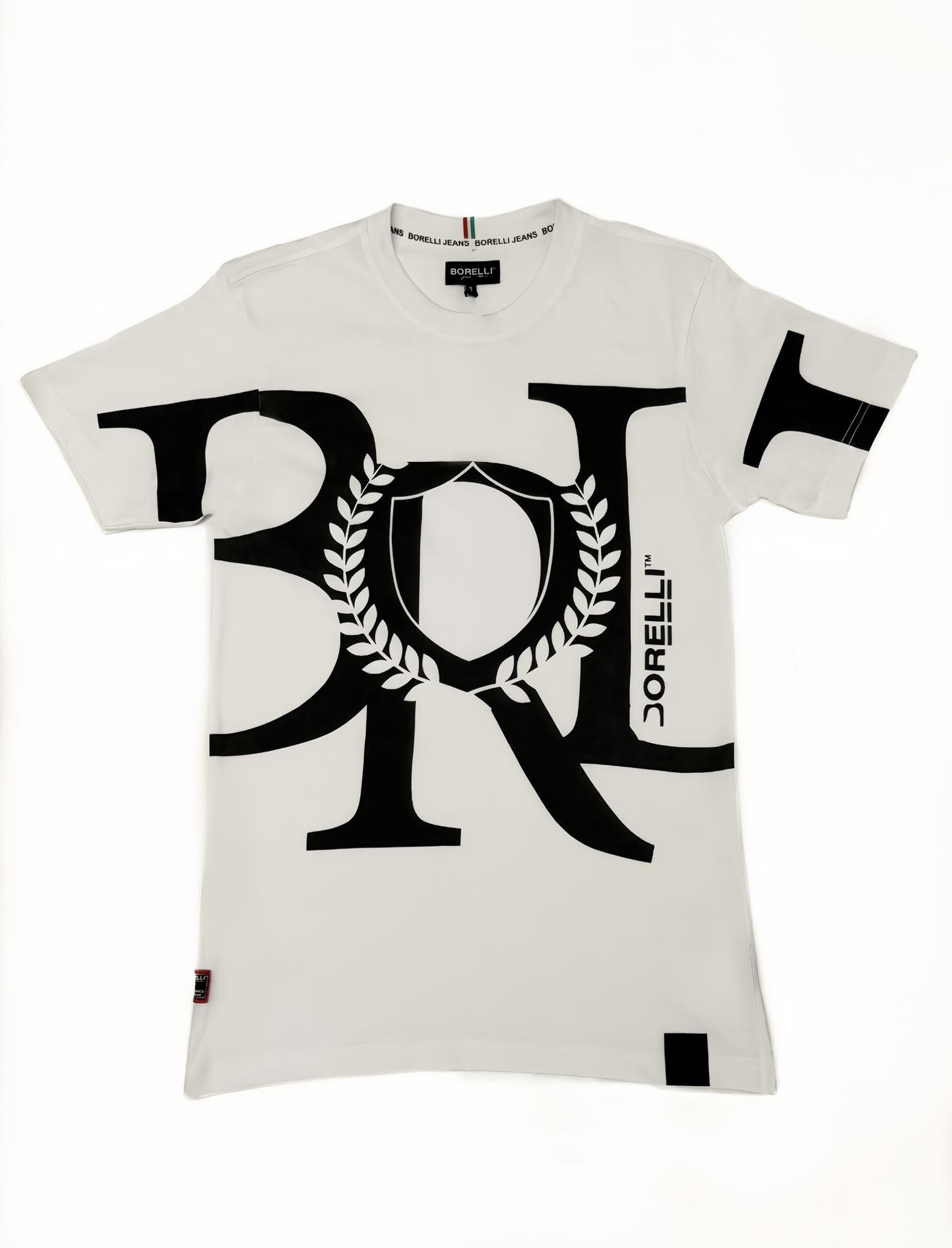
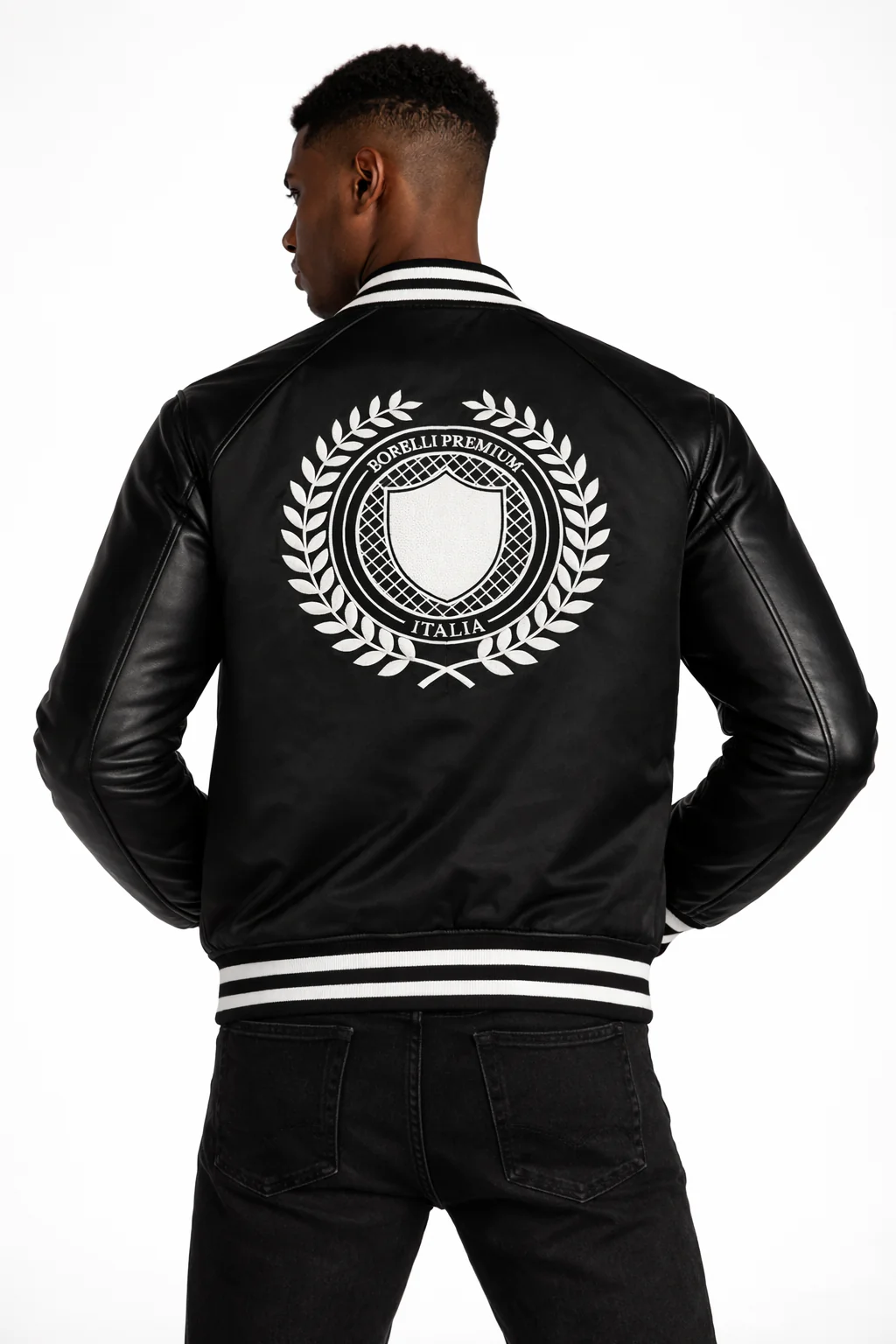
The contested designs appeared on clothing, accessories and promotional materials.
For Bogart, whose name had become deeply embedded in South African fashion culture, the resemblance was commercially significant.
The company argued that customers could mistakenly believe the two businesses were connected.
Borelli disagreed, maintaining that shields and laurel wreaths were common features in fashion branding and that some of its redesigned logos did not contain the distinctive cursive B.
However, the court was dealing principally with whether Borelli had disobeyed an earlier agreement, rather than finally deciding every allegation of trademark infringement.
Bogart’s lawyers told the court that the established luxury retailer operated more than 40 stores nationwide. The company’s website now claims more than 50.
Its opponent was described in court as a relatively new clothing retailer operating online and through two Western Cape shopping centres.
Notably, the dispute erupted as Borelli was preparing to expand its physical retail presence.
READ MORE: MTN tackles township fintech founder in trademark battle
Jackets, bags and T-shirts under scrutiny
According to the judgment, Bogart discovered Borelli’s online retail operation on May 18, 2026, and subsequently learned that the company intended to open two physical stores on July 1.
Bogart approached the court urgently. On June 30, the parties agreed to an interim order preventing Borelli from using branding resembling Bogart’s trademarks, pending final determination of the underlying dispute.
The agreement also required Borelli to remove disputed logos from its website, social media accounts, shopfronts and promotional material and to stop selling clothing and accessories bearing those marks.
But the fashion fight was far from finished. Bogart’s lawyers subsequently identified several products allegedly remaining in circulation.
They included the Ivo Bomber Jacket and Teodoro Duffel bag, both displaying an emblem incorporating a shield, laurel wreath and cursive B.
A promotional pamphlet featuring four cursive Bs also attracted scrutiny.
Particularly damaging was the Lacopo Black Signature T-shirt, which court evidence showed was still being offered for sale or pre-order on July 23.
That was 15 days after Borelli claimed to have stopped using the disputed composite emblem.
Judge Lekhuleni was unimpressed.
“The respondents could and should have taken greater care after the agreed order was granted,” he said.
He found that screenshots from social media and online product listings demonstrated continued use of the disputed branding.
“In my opinion, such conduct amounts to a sheer disregard of the court order and cannot be countenanced.”
READ MORE: Lollipop giant wins round one of a legal battle over colourful wrappers
Directors personally in the firing line
The legal consequences extended beyond the company itself.
Da Silva-Christensen and Engelbrecht were identified as Borelli’s only directors.
According to their own evidence, they personally determined what the business purchased, displayed and sold. That control became central to the judge’s finding that both directors were personally responsible for contempt.
Bogart had sought an order committing each director to 30 days in prison, with the sentences wholly suspended if the company complied within three days. Instead, the court declared the company and its directors in contempt and gave them five days from August 5 to obey the original order.
If they failed, Bogart could return to court seeking imprisonment for a period determined by the judge.
No prison sentence was imposed in the ruling.
The court also authorised sheriffs, with police assistance where necessary, to search Borelli’s outlets at Liberty Promenade and Zevenwacht Mall, its Paarl office and other business premises, and seize offending merchandise if the company failed to comply.
Any seized goods would be held pending the outcome of the underlying trademark proceedings.
The respondents were also ordered to pay Bogart’s legal costs.
A costly lesson in brand identity
Importantly, the judgment does not establish that Borelli was selling counterfeit Bogart clothing.
The dispute concerns allegedly similar branding on Borelli’s own merchandise, rather than a proven operation selling fake Bogart products.
The underlying trademark case remains to be finally determined.
Nevertheless, Judge Lekhuleni found the evidence suggested that Borelli was attempting to benefit from the goodwill associated with its established competitor.
“In my view, the objective facts presented suggest that the respondents seek to benefit from and trade upon the goodwill associated with the applicant’s established brand and trade mark.”
The judge also rejected the suggestion that the directors could decide for themselves how far the earlier order extended. The principle was straightforward: a court order remains binding unless lawfully changed or set aside.
For Bogart, the dispute is about protecting an identity built over decades.
For Borelli, it is a serious legal setback in its efforts to establish a recognisable fashion business.
And for the township generation that grew up calling virtually every pair of jeans ‘diBogart’, the irony is difficult to miss.
A brand that once became so popular that its name escaped the confines of its own labels is now fighting to ensure that another company’s labels do not come too close to its identity.
In fashion, imitation may be considered flattering.
In court, however, resemblance can become remarkably expensive.
- Borelli directors Bianca Da Silva-Christensen and Januss Engelbrecht were found in contempt by the Western Cape High Court for using branding resembling Bogart Man despite an earlier court order prohibiting it.
- Judge James Lekhuleni gave the directors five days from the original August ruling to comply, with the possibility of imprisonment if they failed, but no prison sentence was imposed immediately.
- The dispute centers on Borelli's use of designs featuring a stylised cursive B, laurel wreath, and shield, which Bogart Man claims causes customer confusion and infringes on its trademark.
- Bogart Man operates over 40 stores nationwide and has a significant cultural legacy in South Africa, while Borelli is a relatively new retailer expanding physical stores in the Western Cape.
- The court authorized sheriffs to search Borelli's locations and seize offending merchandise if compliance is not met, and ordered Borelli to pay Bogart Man's legal costs.


