


South Africa’s development was built on the “sweat and even blood” of people from neighbouring countries, the head of the Southern African Development Community (SADC) declared this week, as regional foreign ministers confronted rising anti-immigrant sentiment across the bloc.
Meeting at the SADC Foreign Ministers’ Retreat in Skukuza, Kruger National Park, delegates defended cross-border migration and condemned attacks on foreign nationals.
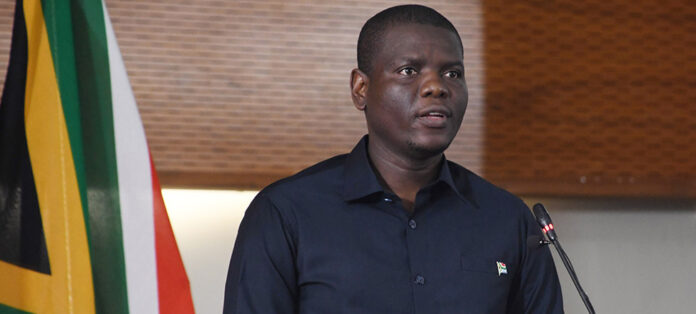
Ronald Lamola, South Africa’s international relations minister, acknowledged growing tensions over undocumented migration but warned that violence against foreign nationals could never be justified.
“This discussion is taking place during a period where a wave of protests against illegal immigration is happening in South Africa, particularly against immigrants of African descent,” Lamola told delegates.
He said South Africa recognises migration as a contributor to regional development when properly managed.
“No country is an island and can succeed in isolation.”
Lamola condemned vigilante action: “The South African government has condemned in the strongest terms any attacks against foreign nationals. No one has the power to take laws into their own hands.”
But he drew a clear line: “Migration itself is not a problem. The challenge facing South Africa is irregular migration.”
SADC executive secretary Elias Magosi delivered an even stronger defence of regional mobility. “Migration is going to happen because people move,” he told journalists.
He argued that migration long predated independence and modern borders. Governments cannot pretend it can be stopped entirely.
Using South Africa as an example, Magosi said the country’s industrial growth had been shaped by workers from across the region. “A lot of the developments that you find in South Africa, Johannesburg and Pretoria, are because of the sweat and even blood of other people in the region.”
His remarks are likely to reignite debate in a country where frustration over unemployment, crime and strained public services has increasingly been aimed at undocumented migrants. Recent months have seen protests, violence and intimidation targeting foreign nationals, raising fresh fears of xenophobia.
Magosi insisted Southern African countries remain historically connected through labour systems, trade routes and shared struggles. “We need to coexist. We are one people at the end of the day.”
He noted that SADC a ready has frameworks to ease movement and urged member states to implement them fully. “That’s when business people move around. That’s how they create jobs – academics, tourists and anybody else.”
Lamola reminded delegates that South Africa is among only seven SADC member states to have ratified the 2005 SADC Protocol on the Facilitation of Movement of Persons.
He called for comprehensive regional talks on the “push and pull factors of migration, including the related socio-economic, governance and security dimensions”.
It appeared there was a diplomatic gag on the sidelines of the ministerial retreat, with several diplomats approached by Sunday World declining to comment on migration, suggesting the issue had become a political hot potato.
Protests against undocumented immigrants in South Africa, led by groups like Operation Dudula and March and March, escalated this week.
In Durban, after anti-migrant groups demanded foreign nationals leave by June 30, over 400 people, including documented asylum seekers, fled to a shelter. Police used stun grenades and rubber bullets to control crowds, then relocated the displaced to eThekwini refugee facilities.
In Gauteng, protests and vigilante raids in Pretoria, Johannesburg, Vereeniging, Ekurhuleni and Fleurhof led to multiple arrests.
Human Rights Watch and the UN condemned vigilante violence and inadequate protection. Government ministers reiterated that only law enforcement, not private citizens, may enforce immigration laws.
- South Africa’s development heavily relied on the labor and sacrifices of people from neighboring countries.
- The head of the Southern African Development Community (SADC) highlighted this during regional discussions.
- The statement came amid growing anti-immigrant sentiment within the SADC member states.
- Regional foreign ministers met to address and confront these rising tensions.
- The issue underscores challenges in regional integration and cooperation in Southern Africa.


