


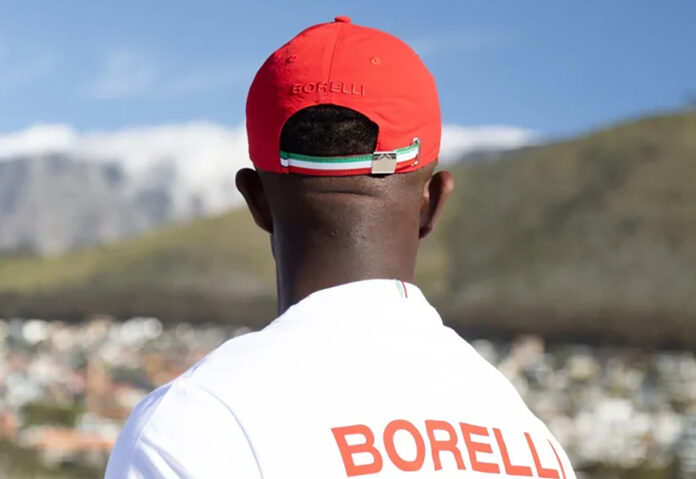

Luxury fashion brand Bogart is characterised by its stylised cursive B, a laurel wreath and shield. Now those symbols have sparked a legal battle which nearly saw the directors of emerging fashion brand Borelli don orange overalls after the Western Cape High Court found them in contempt for continuing to use branding resembling that of luxury clothing brand Bogart Man.
Bianca Da Silva-Christensen and Januss Engelbrecht narrowly escaped immediate imprisonment for disregarding an earlier court order prohibiting the use of disputed logos on clothing, accessories and promotional materials, prompting Bogart to seek 30-day suspended prison sentences against them.
Judge James Lekhuleni, who issued the contempt order in August and released his written reasons on Wednesday, instead gave the directors five days from the original ruling to comply, failing which Bogart could return to court seeking their imprisonment.
The ruling has turned a commercial contest over clothing into a bruising confrontation over intellectual property and respect for judicial authority.
Bogart Man argued that Borelli had adopted branding resembling its registered trademarks, particularly its distinctive stylised cursive letter B, a laurel wreath and a shield. The contested designs appeared on clothing, accessories and promotional materials.
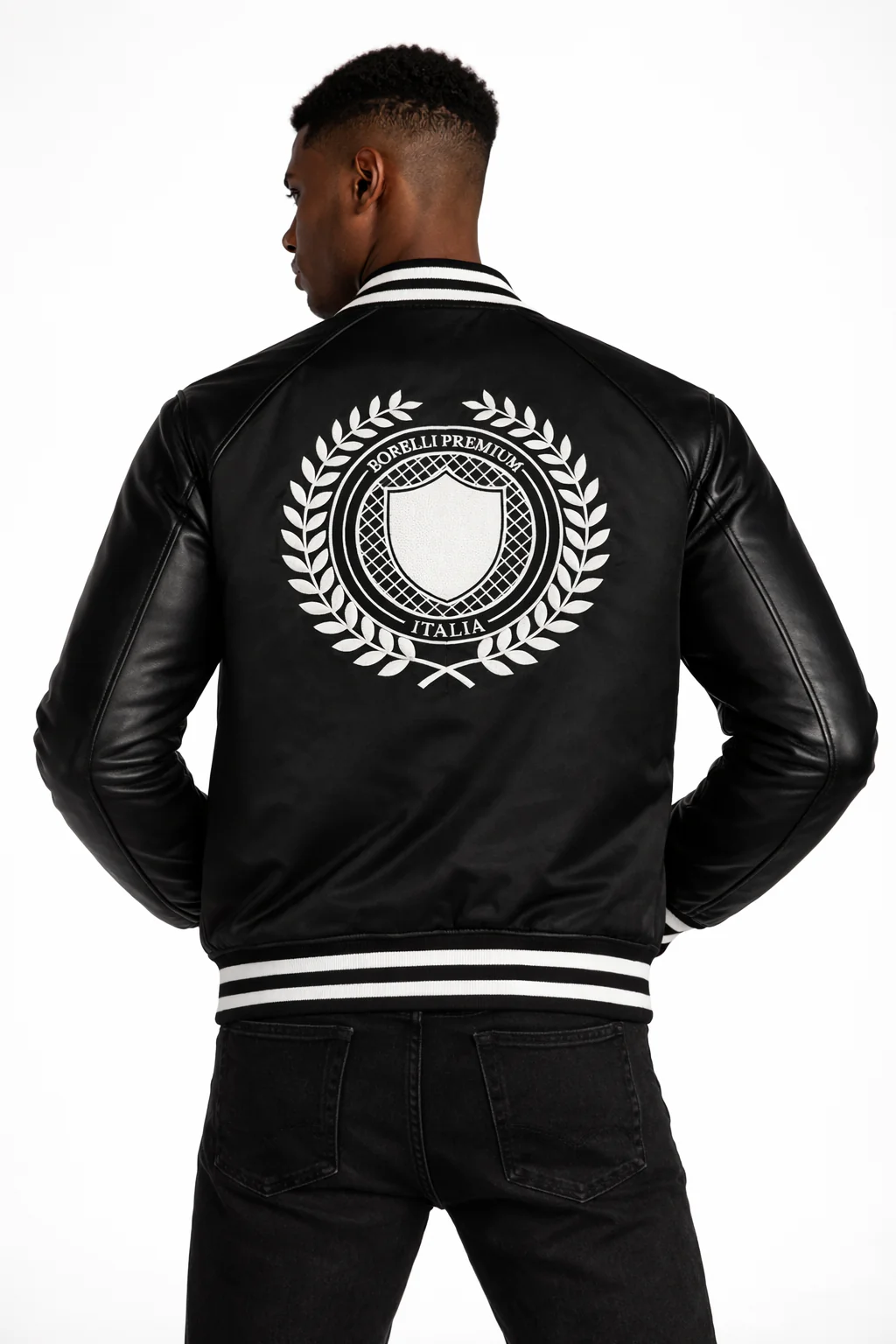
Bogart, whose name is deeply embedded in local fashion culture, argued that customers could mistakenly believe the two businesses were connected.
Borelli disagreed, maintaining that shields and laurel wreaths were common features in fashion branding.
Although the battle is over alleged trademark infringement, the court was dealing principally with whether Borelli had disobeyed a June 30 agreement, where the parties agreed to an interim order preventing Borelli from using branding resembling Bogart’s trademarks, pending final determination of the underlying dispute.
The agreement also required Borelli to remove disputed logos from its website, social media accounts, shopfronts and promotional material and to stop selling clothing and accessories bearing those marks.
Bogart’s lawyers subsequently identified several products allegedly remaining in circulation.
Judge Lekhuleni found that screenshots from social media and online product listings demonstrated continued use of the disputed branding.
“Such conduct amounts to a sheer disregard of the court order and cannot be countenanced,” he wrote.
Da Silva-Christensen and Engelbrecht were identified as Borelli’s only directors and that control became central to the judge’s finding that both directors were personally responsible for contempt.
Bogart had sought an order committing each director to 30 days in prison, with the sentences wholly suspended if the company complied within three days. Instead, the court declared the company and its directors in contempt and gave them five days from August 5 to obey the original order.
If they failed, Bogart could return to court seeking imprisonment for a period determined by the judge. No prison sentence was imposed in the ruling.
The court also authorised sheriffs, with police assistance where necessary, to search Borelli’s outlets and business premises, and seize offending merchandise if the company failed to comply.
Any seized goods would be held pending the outcome of the underlying trademark proceedings. The respondents were also ordered to pay Bogart’s legal costs.
The trademark case remains to be finally determined. Nevertheless, Judge Lekhuleni found the evidence suggested that Borelli was attempting to benefit from the goodwill associated with its established competitor.
He also rejected the suggestion that the directors could decide for themselves how far the earlier order extended. The principle was straightforward: a court order remains binding unless lawfully changed or set aside.
- Luxury fashion brand Bogart sued emerging fashion brand Borelli for using branding resembling its registered trademarks, including a stylised cursive B, laurel wreath, and shield.
- The Western Cape High Court found Borelli's directors, Bianca Da Silva-Christensen and Januss Engelbrecht, in contempt for violating a June 30 interim court order prohibiting the use of disputed logos.
- Judge James Lekhuleni gave the directors five days from August 5 to comply with the court order or face possible imprisonment, but no prison sentence was imposed in the ruling.
- The court authorized sheriffs, assisted by police if necessary, to search Borelli’s business premises and seize offending merchandise if the company failed to comply with the order.
- Borelli was ordered to pay Bogart’s legal costs, and the court emphasized that the trademark case remains to be finally determined.


