


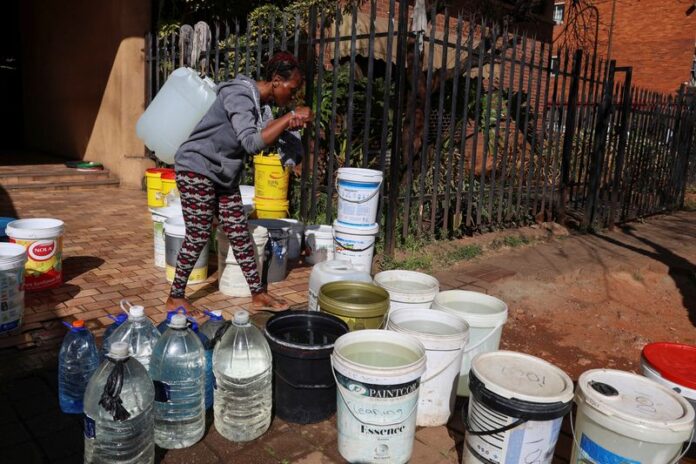
City of Tshwane Mayor Nasiphi Moya has urged residents of Bronkhorstspruit, east of Pretoria, to refrain from using tap water as authorities continue efforts to restore the safety of the area’s water supply.
The warning follows an outbreak of gastrointestinal illness last month, with more than 800 cases reported after the metro failed to treat water from the Bronkhorstspruit Water Treatment Plant with chlorine.
READ: Tshwane gastrointestinal illness cases rise to 833, confirms Water Minister
Briefing the media on progress made in repairing the treatment plant on Tuesday, Moya emphasised that the water has not yet been declared safe for human consumption, as water quality testing remains ongoing.
“I do want to appeal to residents that there have been videos that have been circulating, even by the councillors, just showing that water is coming out of the reservoirs. But we are asking, especially where the water looks okay because it looks clean, that residents must not use that water.”
Low levels of E. coli still detected
Moya further revealed that water quality tests had detected low levels of E. Coli in water discharged during the cleaning of the clear water sump.
READ MORE: Tshwane water crisis: Doctor warns residents what to watch for
“The water has not been declared safe to drink. Water quality testing has identified a low level of E. Coli in water discharge during the cleaning of the clear water sump. The necessary disinfection procedures will be repeated until testing confirms that the contamination has been eliminated,” added Moya.
She reiterated the importance of residents adhering to the warning and avoiding tap water until the necessary tests confirm that it is safe for consumption.
Independent probe to uncover root cause
Moya further revealed that the city has directed that a broader independent investigation be commissioned to get to the root cause of the water crisis.
“This is not simple a question about one individual or even a department, its about the entire chain of events, decisions and omissions that led to the crisis. Where negligence or misconduct is established, appropriate consequences must follow. This will not be affected by who wins the elections,” she said.
Rand Water warns against rushing process
The bulk water supplier for the city of Tshwane, Rand Water, Eddie Singo said the work that has been happening is decontaminating the plant.
“The message that we are trying to send is that the water is not yet ready for consumption. We know that people need water but we do not want to skip any stage of decontamination. We hope that all of the steps that are remaining will be able to clear the entire system until the consumers.”
- City of Tshwane Mayor Nasiphi Moya has urged residents of Bronkhorstspruit, east of Pretoria, to refrain from using tap water as authorities continue efforts to restore the safety of the area’s water supply.
- The warning follows an outbreak of gastrointestinal illness last month, with more than 800 cases reported after the metro failed to treat water from the Bronkhorstspruit Water Treatment Plant with chlorine.
- READ: Tshwane gastrointestinal illness cases rise to 833, confirms Water Minister Briefing the media on progress made in repairing the treatment plant on Tuesday, Moya emphasised that the water has not yet been declared safe for human consumption, as water quality testing remains ongoing.
- “I do want to appeal to residents that there have been videos that have been circulating, even by the councillors, just showing that water is coming out of the reservoirs.
- But we are asking, especially where the water looks okay because it looks clean, that residents must not use that water.” Low levels of E.


