


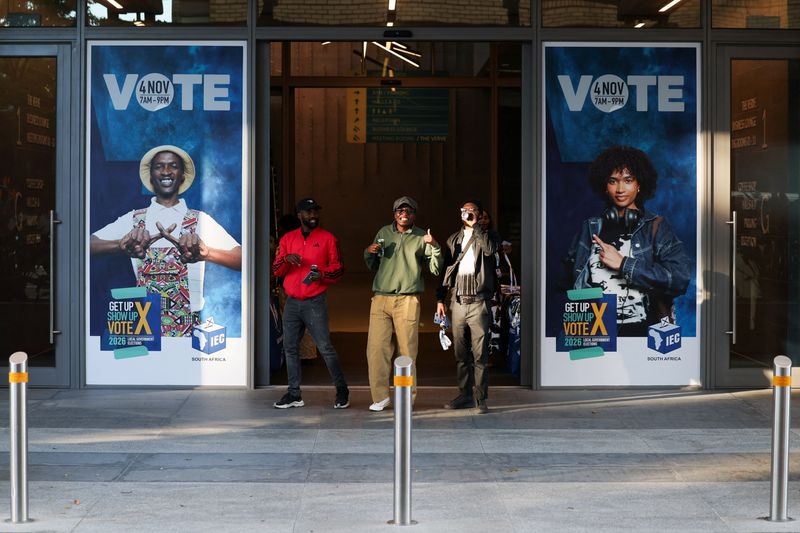
The Electoral Commission of South Africa (IEC) was scrambling to get ballot papers to voting stations in Cape Town on Monday after a massive reprinting exercise left several polling stations unable to open on time on the first day of special voting.
The IEC blamed the delays on the decision to reprint 33 million ballot papers after the commission resolved to accommodate additional political parties and candidates following a Constitutional Court ruling on October 15.
Deputy CEO of Electoral Operations Masego Sheburi said Cape Town’s ballot papers were among the last to come off the printing line, with the process only completed on Sunday, November 1.
READ: Elections 2026 | South Africa’s splintering vote sets up multi-party battle for cities
“City of Cape Town ballots are those that were in the final run of the printing process. The printing process concluded yesterday,” Sheburi said during a briefing on Monday at the National Results Operation Centre in Midrand.
At least 10 of the city’s 116 wards were affected by the delays, with voting stations still not open by 10:30am, as voters who had made arrangements to cast their ballots found themselves caught up in the logistical disruption.
The disruption affected areas including Strand, Khayelitsha, Philippi, Wynberg, Constantia, the City Bowl, Athlone, Gugulethu, Delft, Atlantis and Kraaifontein.
Monday marked the first day of special voting, which allows registered voters who cannot visit their voting stations on election day to cast their ballots in advance. This includes people who are unable to travel to voting stations because of physical limitations, as well as voters approved for home visits by IEC officials.
Sheburi said the commission had initially planned to have all ballot papers delivered to its storage facilities by October 21.
However, the Constitutional Court ruling, which admitted additional candidates in six municipalities, forced the commission to revise its election arrangements.
The IEC subsequently decided to accommodate other political parties and candidates who had also been excluded from the ballot, saying it would not be justifiable to conduct elections without them.
The decision affected millions of ballot papers that had already been printed and distributed.
READ: ANC orders forensic audit over candidate list changes before IEC deadline
“The commission, in the interest of free and fair elections, admitted other parties and their candidates. There were in total 32 such parties. What that meant was that 28 million of the ballots already printed and delivered were no longer fit for this election because they did not contain all the parties that were contesting. In that context, the commission authorised the reprinting of ballots. So, we had to reprint in total 33 million ballots,” Sheburi said.
He said the delay was compounded by the work required after printing, including packaging the ballot papers, checking their security features, numbering them correctly and binding them into booklets of 100.
Sheburi confirmed that all outstanding ballot papers for the City of Cape Town had reached the IEC’s decentralised storage facilities and were being distributed to voting stations.
The commission said it would provide a further update on the reopening of the remaining affected voting stations.
The delays drew criticism from the Economic Freedom Fighters (EFF), which accused the IEC of failing voters who had made the necessary arrangements to participate in special voting.
The party said voters had arrived at voting stations expecting to cast their ballots, only to discover that ballot papers had not been delivered.
The EFF argued that the disruption raised concerns about the commission’s preparedness and undermined voters’ constitutional and democratic rights.
It called on the IEC to ensure that ballot papers reached all affected voting stations and that voters were given clarity about when they would be able to cast their ballots.
- The IEC had to reprint 33 million ballot papers after a Constitutional Court ruling ordered additional political parties and candidates be included in the ballot.
- Cape Town's ballot papers were among the last to finish printing, with completion only on November 1, causing delays at at least 10 of the city's 116 wards.
- The reprinting was necessary because 28 million ballots previously printed did not include all contesting parties, making them unfit for the election.
- The delay also involved packaging, security checks, numbering, and binding the ballots, slowing the distribution process to voting stations.
- The Economic Freedom Fighters criticized the IEC for the delays, accusing it of failing voters who had planned to participate in special voting.
The Electoral Commission of South Africa (IEC) was scrambling to get ballot papers to voting stations in Cape Town on Monday after a massive reprinting exercise left several polling stations unable to open on time on the first day of special voting.
The IEC blamed the delays on the decision to reprint 33 million ballot papers after the commission resolved to accommodate additional political parties and candidates following a Constitutional Court ruling on October 15.
Deputy CEO of Electoral Operations Masego Sheburi said Cape Town's ballot papers were among the last to come off the printing line, with the process only completed on Sunday, November 1.
READ: Elections 2026 | South Africa's splintering vote sets up multi-party battle for cities
"City of Cape Town ballots are those that were in the final run of the printing process. The printing process concluded yesterday," Sheburi said during a briefing on Monday at the National Results Operation Centre in Midrand.
At least 10 of the city's 116 wards were affected by the delays, with voting stations still not open by 10:30am, as voters who had made arrangements to cast their ballots found themselves caught up in the logistical disruption.
The disruption affected areas including Strand, Khayelitsha, Philippi, Wynberg, Constantia, the City Bowl, Athlone, Gugulethu, Delft, Atlantis and Kraaifontein.
Monday marked the first day of special voting, which allows registered voters who cannot visit their voting stations on election day to cast their ballots in advance. This includes people who are unable to travel to voting stations because of physical limitations, as well as voters approved for home visits by IEC officials.
Sheburi said the commission had initially planned to have all ballot papers delivered to its storage facilities by October 21.
However, the Constitutional Court ruling, which admitted additional candidates in six municipalities, forced the commission to revise its election arrangements.
The IEC subsequently decided to accommodate other political parties and candidates who had also been excluded from the ballot, saying it would not be justifiable to conduct elections without them.
The decision affected millions of ballot papers that had already been printed and distributed.
READ: ANC orders forensic audit over candidate list changes before IEC deadline
"The commission, in the interest of free and fair elections, admitted other parties and their candidates. There were in total 32 such parties. What that meant was that 28 million of the ballots already printed and delivered were no longer fit for this election because they did not contain all the parties that were contesting. In that context, the commission authorised the reprinting of ballots. So, we had to reprint in total 33 million ballots," Sheburi said.
He said the delay was compounded by the work required after printing, including packaging the ballot papers, checking their security features, numbering them correctly and binding them into booklets of 100.
Sheburi confirmed that all outstanding ballot papers for the City of Cape Town had reached the IEC's decentralised storage facilities and were being distributed to voting stations.
The commission said it would provide a further update on the reopening of the remaining affected voting stations.
The delays drew criticism from the Economic Freedom Fighters (EFF), which accused the IEC of failing voters who had made the necessary arrangements to participate in special voting.
The party said voters had arrived at voting stations expecting to cast their ballots, only to discover that ballot papers had not been delivered.
The EFF argued that the disruption raised concerns about the commission's preparedness and undermined voters' constitutional and democratic rights.
It called on the IEC to ensure that ballot papers reached all affected voting stations and that voters were given clarity about when they would be able to cast their ballots.


