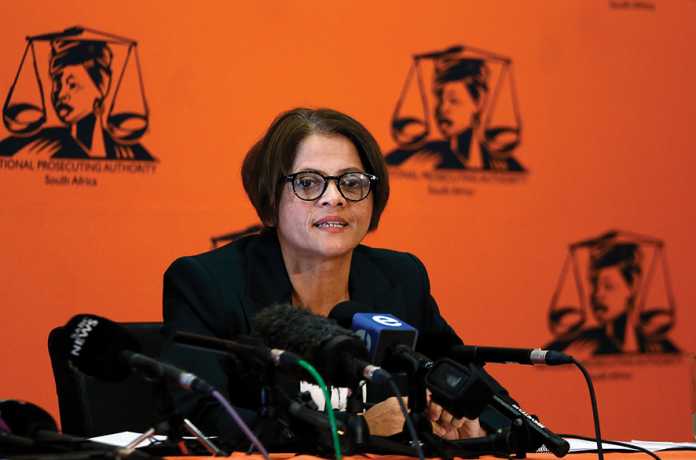
Allegations of misconduct against Adv. Hermione Cronje, one of the leading candidates, have thrown the selection process for South Africa’s next national director of public prosecutions (NDPP) into disarray.
In a formal objection submitted by Barnabas Xulu, the director of B Xulu and Partners Incorporated, Cronje is accused of criminal conduct, information peddling, and undermining anti-corruption efforts during her tenure as the head of the investigating directorate at the National Prosecuting Authority (NPA).
In the letter dated December 14, Xulu demanded that the advisory panel overseeing the selection process withdraw its report to the president, citing “gross irregularities that render the entire process unlawful”.
Credibility of process questioned
“The advisory panel’s conduct in the circumstances has tainted the credibility of the process, and we are of the considered view that the advisory panel’s report cannot stand legal muster,” reads the letter in part.
The allegations stem from Cronje’s alleged failure to address a 99-page objection submitted against her candidacy on December 4.
Xulu asserts that Cronje did not receive the objection before her interview on December 11, which prevented her from responding to the allegations.
“No reasons were proffered by the panel for not providing Advocate Cronje with the objection,” Xulu wrote, adding that Cronje instead publicly maligned him for raising the objection without addressing its substance.
The objection accuses Cronje of engaging in criminal conduct by unlawfully disclosing confidential NPA information to external parties.
Xulu alleges that Cronje admitted to such behaviour during her interview.
“There aren’t any of the four NDPPs who will be there next year. So says my intel in the NPA… As I said, I have good intel in the institution, and so all four positions are up for grabs.”
Xulu claims this statement is a “clear admission” of her involvement in the unlawful exchange of confidential information.
NPA documentation allegedly leaked
The allegations also focus on Cronje’s role in the Bengis matter, a high-profile international case involving the repatriation of funds from illegal fishing activities.
Xulu alleges that Cronje leaked internal NPA documentation to external litigants, including her colleague, Adv. Nasreen Bawa SC, to bolster litigation efforts.
He states: “Our objection specifically alleged that this is criminal conduct in terms of Section 41(6) of the National Prosecuting Authority Act.”
Furthermore, Cronje is accused of frustrating the implementation of the Bengis funds programmes, which were intended to combat corruption in South Africa’s fisheries sector.
Xulu also says that Cronje worked closely with the Department of Agriculture, Forestry, and Fisheries and the NPA leaders to block these efforts, which led to South Africa not meeting its international commitments under the settlement agreement.
The advisory panel has also come under fire for its handling of the objection.
Xulu alleges that the panel demonstrated bias by failing to question Cronje rigorously on the allegations against her, while other candidates were subjected to more scrutiny.
“The failure of the panel to question her about this conduct lends further credence to the thrust of our core allegation of dereliction of duty against the panel,” Xulu stated.
Integrity of selection process
In response to the objection, the secretariat of the NDPP panel acknowledged receipt of the complaint.
“Your input is invaluable in ensuring transparency and inclusivity in this important process. All comments are duly noted and will be considered when making a decision,” the secretariat said.
As the president prepares to decide upon the next NDPP, Xulu has warned that he will seek interdictory relief against the advisory panel if his demands are not addressed.
“We request that you give us this undertaking in writing within 48 hours,” he wrote.
The allegations against Cronje have raised serious questions about the integrity of the NDPP selection process and the standards of accountability for public officials.
With the nation’s prosecutorial leadership in jeopardy, all eyes are on the advisory panel and the president as they navigate this controversy.
- Allegations of misconduct against Adv.
- Hermione Cronje, one of the leading candidates, have thrown the selection process for South Africa’s next national director of public prosecutions (NDPP) into disarray.
- In a formal objection submitted by Barnabas Xulu, the director of B Xulu and Partners Incorporated, Cronje is accused of criminal conduct, information peddling, and undermining anti-corruption efforts during her tenure as the head of the investigating directorate at the National Prosecuting Authority (NPA).
- In the letter dated December 14, Xulu demanded that the advisory panel overseeing the selection process withdraw its report to the president, citing “gross irregularities that render the entire process unlawful”.
- Credibility of process questioned “The advisory panel’s conduct in the circumstances has tainted the credibility of the process, and we are of the considered view that the advisory panel’s report cannot stand legal muster,” reads the letter in part.