


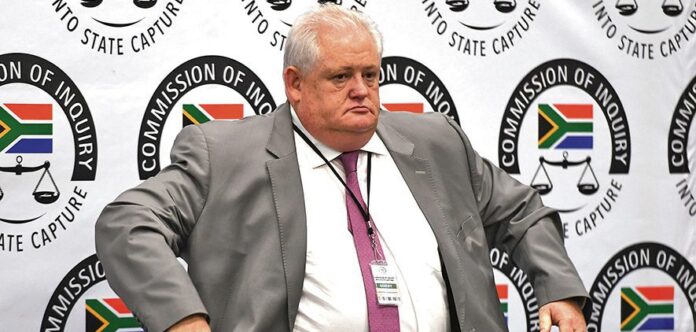
Former Bosasa Chief Operating Officer Angelo Agrizzi has been ordered to pay the State more than R1.66 billion, following a confiscation judgment delivered by the Pretoria High Court.
The order, handed down by Judge Joseph Mosopa, directs Agrizzi to pay R1 666 582 825.73, together with interest from the date of judgment until the amount is settled in full.
The confiscation order follows Agrizzi’s conviction and sentence on November 6, 2025, after he entered into a plea and sentence agreement with the State. He pleaded guilty to three counts of corruption and one count of money laundering arising from his involvement in Bosasa’s corrupt activities.
However, the confiscation of the proceeds of crime was not dealt with as part of the plea agreement. Instead, the matter was determined through a separate confiscation enquiry, which was heard on July 30, 2026.
READ: Former Bosasa boss Angelo Agrizzi pleads guilty in graft case, sentenced to 10 years
Court rejects Agrizzi’s argument on proceeds of corruption
In its judgment, the court considered admissions detailing an entrenched system of corruption allegedly used to secure and retain lucrative government contracts. Agrizzi was personally involved in preparing cash bundles that were used to bribe public officials.
The confiscation proceedings focused on the financial benefits Agrizzi derived from his criminal conduct and sufficiently related unlawful activities, rather than being limited to the specific payments identified in the criminal charges.
The State argued that Agrizzi’s participation in Bosasa’s joint criminal enterprise meant that the proceeds of the unlawful operation could be attributed to him. It maintained that his financial liability should not be restricted to the amounts he could demonstrate he had personally received or retained.
READ MORE: Justice minister probes missing Bosasa evidence after documents destroyed in fire
Mosopa accepted the central thrust of the State’s argument, finding that Agrizzi’s involvement in the unlawful enterprise and the benefits flowing from it could not be separated in the manner he had proposed.
In the judgment, Mosopa also found that Agrizzi had failed to make full disclosure of his financial affairs and had concealed property, including assets abroad.
“The court is not satisfied that the amount likely to be realised from his assets would be less than the value of the proceeds attributed to him. It therefore declines to reduce or limit the confiscation order on that basis,” said Mosopa.
Confiscation aims to ensure crime does not pay
Welcoming the ruling, the National Director of Public Prosecutions (NDPP), Advocate Andy Mothibi said the judgment demonstrated the potentially significant financial consequences for individuals who knowingly participate in or facilitate corrupt enterprises.
“It also reinforced the principle that the criminal justice system must go beyond securing convictions and imposing sentences to pursue the financial benefits derived from criminal activity,” he said.
R1.66bn order does not mean money has been recovered
Despite the amount involved, the confiscation order does not mean that the State has already recovered R1.66 billion.
Instead, it creates a legal obligation for Agrizzi to pay the amount determined by the court. The actual amount ultimately recovered will depend on the assets available for realisation and the enforcement process.
READ: Former Mpumalanga premier Thabang Makwetla in court over R350 000 Bosasa benefits
The court also ordered Agrizzi to pay the legal costs of the proceedings, including the costs of two counsel.
In addition, it directed that the fees of the curator bonis, Johan Engelbrecht of Icon Insolvency Practitioners, be paid from money derived from Agrizzi’s realisable property and paid to the State.
- Former Bosasa Chief Operating Officer Angelo Agrizzi has been ordered to pay the State more than R1.66 billion, following a confiscation judgment delivered by the Pretoria High Court.
- The order, handed down by Judge Joseph Mosopa, directs Agrizzi to pay R1 666 582 825.73, together with interest from the date of judgment until the amount is settled in full.
- The confiscation order follows Agrizzi’s conviction and sentence on November 6, 2025, after he entered into a plea and sentence agreement with the State.
- He pleaded guilty to three counts of corruption and one count of money laundering arising from his involvement in Bosasa’s corrupt activities.
- However, the confiscation of the proceeds of crime was not dealt with as part of the plea agreement.
Former Bosasa Chief Operating Officer Angelo Agrizzi has been ordered to pay the State more than R1.66 billion, following a confiscation judgment delivered by the Pretoria High Court.
The order, handed down by Judge Joseph Mosopa, directs Agrizzi to pay R1 666 582 825.73, together with interest from the date of judgment until the amount is settled in full.
The confiscation order follows Agrizzi's conviction and sentence on November 6, 2025, after he entered into a plea and sentence agreement with the State. He pleaded guilty to three counts of corruption and one count of money laundering arising from his involvement in Bosasa's corrupt activities.
However, the confiscation of the proceeds of crime was not dealt with as part of the plea agreement. Instead, the matter was determined through a separate confiscation enquiry, which was heard on July 30, 2026.
READ: Former Bosasa boss Angelo Agrizzi pleads guilty in graft case, sentenced to 10 years
In its judgment, the court considered admissions detailing an entrenched system of corruption allegedly used to secure and retain lucrative government contracts. Agrizzi was personally involved in preparing cash bundles that were used to bribe public officials.
The confiscation proceedings focused on the financial benefits Agrizzi derived from his criminal conduct and sufficiently related unlawful activities, rather than being limited to the specific payments identified in the criminal charges.
The State argued that Agrizzi's participation in Bosasa's joint criminal enterprise meant that the proceeds of the unlawful operation could be attributed to him. It maintained that his financial liability should not be restricted to the amounts he could demonstrate he had personally received or retained.
READ MORE: Justice minister probes missing Bosasa evidence after documents destroyed in fire
Mosopa accepted the central thrust of the State's argument, finding that Agrizzi's involvement in the unlawful enterprise and the benefits flowing from it could not be separated in the manner he had proposed.
In the judgment, Mosopa also found that Agrizzi had failed to make full disclosure of his financial affairs and had concealed property, including assets abroad.
"The court is not satisfied that the amount likely to be realised from his assets would be less than the value of the proceeds attributed to him. It therefore declines to reduce or limit the confiscation order on that basis," said Mosopa.
Welcoming the ruling, the National Director of Public Prosecutions (NDPP), Advocate Andy Mothibi said the judgment demonstrated the potentially significant financial consequences for individuals who knowingly participate in or facilitate corrupt enterprises.
"It also reinforced the principle that the criminal justice system must go beyond securing convictions and imposing sentences to pursue the financial benefits derived from criminal activity," he said.
Despite the amount involved, the confiscation order does not mean that the State has already recovered R1.66 billion.
Instead, it creates a legal obligation for Agrizzi to pay the amount determined by the court. The actual amount ultimately recovered will depend on the assets available for realisation and the enforcement process.
READ: Former Mpumalanga premier Thabang Makwetla in court over R350 000 Bosasa benefits
The court also ordered Agrizzi to pay the legal costs of the proceedings, including the costs of two counsel.
In addition, it directed that the fees of the curator bonis, Johan Engelbrecht of Icon Insolvency Practitioners, be paid from money derived from Agrizzi's realisable property and paid to the State.


