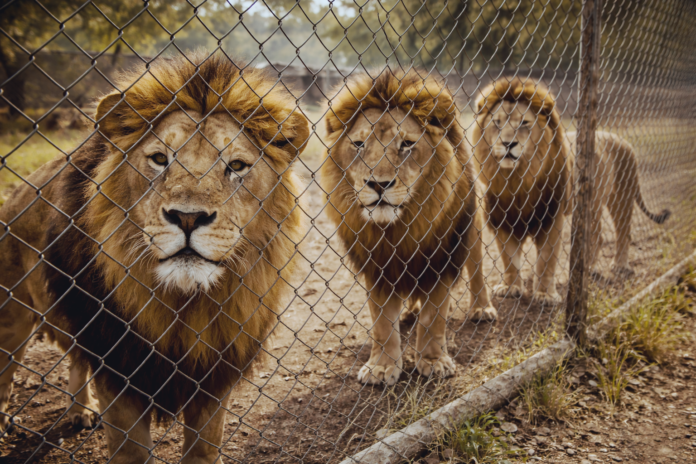
Mpumalanga has slammed the door on the expansion of captive lion tourism, placing a ban on the issuing of permits for new facilities as the province begins phasing out the controversial industry.
The move strikes at a sector that for years drew international tourists eager to bottle the African wilderness, even if behind fences.
Ban on captive lion facilities
This week, the Mpumalanga Tourism and Parks Agency (MTPA) confirmed that no new captive lion facilities will be authorised in the province, captive breeding will not be permitted, and the importation of captive lions from other provinces will be progressively phased out.
“The Mpumalanga Tourism and Parks Agency fully supports the national initiatives approved by Cabinet of South Africa in April 2024, which are aimed at the responsible, lawful, and humane closure of the captive lion industry in South Africa,” said MTPA spokesperson Simphiwe Shungube in a media statement.
Animal welfare concern
Currently, South Africa holds 8,000–12,000 captive lions across more than 300 facilities, outnumbering wild lions 4 to 1. Bred for tourism, trophy hunting, and the illegal bone trade, these animals face poor welfare, including unnatural, cramped conditions. The government is now moving to ban this industry, with voluntary, accelerated exit options for owners.
According to the agency, the decision forms part of the implementation of the Policy Position on the Conservation and Sustainable Use of Elephants, Lions, Leopards, and Rhinoceroses 2024, as well as the Voluntary Exit Programme coordinated by the Ministerial Task Team.
“Accordingly, no permits will be issued for the establishment of new captive lion facilities, captive breeding of lions will not be permitted in the province, and the importation of captive lions from other provinces will be progressively phased out,” Shungube said.
Mpumalanga, home to parts of the Kruger National Park and a cornerstone of South Africa’s safari economy, has long marketed itself as a premier wildlife destination. For some visitors, captive lion interactions, including cub petting and lion walks to private game lodges, formed part of that appeal.
Shift to ethical tourism
Now, the province is pivoting towards what it describes as ethical, conservation led tourism.
“The MTPA remains firmly aligned with national policy directives that seek to strengthen animal welfare and well-being, enhance conservation integrity, and ensure that South Africa’s wildlife management practices are ethical, transparent, and internationally credible,” Shungube said.
While the ban halts expansion, existing facilities will not be shut down overnight. Instead, the agency says it will oversee a structured transition to ensure compliance and animal welfare.
“During this transition period, the Agency is committed to ensuring that all captive lion facilities in Mpumalanga continue to comply fully with existing legislative and regulatory requirements,” Shungube said.
Sterilisation programme
The MTPA will also work with manifold roleplayers to implement a coordinated sterilisation programme aimed at preventing further breeding.
“All lions currently housed in captive facilities must be managed in accordance with approved animal welfare and well-being standards,” Shungube added.
The agency framed the move as both a conservation imperative and a reputational safeguard.
“As one of South Africa’s premier and internationally renowned wildlife destinations, Mpumalanga places a strong emphasis on in situ conservation through extensive wildlife systems that enhance the province’s biodiversity and cultural heritage,” Shungube said.
“By responsibly phasing out the captive lion industry, the province is safeguarding animal welfare and biodiversity while creating new opportunities for sustainable economic growth, job creation, and international recognition.”
The agency has invited conservation partners and investors to redirect their focus towards nature reserves and conservation-based tourism initiatives.
Through what it calls collaboration, innovation, and steadfast adherence to national conservation policies, the MTPA insists Mpumalanga will continue strengthening South Africa’s reputation as a world class wildlife destination.
For tourists who travelled thousands of kilometres for close encounters with captive lions, the message is unmistakable. The province’s future belongs to wild horizons, not wire fences.
- Mpumalanga has slammed the door on the expansion of captive lion tourism, placing a ban on the issuing of permits for new facilities as the province begins phasing out the controversial industry.
- The move strikes at a sector that for years drew international tourists eager to bottle the African wilderness, even if behind fences.
- Ban on captive lion facilities This week, the Mpumalanga Tourism and Parks Agency (MTPA) confirmed that no new captive lion facilities will be authorised in the province, captive breeding will not be permitted, and the importation of captive lions from other provinces will be progressively phased out.
- “The Mpumalanga Tourism and Parks Agency fully supports the national initiatives approved by Cabinet of South Africa in April 2024, which are aimed at the responsible, lawful, and humane closure of the captive lion industry in South Africa,” said MTPA spokesperson Simphiwe Shungube in a media statement.
- Animal welfare concern Currently, South Africa holds 8,000–12,000 captive lions across more than 300 facilities, outnumbering wild lions 4 to 1.