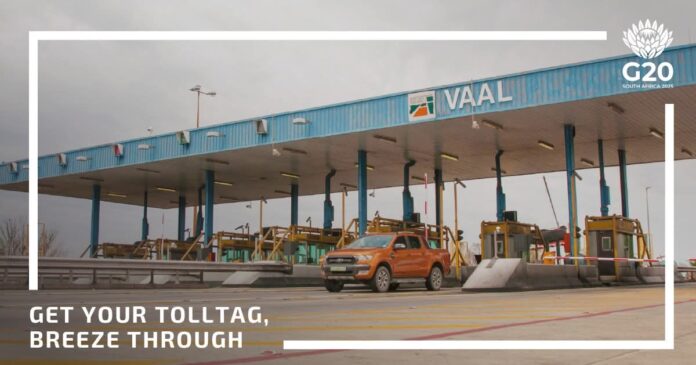
Motorists using South Africa’s toll routes will soon dig slightly deeper into their pockets after Sanral confirmed a 3.12% tariff increase effective March 1, 2026.
The adjustment, published in the Government Gazette on February 5, follows the annual review linked to the Consumer Price Index (CPI) as determined by Statistics South Africa.
The agency said the increase is lower than last year’s 4.85% adjustment.
Sanral’s general manager for communications and marketing, Vusi Mona, said toll revenue remains critical to sustaining the country’s national road network.
Maintaining quality road infrastructure
“The funds go a long way towards ensuring that Sanral fulfils its mandate of delivering quality road infrastructure that adds value to the lives of South African citizens,” said Mona.
He added that national roads are more than strips of tar connecting cities. They underpin economic activity and service delivery.
“Key economic infrastructure, such as the national road network, is a precondition for providing basic services. These include … electricity, water, sanitation, telecommunications and public transport. And this road network therefore needs to meet industrial, commercial and household needs,” he said.
According to Sanral, toll revenue is used to maintain, operate and improve toll roads. As well as to service debt incurred to implement toll road projects.
Unavoidable financial pressure on the public
Mona acknowledged the financial pressure facing households and businesses.
“Sanral is empathetic to the South African public, considering the current state of the economy. However, it is equally important to introduce the adjustments. This aims to ensure that the agency continues to deliver safe and quality roads. And it is to the benefit of all road users,” he added.
The increase will affect all toll plazas managed by Sanral across the country.
For daily commuters and long-distance transport operators, the hike may appear modest on paper. Yet over months and kilometres, the compounding cost will be felt. Particularly along heavily travelled freight corridors. Ones that keep goods moving between provinces and across borders.
Still, Sanral insists that without incremental increases aligned to inflation, the long-term sustainability of the road network would be compromised.
- Motorists using South Africa’s toll routes will soon dig slightly deeper into their pockets after Sanral confirmed a 3.12% tariff increase effective March 1, 2026.
- The adjustment, published in the Government Gazette on February 5, follows the annual review linked to the Consumer Price Index (CPI) as determined by Statistics South Africa.
- The agency said the increase is lower than last year’s 4.85% adjustment.
- Sanral’s general manager for communications and marketing, Vusi Mona, said toll revenue remains critical to sustaining the country’s national road network.
- Maintaining quality road infrastructure “The funds go a long way towards ensuring that Sanral fulfils its mandate of delivering quality road infrastructure that adds value to the lives of South African citizens,” said Mona.