


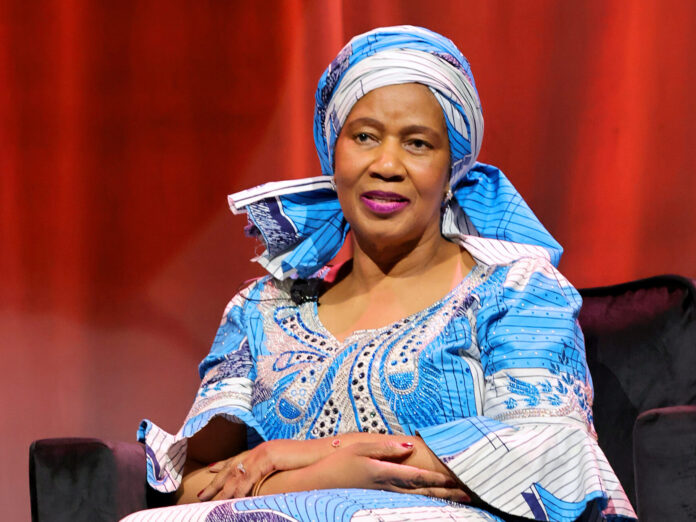
Acting President Paul Mashatile has announced the passing of former deputy president and global gender equality champion Phumzile Mlambo-Ngcuka.
In a statement issued by the Presidency on Friday evening, Mashatile said he had learned of her passing with shock and sadness, extending condolences to the Mlambo-Ngcuka family on behalf of President Cyril Ramaphosa, the government, and the people of South Africa.
“The Acting President will communicate further details after due consultation with the family,” the Presidency said. “The family has asked for privacy at this time, whilst they deeply appreciate ongoing messages from South Africans and the global community.”
A trailblazer in South African politics
Born in Clermont, KwaZulu-Natal, on November 3, 1955, Mlambo-Ngcuka began her career as a teacher and youth activist before becoming one of the most prominent women in post-apartheid governance.
After obtaining a Bachelor of Arts in Education from the National University of Lesotho in 1980, she taught at Ohlange High School in KwaZulu-Natal and later served as the first president of the Natal Organisation of Women (NOW), an affiliate of the United Democratic Front (UDF). She also worked internationally as the youth director for the World Young Women’s Christian Association (YWCA) in Geneva during the 1980s.
Following South Africa’s first democratic elections in 1994, Mlambo-Ngcuka entered Parliament as a member of the ANC and chaired the Public Service and Administration Portfolio Committee. Her rise through the executive saw her serve in several key portfolios:
-
Deputy Minister of Trade and Industry (1996–1999)
-
Minister of Minerals and Energy (1999–2005)
-
Acting Minister of Arts, Culture, Science and Technology (February–April 2004)
Advertisement
In June 2005, then-president Thabo Mbeki appointed her as Deputy President of South Africa, making her the first woman to hold the country’s second-highest office. During her tenure, she championed the Accelerated and Shared Growth Initiative for South Africa (AsgiSA) and the Joint Initiative on Priority Skills Acquisition (JIPSA) to address structural unemployment and skills shortages. She resigned in September 2008 following Mbeki’s recall by the ANC.
Global leadership and later years
After leaving government, Mlambo-Ngcuka founded the Umlambo Foundation to support school leadership and education in underserved communities. She also completed her doctorate in education and technology at the University of Warwick in 2013.
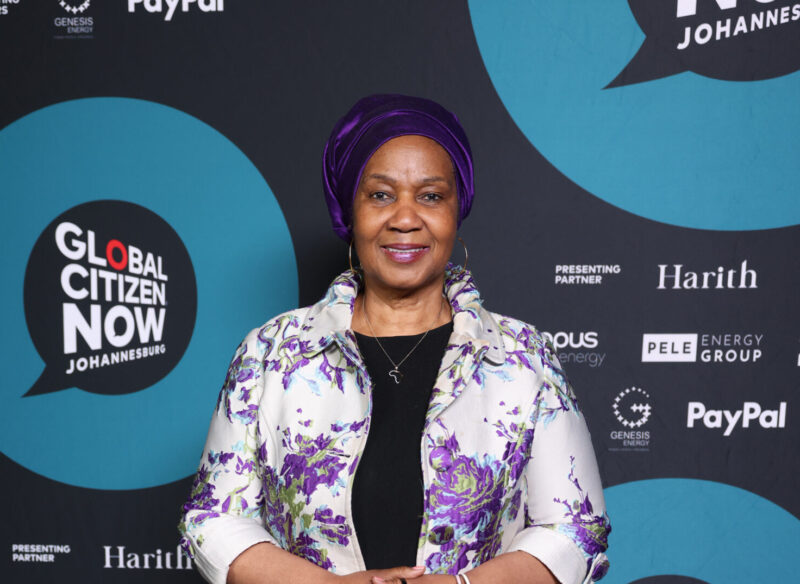
Later that year, she took her advocacy to the global stage when UN Secretary-General Ban Ki-moon appointed her as United Nations Under-Secretary-General and Executive Director of UN Women. Serving two terms until August 2021, she spearheaded major international initiatives, including the HeForShe solidarity campaign and the Generation Equality Forum, which mobilised billions of dollars in commitments toward women’s rights.
In recent years, she had remained active in academia and public life, serving as Chancellor of the University of Johannesburg from 2022.
Mlambo-Ngcuka is survived by her husband, former National Director of Public Prosecutions Bulelani Ngcuka, and their family.
- Former deputy president Phumzile Mlambo-Ngcuka has passed away, as announced by Acting President Paul Mashatile.
- Mlambo-Ngcuka was South Africa's first female deputy president, serving from 2005 until her resignation in 2008.
- She was a global gender equality champion, serving as UN Women Executive Director from 2013 to 2021.
- Her career included roles such as Minister of Minerals and Energy, chair of a parliamentary committee, and Chancellor of the University of Johannesburg.
- Mlambo-Ngcuka is survived by her husband Bulelani Ngcuka and their family; details of her funeral are pending family consultation.
🎧 Listen to this article
Acting President Paul Mashatile has announced the passing of former deputy president and global gender equality champion Phumzile Mlambo-Ngcuka.
In a statement issued by the Presidency on Friday evening, Mashatile said he had learned of her passing with shock and sadness, extending condolences to the Mlambo-Ngcuka family on behalf of President Cyril Ramaphosa, the government, and the people of South Africa.
“The Acting President will communicate further details after due consultation with the family,” the Presidency said. “The family has asked for privacy at this time, whilst they deeply appreciate ongoing messages from South Africans and the global community.”
Born in Clermont, KwaZulu-Natal, on November 3, 1955, Mlambo-Ngcuka began her career as a teacher and youth activist before becoming one of the most prominent women in post-apartheid governance.
After obtaining a Bachelor of Arts in Education from the National University of Lesotho in 1980, she taught at Ohlange High School in KwaZulu-Natal and later served as the first president of the Natal Organisation of Women (NOW), an affiliate of the United Democratic Front (UDF). She also worked internationally as the youth director for the World Young Women's Christian Association (YWCA) in Geneva during the 1980s.
Following South Africa’s first democratic elections in 1994, Mlambo-Ngcuka entered Parliament as a member of the ANC and chaired the Public Service and Administration Portfolio Committee. Her rise through the executive saw her serve in several key portfolios:
-
Deputy Minister of Trade and Industry (1996–1999)
-
Minister of Minerals and Energy (1999–2005)
-
Acting Minister of Arts, Culture, Science and Technology (February–April 2004)
In June 2005, then-president Thabo Mbeki appointed her as Deputy President of South Africa, making her the first woman to hold the country's second-highest office. During her tenure, she championed the Accelerated and Shared Growth Initiative for South Africa (AsgiSA) and the Joint Initiative on Priority Skills Acquisition (JIPSA) to address structural unemployment and skills shortages. She resigned in September 2008 following Mbeki’s recall by the ANC.
After leaving government, Mlambo-Ngcuka founded the Umlambo Foundation to support school leadership and education in underserved communities. She also completed her doctorate in education and technology at the University of Warwick in 2013.
Later that year, she took her advocacy to the global stage when UN Secretary-General Ban Ki-moon appointed her as United Nations Under-Secretary-General and Executive Director of UN Women. Serving two terms until August 2021, she spearheaded major international initiatives, including the HeForShe solidarity campaign and the Generation Equality Forum, which mobilised billions of dollars in commitments toward women's rights.
In recent years, she had remained active in academia and public life, serving as Chancellor of the University of Johannesburg from 2022.
Mlambo-Ngcuka is survived by her husband, former National Director of Public Prosecutions Bulelani Ngcuka, and their family.


