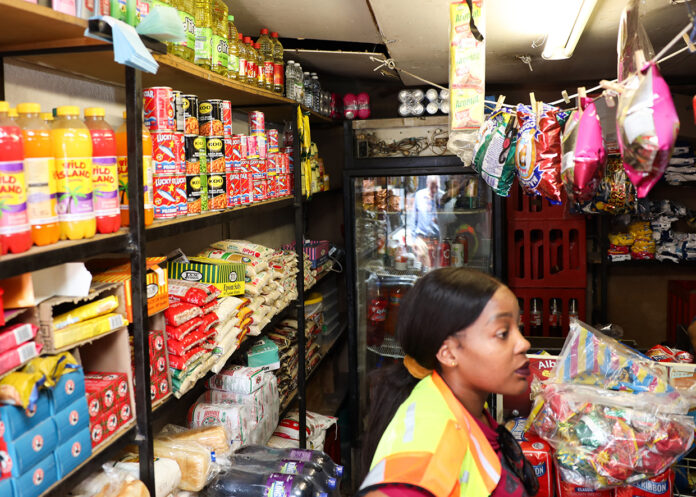
A fresh food poisoning scare has gripped Mpumalanga after 40 learners from Ekwazini Secondary School in Embalenhle, near Secunda, were rushed to hospital, raising renewed fears over the safety of snacks sold near schools.
The incident, which unfolded on Tuesday, saw learners fall ill, with symptoms ranging from stomach cramps to nausea, shortly after consuming a snack known as Krunchy Nax.
The province’s education department spokesperson, Jasper Zwane, reported a rapid escalation of the situation following the first reported cases.
“Preliminary reports indicate that several learners began experiencing symptoms consistent with food poisoning after consuming snacks known as Krunchy Nax,” Zwane said.
“Three learners initially reported stomach cramps, prompting the school to act swiftly and request medical assistance.
“As additional learners presented with similar symptoms, a total of 40 learners were transported to the nearby hospital for further assessment and observation.”
Urgent investigation underway
Zwane said the department was relieved that the situation did not turn fatal.
“We are encouraged to report that, according to the latest updates from the hospital, all affected learners are in a stable and non-critical condition and have since been discharged.”
The incident has triggered an urgent investigation, with health inspectors dispatched to determine the source of the contamination.
“Samples of the suspected snacks, along with other food items and water sources, have been collected for laboratory testing.
“The department awaits the outcomes of these tests, which will assist in determining the exact cause of the incident,” Zwane said.
Authorities are once again raising the alarm about unsafe food sold through informal channels, even though the immediate danger appears to have passed.
“The Mpumalanga department of education once again makes a clarion call to parents and guardians to guide, caution, and educate their children about the dangers of purchasing and consuming snacks from unverified and informal shops.”
He stressed that responsibility extends beyond the school gate.
“Prevention begins at home. Parents and guardians are urged to have ongoing conversations with their children about food safety and the risks associated with unregulated products,” he said.
The department also praised the rapid response by the school and emergency services.
“The school acted promptly and responsibly, working closely with local health authorities to ensure that learners received immediate and appropriate medical care,” Zwane said.
The Mpumalanga scare comes against the backdrop of a national food safety crisis that has disproportionately affected schoolchildren over the past two years.
Six children die in Naledi
In 2024 alone, at least 23 children died in Gauteng, and more than 441 cases were recorded, while about 3 000 suspected cases were reported nationwide.
Several of those incidents were linked to highly toxic pesticides such as terbufos, often illegally sold and stored alongside food in township shops.
The deaths of six children in Naledi, Soweto, after consuming contaminated snacks marked one of the darkest moments of the crisis, prompting government crackdowns on spaza shops and tighter food safety controls.
Despite those interventions, incidents like the one in Mpumalanga suggest that the danger lingers in communities where informal food trading remains widespread and difficult to regulate.
Officials say they will continue to monitor the situation at Ekwazini Secondary School while they process the laboratory results.
“The department will continue to closely monitor developments at the school and will provide updates as more information becomes available,” Zwane said.