


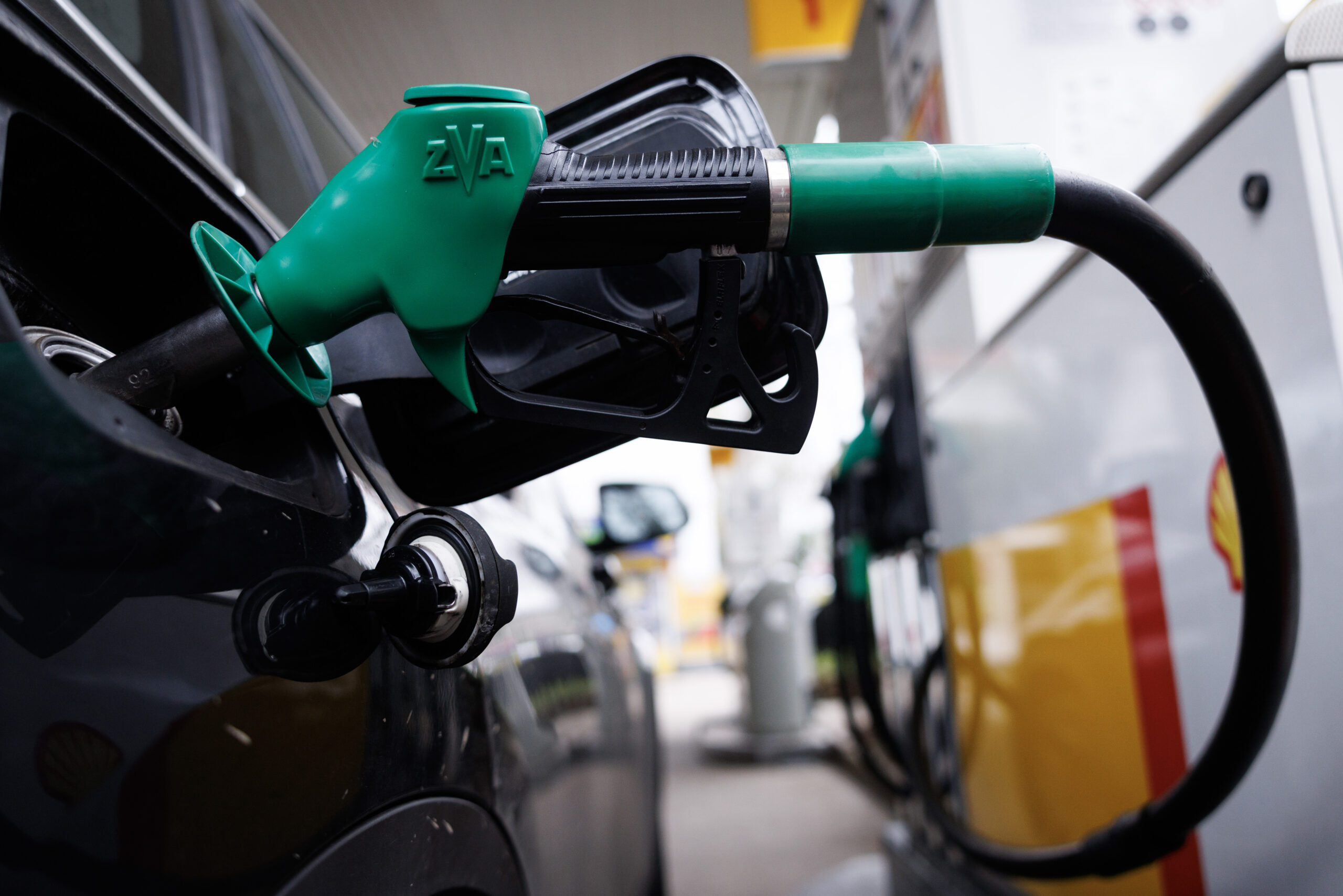
- 95 Unleaded (Gauteng): Up by R3.33 to R30.25/l
- 95 Unleaded (Coastal): Up to R29.38/l
- 93 Unleaded (Gauteng): Up by R3.12 to R30.04/l
- Wholesale Diesel (0.05%): Up by R2.84 to R31.96/l (Gauteng)
- Wholesale Diesel (0.005%): Up by R3.24 to a higher rate
- Illuminating Paraffin: Maximum retail up by R4.77/l
Reasons for the fuel price hike
Brent crude prices had jumped from $87.89 to more than $101 a barrel, with the ongoing US and Iran conflict contributing greatly. Shipping through the Strait of Hormuz remains a live concern which means there is little hope of prices making a significant recovery anytime soon.
According to the department, global shipping costs have also climbed, and inventories are tightening.
ALSO READ: Middle East war shock extends from oil fields to your wallet
Taxi fares, delivery fees and grocery costs are likely to follow the fuel prices upward, as nearly all food is transported by truck.
Following previous price hikes, taxi operators across the country implemented fare increases starting at R2, and according to June inflation data, minibus taxi fares have risen 11.5% month-on-month, e-hailing 8.7% and long-distance buses 8.4%.
- Petrol and diesel prices in South Africa are expected to exceed R30 per litre following price adjustments announced on Monday.
- 95 Unleaded petrol in Gauteng will increase by R3.33 to R30.25 per litre, and wholesale diesel (0.05%) will rise by R2.84 to R31.96 per litre.
- The fuel price hike is attributed to Brent crude prices rising from $87.89 to over $101 per barrel, influenced by the US-Iran conflict and shipping concerns through the Strait of Hormuz.
- Global shipping costs have increased, and inventories are tightening, contributing to the fuel price surge.
- Taxi fares and delivery fees across South Africa have increased in response to higher fuel costs, with minibus taxi fares rising 11.5% month-on-month in June.


