


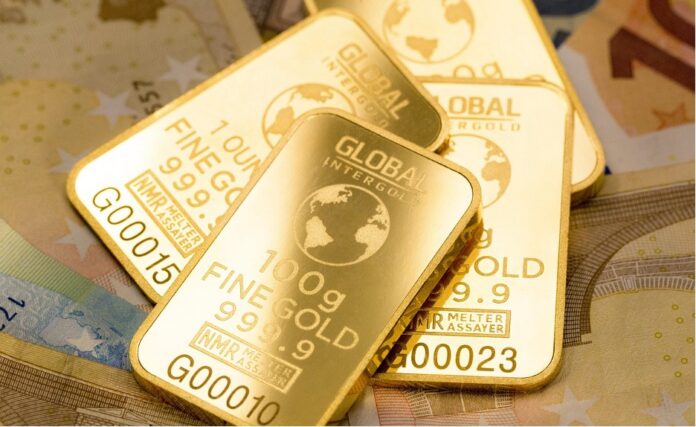
Gold producer DRDGOLD reported higher headline earnings for the six months ended December 31. The soaring price of gold assisted in lifting profits and cash generation to R1.9-billion, even as production declined in the first half of the year.
Gold production dropped by 9% to 2, 337kg compared to the 2, 564kg production for the same period in 2024, but the company sold 2, 388kg of gold, generating revenue of R5.1-billion.
DRDGOLD identified the price of gold as the main driver of performance. It said the average price received reached R2, 114 227 per kg.
Company’s Vision 2028 strategy
The company said operating performance remained in line with guidance. It was supported by steady throughput at Far West Gold Recoveries (FWGR). And it continued optimisation at Ergo, which is operating at reduced throughput while transitioning toward the company’s Vision 2028 strategy.
Improved cash generation allowed DRDGOLD to fund R1.65-billion in capital reinvestment from operating cash flows and increase its cash balance by R428-million to R1.7-billion.
The group declared an interim dividend of 50 cents per share. This is up from 30 cents previously, and marks its 19th consecutive year of dividend payments.
The group said electricity costs at Ergo dropped by 23% due to the contribution from the Ergo Solar Plant and battery storage system.
Renewable energy
It also continued to reduce its reliance on grid power and support renewable energy initiatives.
The group recently sold its Ergo’s stake in the Stellar solar project to Net ZerO Africa (NOA) Group Assets to focus on mining activities.
They also expanded its resource base with the addition of nearly 67-million tonnes of material. This was following the transfer of Kloof 2 dump from Sibanye-Stillwater to Far West Gold Recoveries (FWGR).
In the six months, the company also faced several industry challenges. These include wage negotiations and a national shortage of sodium cyanide after supply disruptions linked to Sasol. Sodium cyanide is a chemical used in gold extraction.
- Gold producer DRDGOLD reported higher headline earnings for the six months ended December 31.
- The soaring price of gold assisted in lifting profits and cash generation to R1.9-billion, even as production declined in the first half of the year.
- Gold production dropped by 9% to 2, 337kg compared to the 2, 564kg production for the same period in 2024, but the company sold 2, 388kg of gold, generating revenue of R5.1-billion.
- DRDGOLD identified the price of gold as the main driver of performance.
- It said the average price received reached R2, 114 227 per kg.


