


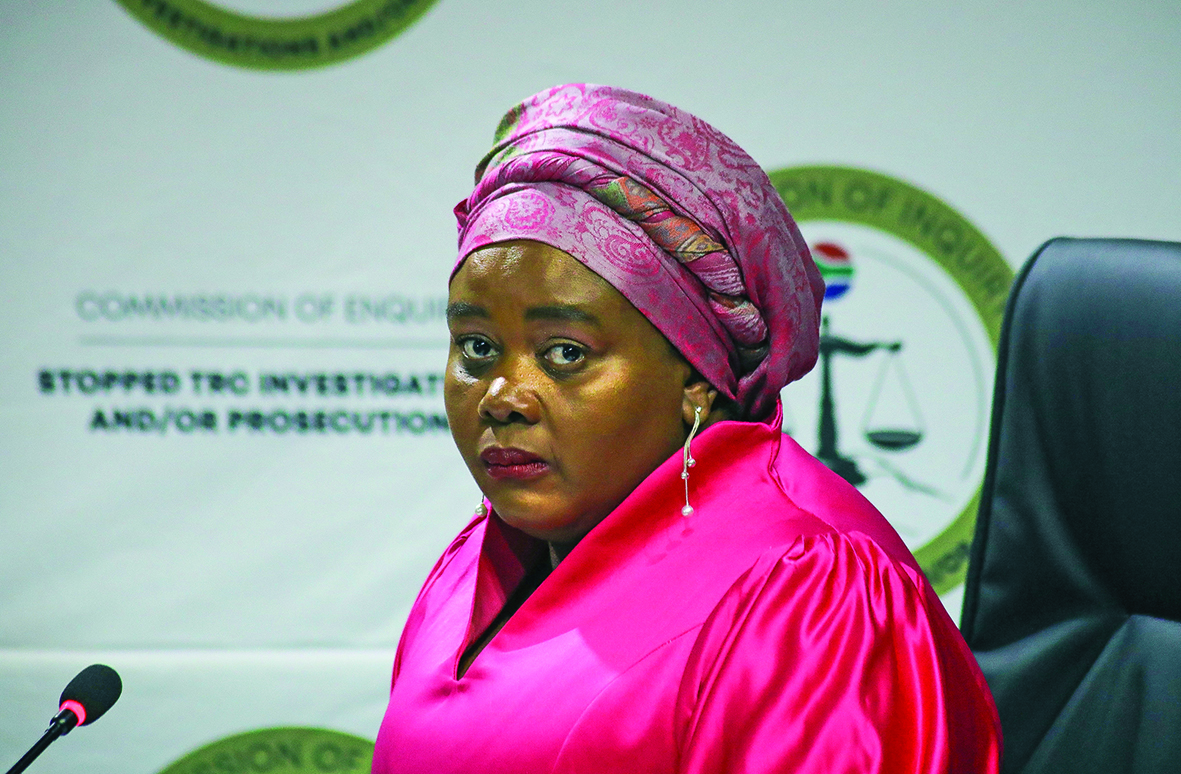
Justice Minister Mmamoloko Kubayi has been accused of ignoring appeals from Legal Aid South Africa employees as a staffing crisis leaves criminal courts without lawyers, threatening accused persons’ constitutional rights and increasing workloads for practitioners.
The state-funded institution provides free legal representation to people who cannot afford private lawyers.
Union strike
The South African Lawyers and Allied Workers Union says around 45% of Legal Aid SA employees took party in a nationwide strike on October 19 and 20, disrupting proceedings across several provinces.
In a 12-page response to Sunday World, Salawu accused Kubayi of failing to engage the union despite repeated memoranda outlining grievances.
“The minister of justice has never responded to our demands,” it said.
Parliament has confirmed that budget constraints have forced Legal Aid SA to halt recruitment, leaving hundreds of positions vacant.
Staff shortages and budget pressures
On October 7, Parliament’s portfolio committee on justice and constitutional development heard that Legal Aid SA employed about 2 530 people against an approved 2 856 because of budget cuts.
Chairperson Xola Nqola said: “The committee has noted the severe funding constraints, of especially Legal Aid SA, and notes the important mandate it performs.”
On October 21, Parliament raised further concerns about accused persons appearing without lawyers and criminal proceedings being postponed during the strike.
Constitutional rights under threat
“The grievances raised by employees regarding frozen vacancies, remuneration and excessive workloads require a substantive response,” Nqola said. “At the same time, the disruption of legal services threatens the constitutional rights of people who depend on Legal Aid SA.”
Nqola called for urgent intervention by Kubayi, Legal Aid management and the union, demanding meaningful negotiations and a time-bound plan to address staff shortages. Parliament also demanded an assessment of disrupted proceedings and measures to protect the persons affected by the withdrawal of legal services.
“The public deserves to know what is being done to resolve this dispute,” Nqola said.
Salawu identified the Polokwane High Court and Magistrate’s Court among facilities affected by the strike. In Mpumalanga, Middelburg and Mbombela were affected, while courts in Gqeberha and Mthatha allegedly experienced severe disruptions. The union also reported problems in Kimberley, Mahikeng, Potchefstroom, Cape Town, Durban and Pietermaritzburg.
“We don’t have actual figures. We wish to state further that even the vacant positions contribute, daily, to the accused persons appearing without legal representation.”
Salawu said staffing capacity had declined from 95% to below 85%, with vacancies among attorneys, candidate practitioners, support employees and managers.
“The current staff must do more than they can handle, the caseload is increasing and this will affect the quality of legal service,” it said.
Union demands
Its demands include increasing retirement age from 60 to 65, salary benchmarking and outstanding performance incentives, filling vacancies. The union also wants the Legal Aid SA board or its chairperson removed and opposes appointing a sitting judge as chairperson.
Salawu traces the dispute to 2019, alleging that successive justice ministers and management failed to resolve long-standing grievances. The board has invited Salawu to a meeting on Saturday.
Parliament plans a physical oversight visit this month to examine Legal Aid SA’s finances, staffing and constitutional mandate.
Kubayi’s spokesperson, Palesa Rammitlwa, did not respond to Sunday World’s requests for comment by the time of publication.
- Justice Minister Mmamoloko Kubayi has been accused by the South African Lawyers and Allied Workers Union (Salawu) of ignoring appeals amid a staffing crisis at Legal Aid South Africa, leading to court disruptions and threats to accused persons' constitutional rights.
- Approximately 45% of Legal Aid SA employees participated in a nationwide strike on October 19 and 20, affecting courts in multiple provinces including Polokwane, Mpumalanga, Gqeberha, Kimberley, Cape Town, and Durban.
- Budget constraints have led Legal Aid SA to stop recruiting, resulting in about 326 vacancies and a staffing capacity decline from 95% to below 85%, affecting attorneys, candidate practitioners, support staff, and managers.
- Parliament’s justice committee has called for urgent intervention, meaningful negotiations, an assessment of disrupted court proceedings, and measures to protect persons affected by the withdrawal of legal services.
- The union’s demands include raising the retirement age to 65, salary benchmarking, filling vacancies, removing the Legal Aid SA board or its chairperson, and opposing the appointment of a sitting judge as chairperson.
Justice Minister Mmamoloko Kubayi has been accused of ignoring appeals from Legal Aid South Africa employees as a staffing crisis leaves criminal courts without lawyers, threatening accused persons’ constitutional rights and increasing workloads for practitioners.
The state-funded institution provides free legal representation to people who cannot afford private lawyers.
The South African Lawyers and Allied Workers Union says around 45% of Legal Aid SA employees took party in a nationwide strike on October 19 and 20, disrupting proceedings across several provinces.
In a 12-page response to Sunday World, Salawu accused Kubayi of failing to engage the union despite repeated memoranda outlining grievances.
“The minister of justice has never responded to our demands,” it said.
Parliament has confirmed that budget constraints have forced Legal Aid SA to halt recruitment, leaving hundreds of positions vacant.
On October 7, Parliament’s portfolio committee on justice and constitutional development heard that Legal Aid SA employed about 2 530 people against an approved 2 856 because of budget cuts.
Chairperson Xola Nqola said: “The committee has noted the severe funding constraints, of especially Legal Aid SA, and notes the important mandate it performs.”
On October 21, Parliament raised further concerns about accused persons appearing without lawyers and criminal proceedings being postponed during the strike.
“The grievances raised by employees regarding frozen vacancies, remuneration and excessive workloads require a substantive response,” Nqola said. “At the same time, the disruption of legal services threatens the constitutional rights of people who depend on Legal Aid SA.”
Nqola called for urgent intervention by Kubayi, Legal Aid management and the union, demanding meaningful negotiations and a time-bound plan to address staff shortages. Parliament also demanded an assessment of disrupted proceedings and measures to protect the persons affected by the withdrawal of legal services.
“The public deserves to know what is being done to resolve this dispute,” Nqola said.
Salawu identified the Polokwane High Court and Magistrate’s Court among facilities affected by the strike. In Mpumalanga, Middelburg and Mbombela were affected, while courts in Gqeberha and Mthatha allegedly experienced severe disruptions. The union also reported problems in Kimberley, Mahikeng, Potchefstroom, Cape Town, Durban and Pietermaritzburg.
“We don’t have actual figures. We wish to state further that even the vacant positions contribute, daily, to the accused persons appearing without legal representation.”
Salawu said staffing capacity had declined from 95% to below 85%, with vacancies among attorneys, candidate practitioners, support employees and managers.
“The current staff must do more than they can handle, the caseload is increasing and this will affect the quality of legal service,” it said.
Its demands include increasing retirement age from 60 to 65, salary benchmarking and outstanding performance incentives, filling vacancies. The union also wants the Legal Aid SA board or its chairperson removed and opposes appointing a sitting judge as chairperson.
Salawu traces the dispute to 2019, alleging that successive justice ministers and management failed to resolve long-standing grievances. The board has invited Salawu to a meeting on Saturday.
Parliament plans a physical oversight visit this month to examine Legal Aid SA’s finances, staffing and constitutional mandate.
Kubayi’s spokesperson, Palesa Rammitlwa, did not respond to Sunday World’s requests for comment by the time of publication.


