


As South Africa gears up for International Mother Language Day on February 21, local TikTok creators are using their phones and their own voices, to push back against the slow erosion of indigenous languages.
In a country with 12 official languages but classrooms, workplaces and pop culture still dominated by English, these creators are making isiZulu, isiXhosa and township vernacular visible, cool and most importantly, usable in everyday life.
South Africa is one of TikTok’s most active markets on the continent, with young users driving conversations, trends and even careers on the platform.
Learning language South African-style
Now, that same energy is being channelled into #Edutainment. This is where learning a language comes with humour, storytelling and lived experience instead of textbooks.
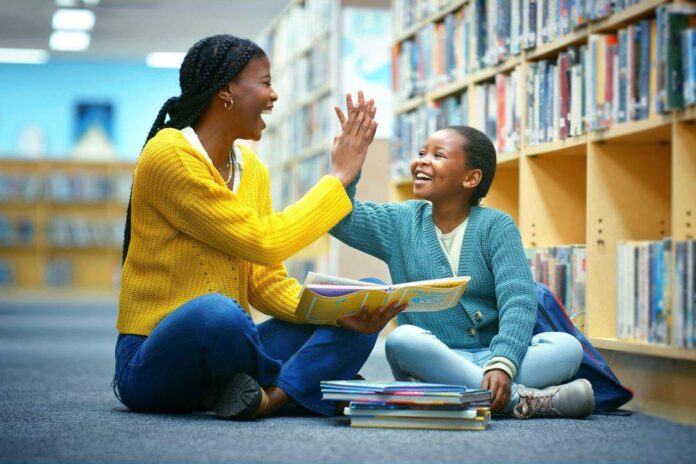
Durban content creator Lungile Zenda has struck a chord with parents across the country by documenting her daughter’s isiZulu learning journey.
Her videos mirror a reality many black middle-class families face. Children who understand their mother tongue but struggle to speak it confidently. And that is because they are taught in English at school.
By normalising those challenges and correcting them in real time, she has sparked national conversations about raising culturally grounded children in modern South Africa.
Eastern Cape-born lifestyle creator Onezwa Mbola is taking viewers back to the land.
Her content, which shows her growing vegetables, foraging and preparing traditional dishes, taps into a renewed local appetite for indigenous knowledge, organic living and African food heritage.
Cultural dining takes centre stage
At a time when African cuisine is finally receiving global recognition, she is reminding South Africans that these traditions started at home. Her pop-up dining experiences are proof that TikTok fame can translate into real economic opportunities rooted in culture.
In the townships, language has always evolved organically. A mix of isiZulu, Sesotho, tsotsi taal and street slang.
Creators like Tshepo Ngobese are turning that everyday way of speaking into viral content that resonates from Umlazi to Tembisa.
Soshanguve-based comedian Atlegang Songo, known as @papi.nicetingz, has built a massive following by telling hyper-local stories in the language people actually use in taxis, at the spaza shop and in the street.
His move into television is another example of how kasi digital culture is now feeding directly into mainstream entertainment.
For years, there has been concern that younger generations are losing fluency in their mother tongues. What is happening on TikTok is a digital correction of that trend.
Instead of formal preservation, language is being: spoken in homes, joked about in skits, cooked into traditional meals and shared in short, addictive videos.
- As South Africa gears up for International Mother Language Day on February 21, local TikTok creators are using their phones and their own voices, to push back against the slow erosion of indigenous languages.
- In a country with 12 official languages but classrooms, workplaces and pop culture still dominated by English, these creators are making isiZulu, isiXhosa and township vernacular visible, cool and most importantly, usable in everyday life.
- South Africa is one of TikTok’s most active markets on the continent, with young users driving conversations, trends and even careers on the platform.
- Learning language South African-style Now, that same energy is being channelled into #Edutainment.
- This is where learning a language comes with humour, storytelling and lived experience instead of textbooks.


