


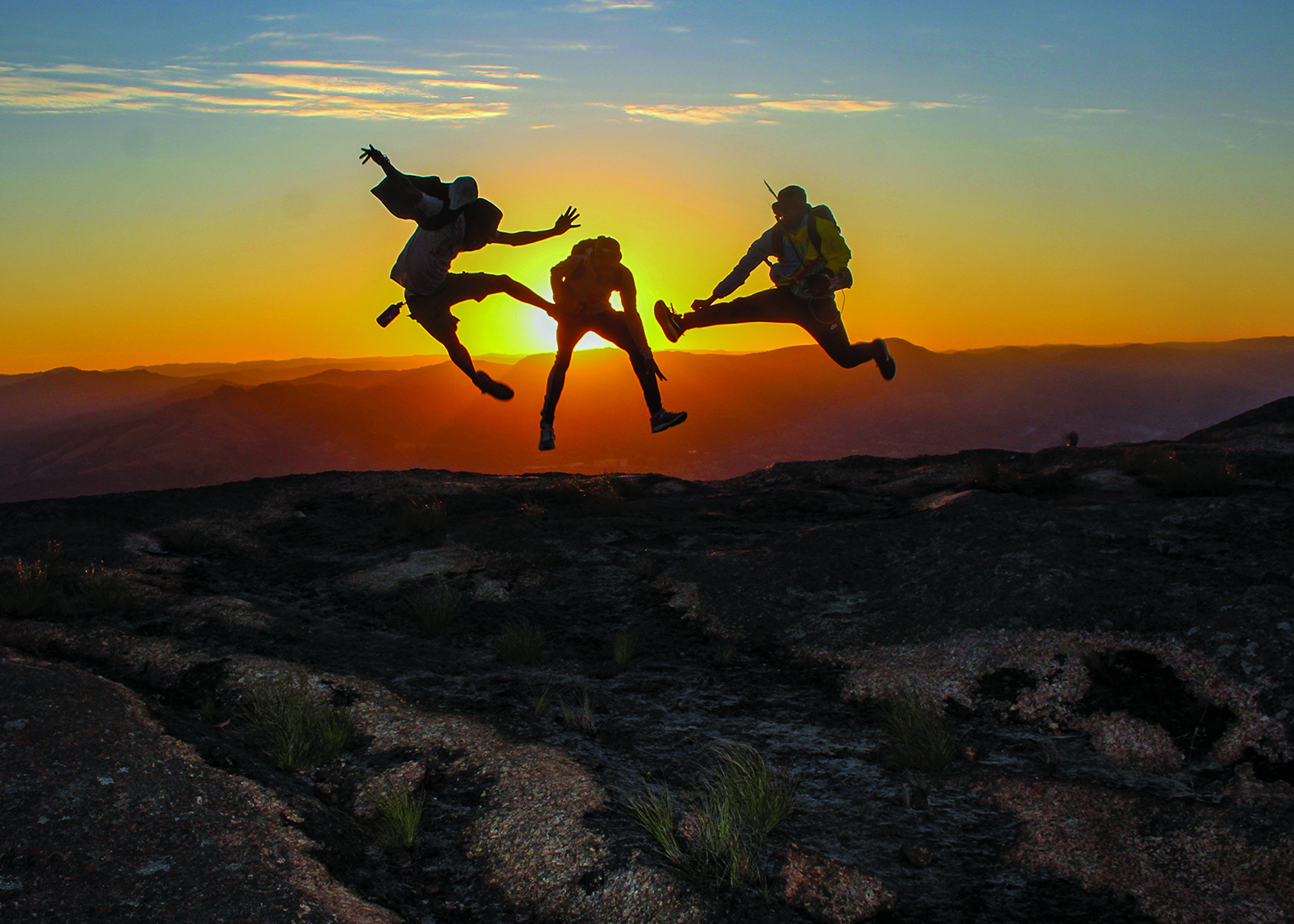
Thabiso Nxumalo carefully ascends a rocky mountain trail, stopping occasionally to catch his breath and enjoy the expansive views of Eswatini’s highlands and valleys.
From dense forests to open plains and far-off mountain ranges, the scenery has something fresh to offer at every turn. The 34-year-old environmentalist and visual artist has visited about 20 trekking locations around the country to find locations worth exploring.
The inspiration
Nxumalo, from Siphofaneni in eastern Eswatini, started hiking with his friends during his tertiary studies. In 2014, he and three friends began taking annual hiking and camping adventures.
Over time, repeating familiar routes made him crave a fresh challenge.
“After consecutively hiking in three different hiking destinations for a month I got used to the trails. I later challenged myself on the next hike to start on a new trail or destination,” he says.
That decision resulted in a goal of visiting 30 destinations in 12 months. He didn’t accomplish all 30, but he did hike to 20 of them and discovered that the challenge was about more than distance or numbers.
Domestic tourism is a significant component of Africa’s travel economy. In June 2026, the World Travel & Tourism Council stated that domestic travel accounted for around 61% of total tourism spending across the continent. In Eswatini, young people exploring the country’s hiking routes are also bringing attention to local attractions and demonstrating how local adventures may be integrated into a larger tourism culture.
On the verge of a breakdown
Nxumalo began hiking during a difficult period in his life.
“I was on the verge of a breakdown at the time when I began hiking, due to some circumstances or events in my life that were causing me to feel emotionally and mentally down,” he says.
He describes a change in how he feels after spending time on a trail.
“When I’m out there, it’s like my mind just changes. I feel lighter; I feel happier. There’s something about hiking that makes your brain feel that way,” he explains.
New locations have exposed him to local histories, cultures, people, climates, and vegetation. He remembers the view from the top of Mdzimba Mountain and deciding to hike down Sibebe Rock instead of taking his normal route.
Healing by nature
Clinical psychologist Celeste Jacobs Richards believes that social support and outdoor activities might help young people deal with mental stress.
“Nature helps ease the body’s reaction to stress and clears the mind. Naturally, the parasympathetic nervous system can be stimulated as well, helping to calm the body,” she says.
However, she cautions that, while outdoor activities might help with emotional well-being, they are not a substitute for professional mental health care, especially for young people who are experiencing severe or persistent emotional discomfort.
“Hiking promotes wellbeing, but is not mental healthcare,” she explains.
Popular hiking places in Eswatini include the Malolotja, Makhonjwa and Ngwenya mountains, Ngwempisi Gorge, Mdzimba, Zombodze, Mantenga, Sheba’s Breast, Ezulwini valley, and Sibebe Rock.
For Nxumalo, the challenge has helped him see his country as a place worth exploring. After exploring the paths on foot, he intends to take up cycling and discover new ways to discover Eswatini. — bird story agency
- Thabiso Nxumalo, a 34-year-old environmentalist and visual artist from Siphofaneni, Eswatini, has hiked about 20 trekking locations around the country.
- Nxumalo began hiking in 2014 with friends during his tertiary studies and set a goal to visit 30 hiking destinations in 12 months, completing 20.
- Hiking has helped Nxumalo manage emotional and mental stress, making him feel lighter and happier on the trails.
- Clinical psychologist Celeste Jacobs Richards states that outdoor activities like hiking can ease stress but are not a substitute for professional mental health care.
- Popular hiking locations in Eswatini include Malolotja, Makhonjwa, Ngwenya mountains, Ngwempisi Gorge, Mdzimba, Zombodze, Mantenga, Sheba’s Breast, Ezulwini valley, and Sibebe Rock.
Thabiso Nxumalo carefully ascends a rocky mountain trail, stopping occasionally to catch his breath and enjoy the expansive views of Eswatini’s highlands and valleys.
From dense forests to open plains and far-off mountain ranges, the scenery has something fresh to offer at every turn. The 34-year-old environmentalist and visual artist has visited about 20 trekking locations around the country to find locations worth exploring.
Nxumalo, from Siphofaneni in eastern Eswatini, started hiking with his friends during his tertiary studies. In 2014, he and three friends began taking annual hiking and camping adventures.
Over time, repeating familiar routes made him crave a fresh challenge.
“After consecutively hiking in three different hiking destinations for a month I got used to the trails. I later challenged myself on the next hike to start on a new trail or destination,” he says.
That decision resulted in a goal of visiting 30 destinations in 12 months. He didn’t accomplish all 30, but he did hike to 20 of them and discovered that the challenge was about more than distance or numbers.
Domestic tourism is a significant component of Africa’s travel economy. In June 2026, the World Travel & Tourism Council stated that domestic travel accounted for around 61% of total tourism spending across the continent. In Eswatini, young people exploring the country’s hiking routes are also bringing attention to local attractions and demonstrating how local adventures may be integrated into a larger tourism culture.
Nxumalo began hiking during a difficult period in his life.
“I was on the verge of a breakdown at the time when I began hiking, due to some circumstances or events in my life that were causing me to feel emotionally and mentally down,” he says.
He describes a change in how he feels after spending time on a trail.
“When I’m out there, it’s like my mind just changes. I feel lighter; I feel happier. There’s something about hiking that makes your brain feel that way,” he explains.
New locations have exposed him to local histories, cultures, people, climates, and vegetation. He remembers the view from the top of Mdzimba Mountain and deciding to hike down Sibebe Rock instead of taking his normal route.
Clinical psychologist Celeste Jacobs Richards believes that social support and outdoor activities might help young people deal with mental stress.
“Nature helps ease the body’s reaction to stress and clears the mind. Naturally, the parasympathetic nervous system can be stimulated as well, helping to calm the body,” she says.
However, she cautions that, while outdoor activities might help with emotional well-being, they are not a substitute for professional mental health care, especially for young people who are experiencing severe or persistent emotional discomfort.
“Hiking promotes wellbeing, but is not mental healthcare,” she explains.
Popular hiking places in Eswatini include the Malolotja, Makhonjwa and Ngwenya mountains, Ngwempisi Gorge, Mdzimba, Zombodze, Mantenga, Sheba’s Breast, Ezulwini valley, and Sibebe Rock.
For Nxumalo, the challenge has helped him see his country as a place worth exploring. After exploring the paths on foot, he intends to take up cycling and discover new ways to discover Eswatini. — bird story agency


