


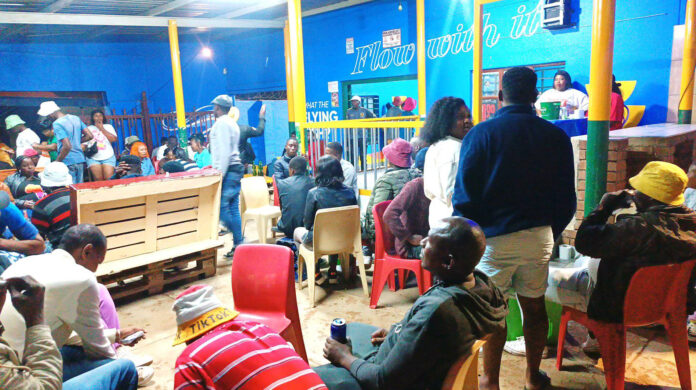
I run a licensed tavern. I pay my taxes. I comply with the law. I check IDs. I close when I’m supposed to. I try to keep my place safe and responsible because this business feeds my family and supports people who work for me.
So, when the government talks about increasing excise duties above inflation, I don’t hear it as an abstract policy debate. I hear it as more pressure on a business that is already fighting to survive – and another gift to the illegal traders down the road who play by none of the rules.
Every time excise duty goes up sharply, the impact is immediate. Prices go up. Customers buy less. Some stop coming altogether. They don’t stop drinking – they just stop buying from licensed outlets like mine.
They go to the backroom dealer. The bootlegger. The place sells alcohol out of plastic bottles, with no labels, no quality control, and no tax paid. That’s the reality on the ground.
Legal traders lose, Illicit sellers grow.
We are told that higher excise duties will reduce harmful drinking. But in my community, what they actually do is push people away from regulated alcohol into cheaper, illicit alternatives.
Research already shows that illicit alcohol makes up about 18% of consumption in South Africa – nearly one in every five drinks. From where I stand, that number feels real.
You can see it in declining foot traffic, shrinking volumes, and the growth of illegal sellers who are everywhere and nowhere at the same time.
Those traders don’t pay excise. They don’t pay VAT. They don’t employ people formally. They don’t worry about safety, underage drinking, or closing times. Yet, every above-inflation excise duty increase makes their business stronger – and mine weaker.
Smaller taverns carry the heaviest burden
Large companies may be able to absorb some of these shocks. Small, township-based taverns cannot. Margins are thin. Rent, electricity, security, staff wages – all of it goes up. When excise rises faster than inflation, the cost has to be passed on. But customers are price-sensitive. When prices rise too quickly, volumes drop.
That means fewer shifts for staff. Less money circulating locally. Less ability to reinvest in making premises safer and more compliant.
Ironically, the businesses that the government should want to protect – licensed, visible, accountable traders – are the ones squeezed the hardest.
Government loses too
This is not just about tavern owners. When legal sales fall, government doesn’t win; revenue declines. According to recent estimates, illicit alcohol already costs the fiscus about R16.7-billion a year in lost revenue. That money could fund clinics, policing, roads, and schools.
Higher excise rates don’t automatically mean higher collections – especially when enforcement can’t keep pace, and illegal trade expands. Taxing the legal market harder while the illegal market grows is like squeezing water in your hands. It just runs somewhere else.
Harm reduction needs more than price hikes
No responsible tavern owner denies that alcohol abuse is a serious problem. We see the consequences in our communities every day. But price increases alone are a blunt tool. They punish responsible consumers and compliant traders while doing little to stop dangerous drinking driven by unregulated alcohol.
What works better is visible enforcement, shutting down illegal operators, education and partnerships between government, communities, and the legal trade. When people buy from licensed outlets, at least the product is regulated, the environment is controlled, and the law can be enforced.
A simple ask
All we are asking for is balance and certainty.
An excise increase aligned with inflation would still protect government revenue without pushing more people into the illicit market. Above-inflation increases, year after year, undermine the legal trade and strengthen criminal networks.
If the government truly wants safer communities, protected jobs, and sustainable revenue, it must stop treating compliant tavern owners as part of the problem – and start recognising that we are part of the solution.
Because from where I stand, every time excise jumps too high, illicit trade doesn’t just survive. It wins.
- Ntimane is convener of the National Liquor Traders Association
Visit SW YouTube Channel for our video content
- I run a licensed tavern.
- I pay my taxes.
- I comply with the law.
- I check IDs.
- I close when I’m supposed to.


