



It was 2008, and I was in Grade 9 when I first heard about a breakaway political party that everyone seemed to be talking about.
One day, while driving with my parents through the streets of Kimberley in Northern Cape, a convoy of cars suddenly appeared. Passengers leaned out of windows, waving and cheering, creating a festive spectacle that drew attention from everyone around.
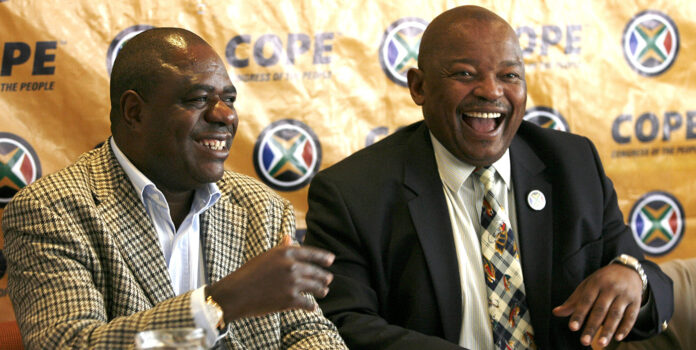
It was the Congress of the People (Cope), and the excitement surrounding the new party was spreading across the country. In the months that followed, I heard many adults speaking enthusiastically about abandoning the ANC to support what they affectionately called “Shikota”, a name derived from the surnames of the party’s founders, Mosiuoa “Terror” Lekota and Mbhazima Shilowa.
“Re batho ba Shikota,” people would proudly say, meaning “we are the people of Shikota”. The phrase soon became common, even within my own family.
My aunt was among those who embraced the movement. During the 2009 general elections she volunteered on the ground, cooking wholesome meals for campaign workers who spent long days mobilising voters.
But when election day passed, she returned home heartbroken. Cope had not performed well in our area, even though the story was different elsewhere in the country.
Nationally, the party had managed to capture the public imagination. Cope emerged as the third largest party in the 2009 elections, securing 30 seats in Parliament.
For the first time, it seemed possible for a breakaway party to make a real dent in the ANC’s
support base. Yet the promise did not last.
The unity that once defined the “Shikota” partnership between Lekota and Shilowa did not last long. Soon after the party’s strong showing in the 2009 general elections, internal leadership battles erupted within Cope.
The most significant dispute was between Lekota and Shilowa, both of whom laid claim to the party’s leadership.
The conflict escalated into a protracted court battle over who legitimately led the party. In 2013, the year when I was due to graduate with my first degree, the courts ruled in favour of Lekota, effectively confirming him as the lawful leader of Cope.
Following the judgment, Shilowa and his supporters were sidelined from the
party’s structures. The former Gauteng premier and trade unionist eventually exited the
organisation.
By the time I was old enough to vote in my first national elections in 2014, Cope’s political relevance had all but faded. At the same time, a new political force had arrived. The EFF, led by Julius Malema, had captured the energy and enthusiasm that Cope once carried.
Years later, in 2024, I received a call from a woman asking if I would be willing to interview Lekota. I thought to myself, why not? We met at the Cope office in the Johannesburg CBD and he welcomed me warmly.
By then, many political analysts were predicting that Cope would lose its remaining foothold in Parliament. Lekota, however, remained defiant.
“Cope will go back to Parliament,” he told me. “We are campaigning and recruiting many people. Many are coming to us saying that we should have listened to you, we should have respected your advice.
Now we see people stealing state funds, and we should have given Cope a chance. Whether they are the number of people we need to go to Parliament, I do not know.”
During the conversation, Lekota also opened up about his battle with prostate cancer. Doctors were treating the illness, he said, but the toll on his health was visible. Despite this, he spoke firmly about the future of the party he helped found.
In the 2024 elections, Cope failed to win enough votes to secure even a single seat in the National Assembly.
The party says it has spent the past year trying to rebuild its structures, but whether it can reclaim the hope and excitement that once followed the Shikota movement remains uncertain.
• Masuabi is Sunday World political correspondent.


