South Africa has seen this film before. It opens with a board at war with its executives. Then come the suspensions and resignations. It ends with a once-proud state institution on a drip, asking the Treasury for a bailout.
Eskom, Transnet, SAA and Denel followed that script. The Public Investment Corporation and the Industrial Development Corporation now look as if they are reading from it.
Take the PIC, which manages about R3.7-trillion, close to half the country’s GDP and mostly the retirement savings of public servants. In July, its board suspended chief executive, Patrick Dlamini, over a whistleblower report.
Directors then began walking out, among them the chair, Deputy Finance Minister David Masondo. Eight resigned in all. Africa’s largest asset manager was left without a quorum and the Financial Sector Conduct Authority opened an investigation.
The high court then ruled that the board had acted beyond its powers. It declared the suspension illegal.
Government’s answer was to install another politician, Deputy Minister in the Presidency Seiso Mohai, as chair. That flies in the face of the Mpati Commission, which found the PIC had been politically captured and recommended an independent, non-executive chair. Nearly seven years after Mpati, we are arguing over lessons that should have been learnt.
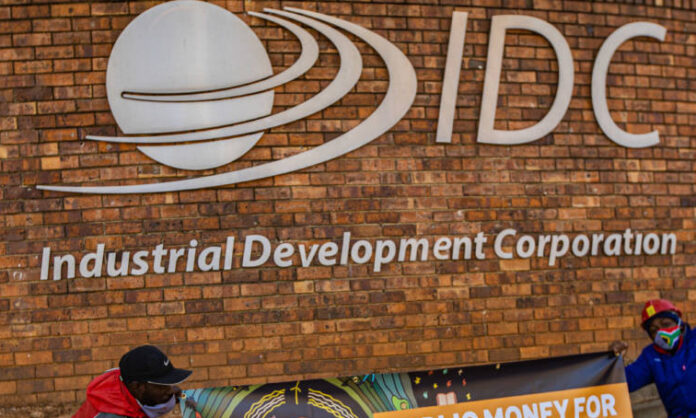
The IDC is the backbone of industrial policy and of funding for black industrialists. In 2025/26 it swung from a R329-million profit to a R4.7-billion loss, dragged down by Foskor and other investments. Its chief financial officer resigned days after the results.
This month, we learnt that chief executive Mmakgoshi Lekhethe, the first woman to lead the corporation, will leave under a “mutual separation agreement” after less than two years, amid reports that the board had lost confidence in her.
The IDC met fewer than half its targets. A write-off of more than R1bn on a steel loan and a board inquiry into how an empowerment partner was chosen for a R2.1bn tourism project, raise further questions about how it makes decisions.
When the IDC board was appointed last year, it included former ministers Ayanda Dlodlo and Sydney Mufamadi and former premier Nomusa Dube-Ncube. As the corporation sheds leaders and money, it is fair to ask whether its directors were chosen for competence or loyalty.
Development finance institutions provide the patient capital that commercial banks will not. They finance factories, black-owned enterprises, new industries and infrastructure and they drive transformation and reindustrialisation.
When they stumble, the damage falls on the jobs, the black industrialists and the communities that depend on them.
The remedy is not complicated. Boards must be appointed on merit, through transparent processes and led by independent chairs. Executives must be allowed to manage without political second-guessing and removed only through legal processes. The Mpati recommendations must be implemented. Parliament must provide real oversight and the regulators need teeth.
The PIC and the IDC are too important to fail.
- The Public Investment Corporation (PIC) manages about R3.7-trillion, close to half South Africa’s GDP and mostly the retirement savings of public servants.
- In July, the PIC board suspended chief executive Patrick Dlamini over a whistleblower report, leading to eight resignations and a loss of quorum.
- The Financial Sector Conduct Authority opened an investigation into PIC, and the high court declared the suspension of Dlamini illegal.
- The Industrial Development Corporation (IDC) swung from a R329-million profit to a R4.7-billion loss in 2025/26, with the resignation of its chief financial officer and the impending departure of CEO Mmakgoshi Lekhethe.
- Governance issues at PIC and IDC include politically influenced board appointments, failure to meet targets, and ongoing investigations into project decisions, prompting calls for merit-based appointments and implementation of the Mpati Commission recommendations.