


We remember when more than 440 people died in KwaZulu-Natal and about 40 000 were displaced in April 2022. Officials estimated infrastructure damage at more than R10 billion.
Many of the dead lived in settlements on river banks and steep slopes, land the city knew to be dangerous.
More recently in Mthatha, in June last year, the Eastern Cape government confirmed 101 deaths. Forecasters had warned of the storm the week before. The warning worked. The settlement pattern, however, did the damage.
South Africa has about 4 300 informal settlements holding roughly two million households. Many of them sit in flood zones and on steep slopes. eThekwini alone counted about 598 settlements and 303 867 structures in October 2024.
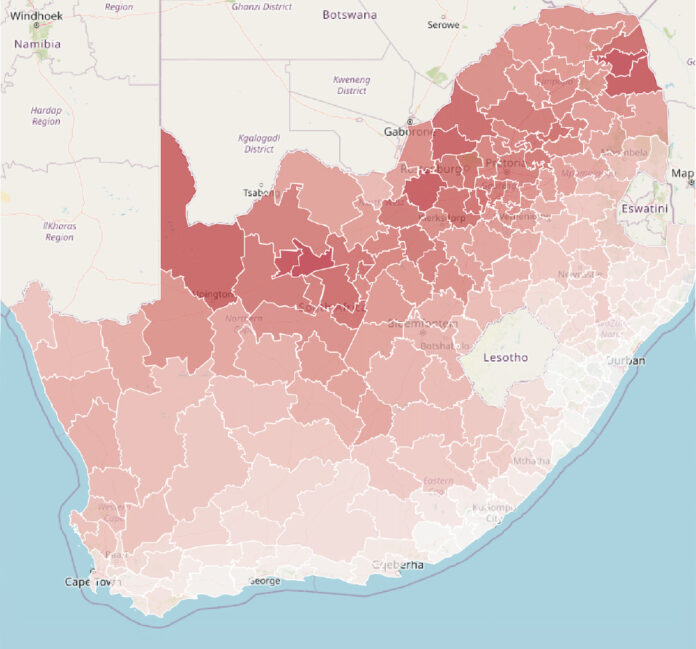
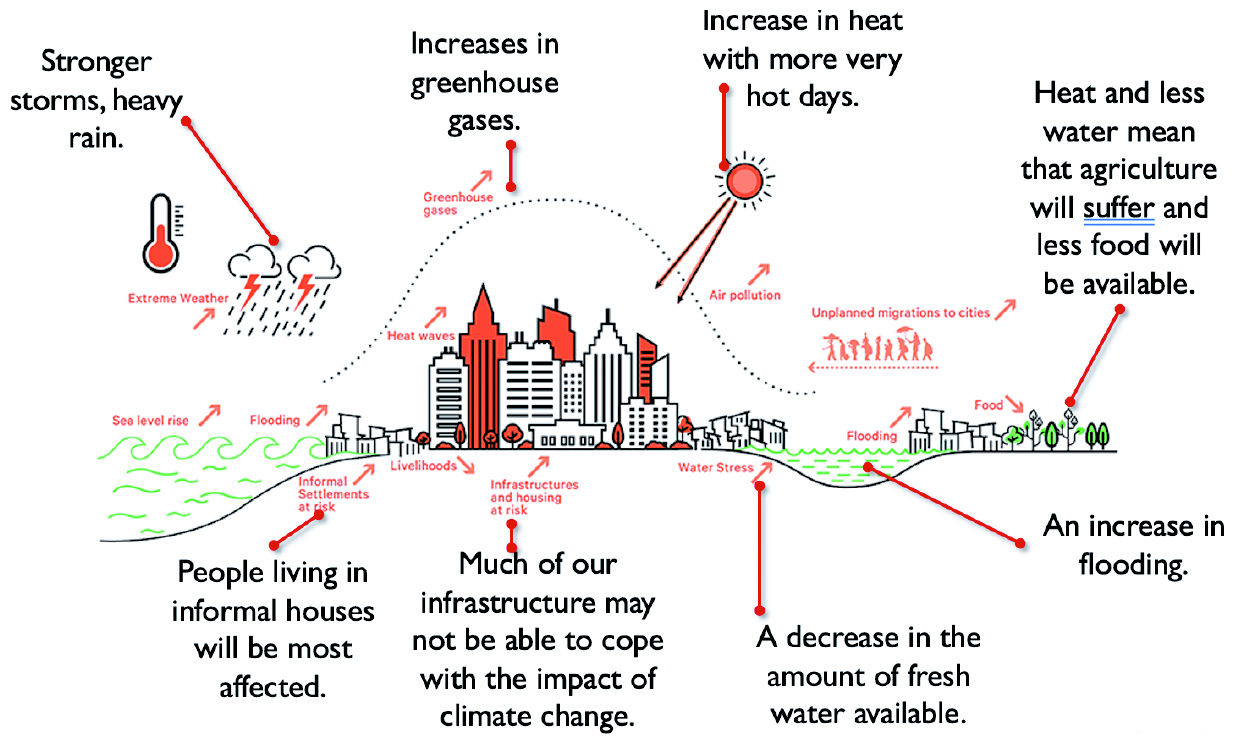
South Africa is water-stressed, and lack of water is the most significant resource constraint on development. Climate projections over the next 50 years predict that the western parts of South Africa will become drier and the eastern parts wetter, with higher temperatures in the interior and more frequent extreme weather events. Floods, droughts and fire are our main hazards, with droughts causing the greatest economic losses, particularly in agriculture.
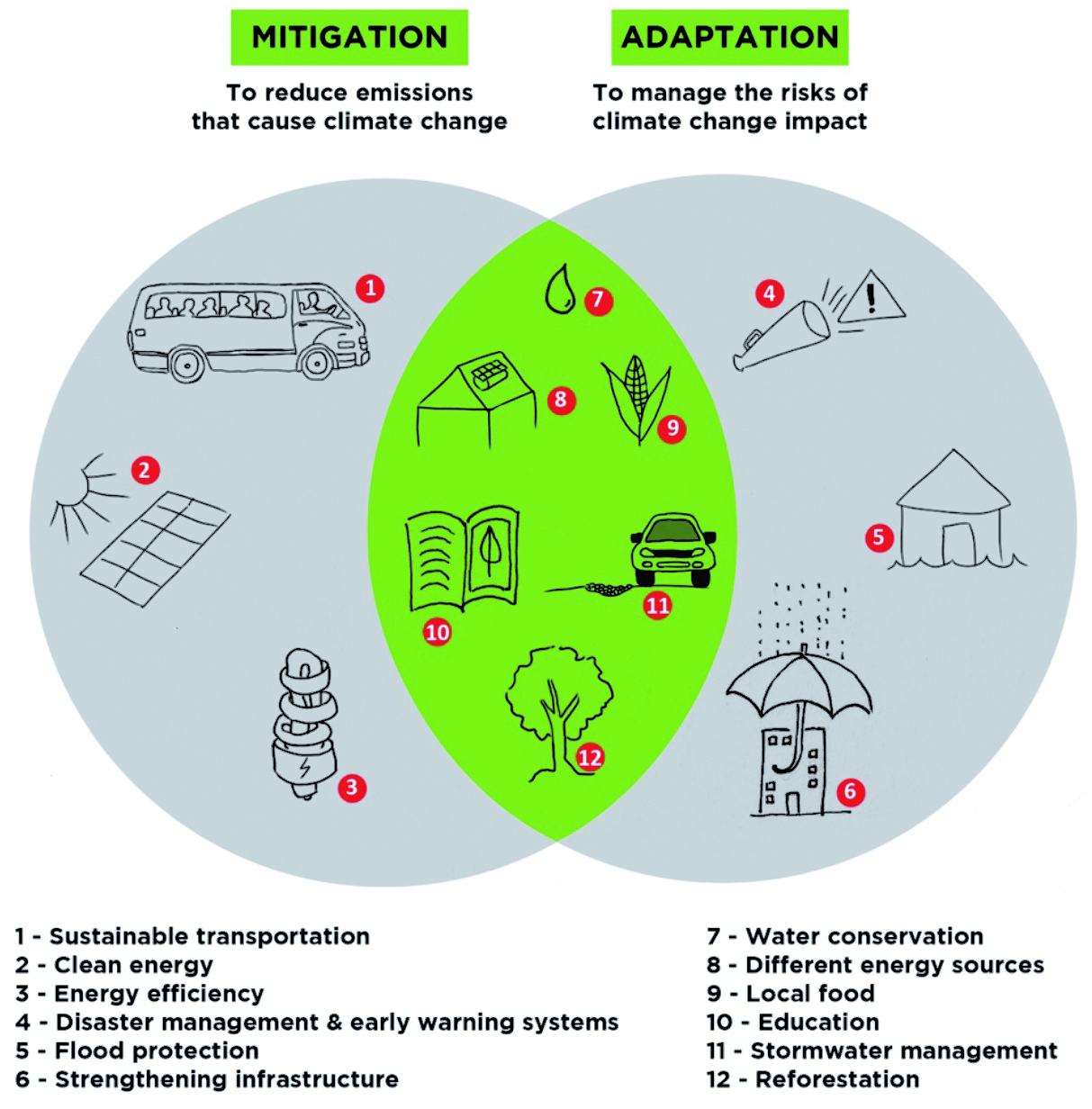
As a country, we need to mitigate the effects of climate variability and adapt to it. Mitigation means reducing the rate and magnitude of climate change by cutting greenhouse gas emissions at source and enhancing natural “sinks” such as oceans, forests and soil. Adaptation means changing the way we do things to manage climate risks.
Building resilience
We need to build resilience, ensuring infrastructure can withstand the most critical hazards facing municipalities: flash and surface flooding, rainstorms, heat waves, extreme heat and drought.
In developing action plans, municipalities should engage activist organisations across the social and environmental divide if an environmental justice framework is to emerge.
Municipalities have introduced smart technologies, such as e-services, citizen portals, fibre broadband, CCTV, automated meter reading and intelligent traffic systems, but these remain fragmented, standalone projects, rarely embedded in planning or in integrated strategies. As a result, South Africa is at the beginning stages of developing smart municipalities.
Technology should enable transformation, not be an end in itself, with inclusive benefits, collaborative partnerships and spatial transformation as central outcomes. Policymakers, officials and practitioners must move South Africa from early experimentation towards resilient, equitable and developmental smart municipalities.
This means we need more smart people setting policies and budgets and running our municipalities properly. Unfortunately, the focus on compliance rather than accountable development has undermined our ability to implement plans.
Overall, we must:
• Help decision makers be proactive rather than reactive;
• Reduce the vulnerability of communities; and
• Ensure resilient layout and design decisions to take us well beyond the next 50 years and longer.
Municipal climate change action plans
Few municipalities have developed climate change action plans. The exceptions, particularly the metros, have invested human, financial and institutional resources in raising the profile of climate change as one of the key challenges to the country’s future development and have helped shape the national policy agenda.
However, all municipalities struggle to find the finance needed to make mitigation and adaptation a reality.
Research on small and intermediate cities found that while municipalities generally have the powers and strategies to address urban sustainability, prioritisation and implementation suffer from a general lack of awareness of the issues.
Municipalities need climate change plans in place. There is a need to:
• Increase investment in disaster risk financing;
• Integrate municipal climate governance with provincial and national systems;
• Build climate resilience firmly into Integrated Development Plans (IDP), particularly for core infrastructure, human settlements, community facilities and social support;
• Improve early warning
systems; and
• Improve responsiveness before, during and after disasters
Practical steps include:
• Mainstreaming climate action into all policies and programmes;
• Protecting or relocating infrastructure and human settlements in high climate-risk areas;
• Diverting waste from landfill through recycling, and reducing greenhouse gas emissions;
• Promoting transit-oriented development, non-motorised transport and low-carbon vehicles
• Developing food security measures, including municipal agriculture programmes;
• Improving energy efficiency;
• Protecting natural resources and wildlife, and providing essential water, sanitation and waste management services;
• Checking IDP capital lists against disaster-risk priorities;
• Not extending services or housing into disaster-risk areas;
• Using the District Development Model for coordination, because disaster risk crosses spheres and sectors — but the One Plans must become action plans;
• Including clearly defined, geo-referenced project registers in IDPs;
• Using available tools such as the South African Risk and Vulnerability Atlas, which includes municipal-level measures such as the average number of dry days; and
• Giving hazard overlays legal force in land-use schemes and recording a hazard screen for every project in the IDP priority register, including housing.
Most importantly, we must shift our Disaster Management Plans, Spatial Development Frameworks and other key planning documents away from compliance towards integration and implementation.
Don’t wait for disasters: plan and act before they happen
• Sutcliffe is co-director of City Insight, a firm that provides information and advice on development issues. He’s a former city manager of eThekwini Metro
• Bannister is co-director of City Insight and a development consultant with experience in urban planning and policy development
• McGahey has over 20 years’ experience in planning and development, and project management.
- We remember when more than 440 people died in KwaZulu-Natal and about 40 000 were displaced in April 2022.
- Officials estimated infrastructure damage at more than R10 billion.
- Many of the dead lived in settlements on river banks and steep slopes, land the city knew to be dangerous.
- More recently in Mthatha, in June last year, the Eastern Cape government confirmed 101 deaths.
- Forecasters had warned of the storm the week before.


