


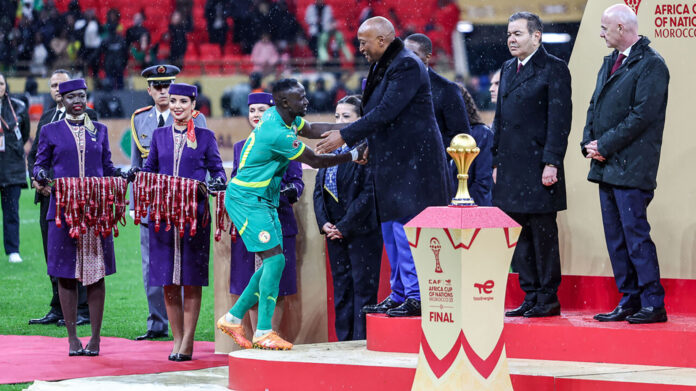
The recent decision by the Confederation of African Football (CAF) appeals board to strip Senegal of its 2025 Africa Cup of Nations title in favour of Morocco has ignited widespread debate across the continent.
For some, it is a moment of crisis, a test of leadership and the institutional resilience of African football. For those willing to look deeper, however, this episode stands as concrete evidence of president Patrice Motsepe’s unwavering commitment to the rule of law and his transformative vision for CAF.
True leadership is not measured by the absence of crisis, but by the ability to turn challenge into opportunity. Motsepe’s response to this defining moment demonstrates the power of principled reform. By continuing to champion fairness, dialogue, and transparency, and by honouring the core value of sporting merit, Motsepe’s immediate response is not only weathering the current storm, but he is also cementing his legacy as the reformer who steered African football towards a modern, accountable, and respected future. The journey forward is clear, and it is Motsepe’s commitment to the rule of law and institutional integrity that will light the way.
From the outset, Motsepe has championed the principles of institutional integrity and good governance. By introducing the “Trias Politica” principle – the separation of executive, legislative, and judicial functions – he has deliberately ended the era of executive overreach, ensuring that decisions within CAF are made transparently, fairly, and without undue influence.
The very fact that the appeals board could act independently on such a significant matter is not a sign of lost control, but rather the hallmark of empowered and respected institutions.
Motsepe’s refusal to interfere in the judicial process sets a vital precedent. Where previous leaderships might have resorted to backroom deals, today’s CAF under Motsepe allows its judicial arm to act with integrity, even when decisions are contentious. This commitment to due process and respect for institutional boundaries is the cornerstone of credible governance.
However, the strength of institutional independence must be matched by a culture of transparent communication.
For CAF to maintain the confidence of its member associations, players, fans, and the broader football community, it is essential that decisions are accompanied by thorough, accessible explanations.
This proactive transparency will not only reduce speculation and misinformation but also foster a sense of collective ownership and trust in the organisation’s processes. Moreover, transparent communication should not be reserved for moments of controversy. CAF should institutionalise regular updates, open forums with stakeholders, and easily accessible reporting on its website and social media platforms. By inviting scrutiny and dialogue, Motsepe can ensure that CAF is not only compliant but genuinely accountable to the African football family.
Perhaps most crucially, CAF must reaffirm its unwavering commitment to sporting merit – the foundational belief that success on the field should be the primary determinant of honours and accolades. The spirit of football, after all, is built on fair competition, respect for the game’s rules, and the celebration of athletic achievement.
In the wake of administrative or judicial interventions, it is vital that CAF clarifies the exceptional circumstances that might warrant such actions. Motsepe should lead the push for reforms that ensure the appeals board and all CAF bodies operate with the presumption that sporting results stand unless there is clear, compelling evidence of rule violations or misconduct. Clear protocols, published standards, and the right to appeal are essential to safeguarding African football.
Beyond institutional reform, Motsepe’s presidency has delivered tangible gains. CAF’s administration has been professionalised, financial transparency has improved, and robust checks and balances have been established. The organisation has attracted increased sponsorship and investment, reflecting growing confidence among commercial partners. Importantly, grassroots football, including youth and women’s programmes, has received renewed focus, ensuring the growth and inclusivity of African football.
Motsepe’s way forward should be rooted in transparent communication. Reaffirming CAF’s commitment to on-field merit and continuing to resource and strengthen all institutional arms will further anchor the organisation’s integrity.
- Mnisi is writing in his personal capacity


