


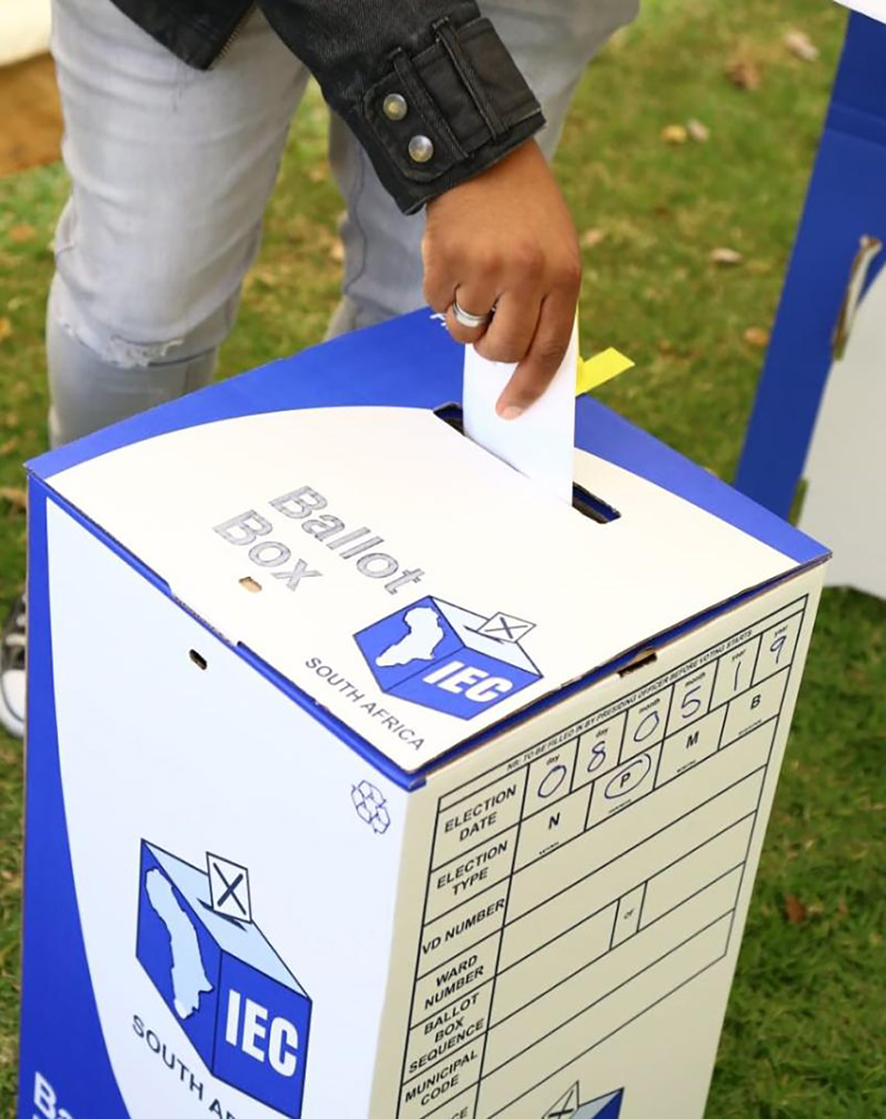
The ballots have been counted, the campaign posters are coming down and South Africans have delivered their verdict. In 138 municipalities, no political party secured an outright majority.
Voters have, therefore, handed political leaders a clear instruction: work together, compromise and govern in the public interest.
Instead, there is a growing danger that coalition negotiations will become consumed by personality clashes, political grudges and narrow partisan interests.
Parties have 14 days from when the IEC gazettes names of elected councillors to conclude coalition agreements. The urgency is obvious. Municipalities across South Africa face mounting crises. Roads are deteriorating, power supply remains unreliable, water systems are under strain and financial mismanagement plagues many councils.
In several towns and cities, residents have endured years of declining services, while political instability has paralysed decision-making.
Against that backdrop, coalition negotiations should be focused on one question above all others: What arrangement is most likely to produce stable, effective and accountable local government?
Unfortunately, some of the early signals suggest that not everyone has received that memo. Particularly troubling are demands that centre on individuals. The reported insistence by ActionSA that the DA remove Helen Zille and Cilliers Brink as a condition for coalition cooperation in Johannesburg and Tshwane is an example of how quickly important negotiations can be derailed by personality politics. Municipal coalition talks should not rise or fall on personal preferences or political animosities.
Residents are not primarily concerned with battles between political leaders. They want street lights that work, refuse that is collected, roads that are maintained and communities that are safe.
Coalition governments are exercises in compromise. No party gets everything it wants. No leader enjoys complete control.
Political parties, therefore, have a responsibility to respect the voters’ mandate. That means entering negotiations prepared to make concessions in pursuit of broader goals.
It means focusing on policy programmes, governance standards, budget priorities and mechanisms for accountability. It means asking which coalition can best restore investor confidence, improve service delivery and ensure administrative stability.
Most importantly, it means recognising that coalition talks are not an opportunity to pursue personal vendettas.
Municipalities need competent leadership, sound management and stable governance. Every day wasted on political grandstanding is a day lost in addressing the real challenges confronting residents.
The coalition negotiations are an important test of political leadership. Parties can choose confrontation, allowing egos and personal rivalries to dictate outcomes. Or they can rise to the occasion and focus on the needs of the citizens.
The choice should not be difficult. Voters have spoken. Political leaders must demonstrate that they are capable of listening. If parties lose sight of that simple truth, they will betray the spirit of the voters’ mandate and squander a vital opportunity to rescue communities that desperately need effective governance.
- In 138 South African municipalities, no political party won an outright majority, necessitating coalition agreements.
- Political parties have 14 days from the IEC gazette of elected councillors to finalize coalition agreements.
- Municipalities face significant challenges including deteriorating roads, unreliable power supply, strained water systems, and financial mismanagement.
- ActionSA reportedly demanded the removal of Helen Zille and Cilliers Brink as a condition for coalition cooperation in Johannesburg and Tshwane.
- Coalition negotiations should prioritize stable, effective, and accountable local government focused on service delivery and governance, rather than personal or political disputes.
The ballots have been counted, the campaign posters are coming down and South Africans have delivered their verdict. In 138 municipalities, no political party secured an outright majority.
Voters have, therefore, handed political leaders a clear instruction: work together, compromise and govern in the public interest.
Instead, there is a growing danger that coalition negotiations will become consumed by personality clashes, political grudges and narrow partisan interests.
Parties have 14 days from when the IEC gazettes names of elected councillors to conclude coalition agreements. The urgency is obvious. Municipalities across South Africa face mounting crises. Roads are deteriorating, power supply remains unreliable, water systems are under strain and financial mismanagement plagues many councils.
In several towns and cities, residents have endured years of declining services, while political instability has paralysed decision-making.
Against that backdrop, coalition negotiations should be focused on one question above all others: What arrangement is most likely to produce stable, effective and accountable local government?
Unfortunately, some of the early signals suggest that not everyone has received that memo. Particularly troubling are demands that centre on individuals. The reported insistence by ActionSA that the DA remove Helen Zille and Cilliers Brink as a condition for coalition cooperation in Johannesburg and Tshwane is an example of how quickly important negotiations can be derailed by personality politics. Municipal coalition talks should not rise or fall on personal preferences or political animosities.
Residents are not primarily concerned with battles between political leaders. They want street lights that work, refuse that is collected, roads that are maintained and communities that are safe.
Coalition governments are exercises in compromise. No party gets everything it wants. No leader enjoys complete control.
Political parties, therefore, have a responsibility to respect the voters’ mandate. That means entering negotiations prepared to make concessions in pursuit of broader goals.
It means focusing on policy programmes, governance standards, budget priorities and mechanisms for accountability. It means asking which coalition can best restore investor confidence, improve service delivery and ensure administrative stability.
Most importantly, it means recognising that coalition talks are not an opportunity to pursue personal vendettas.
Municipalities need competent leadership, sound management and stable governance. Every day wasted on political grandstanding is a day lost in addressing the real challenges confronting residents.
The coalition negotiations are an important test of political leadership. Parties can choose confrontation, allowing egos and personal rivalries to dictate outcomes. Or they can rise to the occasion and focus on the needs of the citizens.
The choice should not be difficult. Voters have spoken. Political leaders must demonstrate that they are capable of ing. If parties lose sight of that simple truth, they will betray the spirit of the voters’ mandate and squander a vital opportunity to rescue communities that desperately need effective governance.


