

The full-scale escalation of the geopolitical conflict between the US and Iran in early 2026, with the upgraded control of the Strait of Hormuz as the core trigger, triggered systemic shocks to the global supply chain, key shipping lanes, inflation patterns, and economic growth. This conflict was not merely a military confrontation in a single region, but an extreme stress test of the resilience of industrial and supply chains in the era of globalisation. Its impact extended from energy and commodities to multiple core sectors such as semiconductors, pharmaceuticals, and manufacturing, plunging the global economy back into uncertainty after a brief respite from cooling inflation.
Price shocks, growth disruption
The Strait of Hormuz, as a crucial choke point for global maritime crude oil and LNG trade, saw its traffic volume plummet by over 90%. This not only directly impacted the energy market but also, through the chain of shipping lane blockades, supply chain disruptions, and the cascading cost increases, caused a qualitative shift in the global economy from “price shocks” to “growth disruption”.
The impact of the Middle East conflict on global supply chain security is multi-dimensional, systemic, and rapidly spreading, breaking the risk boundaries of single sectors and evolving into a chain reaction across the entire industry chain. The energy sector has been among the first to suffer, with a significant decrease in Middle Eastern crude oil exports, the shutdown of Qatar’s core LNG facilities, and Brent crude oil prices soaring from $60/barrel at the beginning of the year to over $100, approaching $120 at times. Global natural gas prices have also surged, with Asian LNG prices rising by 143%.
Production costs pushed up
As the “lifeblood” of industrial production, the surge in energy prices has directly increased production costs across all industries. Raw material and transportation costs in sectors such as chemicals, vehicles, and electronics manufacturing have risen sharply. The shutdown of methanol and ethylene glycol production capacity in Iran has led to a contraction in the supply of related products in major importing countries such as China, resulting in a price increase.
More seriously, the conflict has affected the supply of core raw materials in key sectors such as semiconductors and pharmaceuticals, with industries such as AI servers and consumer electronics facing production capacity constraints.
Risk of drug shortages
Air freight volumes in the Gulf region have decreased significantly, hindering the transportation of cold-chain pharmaceutical products such as vaccines and insulin, and creating a risk of drug shortages in regions with weak supply chains, such as Africa.
Meanwhile, shipments from key manufacturing bases such as Israel’s Tower Semiconductor have been hampered, triggering a global shift of orders for mature process chips and putting the global technology industry under the dual pressure of soaring hardware costs and longer delivery cycles.
Collapse of key shipping lanes
The collapse of key shipping lanes’ safety is the core conduit for the amplification of global supply chain risks in this conflict. The de facto blockade of the Strait of Hormuz, coupled with the security risks of the Red Sea – Mandeb Strait, has created a rare “double choke point” obstruction in global shipping history.
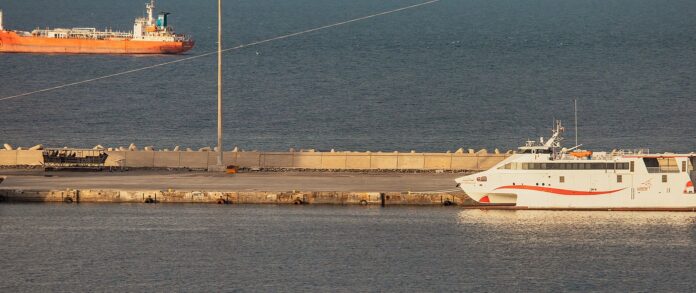
Following the outbreak of the conflict, the daily number of ships passing through the Strait of Hormuz dropped sharply, causing a large number of vessels to be stranded in the Persian Gulf. Major shipping companies such as Maersk and MSC suspended operations or detoured around the Cape of Good Hope.
The obstruction of shipping lanes not only drove up logistics costs but also triggered a chain reaction of disruptions in the global shipping network. Capacity at core air cargo hubs in the Middle East, such as Dubai and Doha, decreased, air cargo insurance premiums multiplied, and the transport channels for high-value, time-sensitive goods were severely restricted.
Rising logistics costs have become a long-term burden on global trade, and the trade in bulk commodities and manufactured goods reliant on Middle Eastern shipping lanes has been forced to adjust its flow due to transportation uncertainties, further exacerbating regional imbalances in the global supply chain.
Economic headwinds
The resurgence of inflation and the pressure on global economic growth are the most direct macroeconomic consequences of the Middle East conflict, rendering previous efforts to suppress inflation futile and even threatening stagflation for some economies. From an inflation perspective, soaring energy prices are the core driver. According to industry experience, for every $10/barrel increase in oil prices, global inflation will rise by 0.3-0.4 percentage points.
Currently, US commodity inflation has surged from less than 1% to 3.5% year-on-year, manufacturing costs in the Eurozone continue to rise, and emerging economies such as India and the Philippines face the prospect of diesel prices doubling. Oxford Economics estimates that if crude oil prices remain around $140 for two months, some regions globally will experience a mild recession.
Fragility of global supply chains
The United Nations Development Programme assesses that the Middle East alone will face economic losses of $120-billion to 194-billion in 2026, with GDP growth plummeting from 4% to 0.7%. Global economic growth is projected to fall from 2.9% in 2025 to 2.6%, and the Eurozone’s GDP growth forecast has been revised down to 0.3%.
This geopolitical conflict in the Middle East once again demonstrates that in an era where globalisation and geopolitical competition are intertwined, the fragility of global supply chains has become the norm, and disturbances in a single region can trigger systemic risks. For enterprises, this conflict presents both a challenge and an opportunity to enhance supply chain resilience and optimize its layout. Only by abandoning the singular pursuit of low cost and high efficiency, and building a “diversified, independent, controllable, and resilient” supply chain system, can they gain a foothold in the complex and ever-changing global landscape.
Liu Xu is an executive director of the Center for International Energy and Environment Strategy Studies at Renmin University of China.
- The 2026 US-Iran conflict, centered on control of the Strait of Hormuz, caused severe global supply chain disruptions, affecting energy, semiconductors, pharmaceuticals, and manufacturing sectors and triggering systemic economic shocks.
- Strait of Hormuz maritime traffic dropped over 90%, causing energy supply shortages, soaring oil and gas prices (oil surged from $60 to nearly $120/barrel; Asian LNG prices up 143%), and triggering a shift from price shocks to growth disruptions globally.
- Rising energy costs increased production expenses across industries, while shutdowns in Iran curtailed raw material supplies, especially impacting semiconductor and pharmaceutical production; air freight declines risked drug shortages in vulnerable regions.
- The conflict caused a blockade of vital shipping lanes, notably the Strait of Hormuz and Red Sea-Mandeb Strait, forcing major shipping firms to reroute and dramatically increasing logistics costs, air cargo premiums, and delivery delays worldwide.
- Global economic growth slowed (from 2.9% in 2025 to 2.6%), inflation surged (commodity inflation in the US rose to 3.5%), and the Middle East faced severe economic losses; this crisis highlighted global supply chain vulnerabilities and the need for diversified, resilient supply chains.
As the "lifeblood" of industrial production, the surge in energy prices has directly increased production costs across all industries. Raw material and transportation costs in sectors such as chemicals, vehicles, and electronics manufacturing have risen sharply.
More seriously, the conflict has affected the supply of core raw materials in key sectors such as semiconductors and pharmaceuticals, with industries such as AI servers and consumer electronics facing production capacity constraints.
Air freight volumes in the Gulf region have decreased significantly, hindering the transportation of cold-chain pharmaceutical products such as vaccines and insulin, and creating a risk of drug shortages in regions with weak supply chains, such as Africa.
Meanwhile, shipments from key manufacturing bases such as Israel's Tower
Currently, US commodity inflation has surged from less than 1% to 3.5% year-on-year, manufacturing costs in the Eurozone continue to rise, and emerging economies such as
Liu Xu is an executive director of the Center for International Energy and Environment Strategy Studies at Renmin University of China.