


Dear President Donald Trump
Thank you for announcing your intention to divorce South Africa from the African Growth and Opportunity Act (Agoa). Some of us have been uncomfortable with this arranged marriage for years.
We never understood why a relationship supposedly built on mutual prosperity required one partner to swallow whatever the other put on the dinner table. And I mean that literally.
On Monday, your administration announced South Africa’s removal from Agoa, effective January 1, citing trade barriers, corruption and American national security interests.
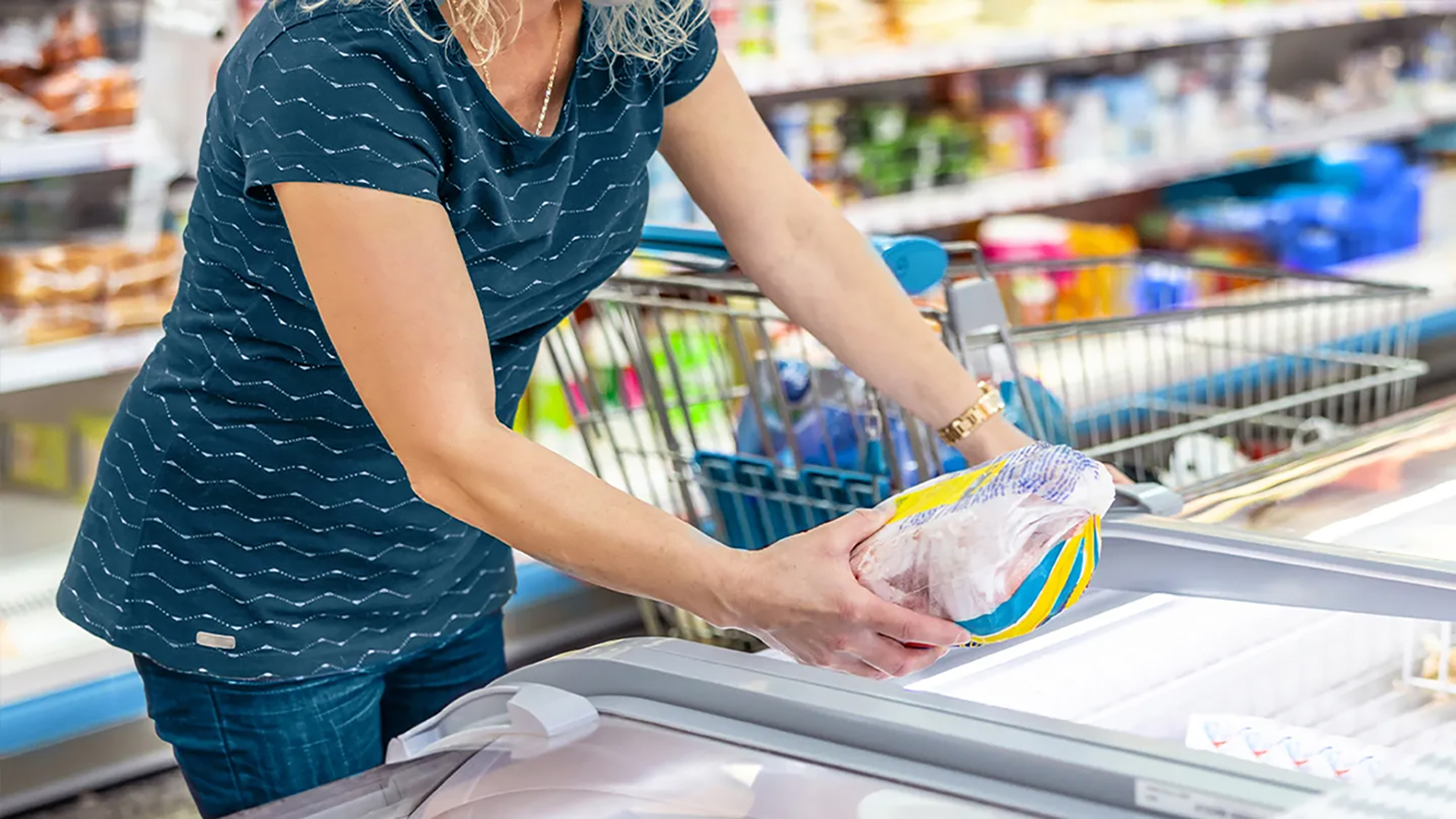
The announcement reminded me of another American president who believed access to his country’s markets should come with chicken on the menu.
Your predecessor, Barack Obama, demonstrated American diplomacy in 2015. On June 5 and 6 that year, South Africa agreed in Paris to admit 65 000 tonnes of American bone-in chicken portions
annually without anti-dumping duties. Former trade minister Rob Davies confirmed the arrangement on January 7, 2016. But Washington wanted more.
On January 11, Obama threatened to suspend South Africa’s agricultural Agoa benefits from March 15 unless outstanding market-access disputes were resolved. By late February, American frozen chicken legs were arriving at Durban harbour.
Imagine that, Mr President! A sovereign country threatened with economic consequences because it would not readily accept another country’s chicken portions. Not revolutionary medicine, not aircraft technology but chicken!
The concerns were hardly imaginary. On November 18, 2016, Farmer’s Weekly reported complaints by Kevin Lovell, the then-CEO of the South African Poultry Association, about the size and quality of imported American portions. Lovell described chicken leg quarters exceeding 700g, about twice the size South African consumers were accustomed to. He also complained that some portions were physically poor and difficult to separate.
The dispute also involved poultry-processing chemicals and Salmonella testing. The US government’s 2016 report confirmed that South Africa agreed on January 6 to replace its zero-tolerance Salmonella testing approach with risk-based sampling. Washington considered the previous standard scientifically unjustified. It raises questions about how trade negotiations influence food-safety regulation.
Mr President, perhaps you have never visited rural South African households where chickens roam freely. Where I come from, we buy chickens from neighbours who raise them. Beautiful chickens, proper chickens, raised in communities where their owners earn a living. Then there is our legendary Mzansi “sterring”, commonly known as hardbody. You cannot rush it into submission with a microwave. It demands fire, patience, seasoning and respect, taking hours to cook but weeks to forget the taste.
Sometimes the toughest things deliver the sweetest rewards and every chicken purchased from a neighbour keeps money circulating locally. That hardbody represents enterprise, resilience and the dignity of producing what we consume. Yet here was America insisting its poultry should be on our plates.
Yes, Agoa was never exclusively about chicken. According to our trade department, Agoa exports amounted to about $1.7-billion last year, just 1% of the country’s global exports.
Undoubtedly, losing preferential access is frightening for citrus growers, automotive manufacturers and workers dependent on American markets. Their livelihoods deserve protection. Economic opportunity should never require permanent political obedience.
Perhaps this divorce will encourage us to strengthen local industries, diversify markets and appreciate what grows in our backyards. South Africa must protect exposed jobs while building an economy capable of surviving without preferential treatment.
Mr President, thank you for the divorce notice, even if separation will not be painless. You can keep your chicken and we will keep our hardbody.
• Mogakane is a correspondent in Mpumalanga
- The Trump administration announced South Africa’s removal from the African Growth and Opportunity Act (Agoa), effective January 1, citing trade barriers, corruption, and American national security interests.
- In 2015, South Africa agreed to admit 65,000 tonnes of American bone-in chicken portions annually without anti-dumping duties as part of a trade arrangement.
- Former South African trade minister Rob Davies confirmed the chicken import arrangement on January 7, 2016, and the US threatened to suspend agricultural Agoa benefits if disputes were not resolved.
- The 2016 dispute included complaints about the size and quality of American chicken imports and disagreements over poultry-processing chemicals and Salmonella testing standards.
- Agoa exports from South Africa amounted to about $1.7 billion in 2019, representing just 1% of the country’s global exports, mainly benefiting sectors like citrus growers and automotive manufacturers.
Dear President Donald Trump
Thank you for announcing your intention to divorce South Africa from the African Growth and Opportunity Act (Agoa). Some of us have been uncomfortable with this arranged marriage for years.
We never understood why a relationship supposedly built on mutual prosperity required one partner to swallow whatever the other put on the dinner table. And I mean that literally.
On Monday, your administration announced South Africa’s removal from Agoa, effective January 1, citing trade barriers, corruption and American national security interests.
The announcement reminded me of another American president who believed access to his country’s markets should come with chicken on the menu.
Your predecessor, Barack Obama, demonstrated American diplomacy in 2015. On June 5 and 6 that year, South Africa agreed in Paris to admit 65 000 tonnes of American bone-in chicken portions
annually without anti-dumping duties. Former trade minister Rob Davies confirmed the arrangement on January 7, 2016. But Washington wanted more.
On January 11, Obama threatened to suspend South Africa’s agricultural Agoa benefits from March 15 unless outstanding market-access disputes were resolved. By late February, American frozen chicken legs were arriving at Durban harbour.
Imagine that, Mr President! A sovereign country threatened with economic consequences because it would not readily accept another country’s chicken portions. Not revolutionary medicine, not aircraft technology but chicken!
The concerns were hardly imaginary. On November 18, 2016, Farmer’s Weekly reported complaints by Kevin Lovell, the then-CEO of the South African Poultry Association, about the size and quality of imported American portions. Lovell described chicken leg quarters exceeding 700g, about twice the size South African consumers were accustomed to. He also complained that some portions were physically poor and difficult to separate.
The dispute also involved poultry-processing chemicals and Salmonella testing. The US government’s 2016 report confirmed that South Africa agreed on January 6 to replace its zero-tolerance Salmonella testing approach with risk-based sampling. Washington considered the previous standard scientifically unjustified. It raises questions about how trade negotiations influence food-safety regulation.
Mr President, perhaps you have never visited rural South African households where chickens roam freely. Where I come from, we buy chickens from neighbours who raise them. Beautiful chickens, proper chickens, raised in communities where their owners earn a living. Then there is our legendary Mzansi “sterring”, commonly known as hardbody. You cannot rush it into submission with a microwave. It demands fire, patience, seasoning and respect, taking hours to cook but weeks to forget the taste.
Sometimes the toughest things deliver the sweetest rewards and every chicken purchased from a neighbour keeps money circulating locally. That hardbody represents enterprise, resilience and the dignity of producing what we consume. Yet here was America insisting its poultry should be on our plates.
Yes, Agoa was never exclusively about chicken. According to our trade department, Agoa exports amounted to about $1.7-billion last year, just 1% of the country’s global exports.
Undoubtedly, losing preferential access is frightening for citrus growers, automotive manufacturers and workers dependent on American markets. Their livelihoods deserve protection. Economic opportunity should never require permanent political obedience.
Perhaps this divorce will encourage us to strengthen local industries, diversify markets and appreciate what grows in our backyards. South Africa must protect exposed jobs while building an economy capable of surviving without preferential treatment.
Mr President, thank you for the divorce notice, even if separation will not be painless. You can keep your chicken and we will keep our hardbody.
• Mogakane is a correspondent in Mpumalanga


