


No amount of public diplomacy and/or spin doctoring is helping to stop the downward trajectory of Israel’s public relations and support. It is in the doldrums. After October 7, 2023, in which Hamas fighters killed 1 195 Israelis, support and sympathy for Israel went through the roof.
But this lasted only a few weeks because, once Israel unleashed its revenge on the Palestinians in the name of “self-defence”, the world saw it for what it is: an occupying ethno-apartheid state committing genocide. Bombs falling and falling and, with them, Israel’s humanity and empathy.
Western governments, for the most part, are supporting Israel in this genocide, with weapon sales and sharing intelligence and logistics.
The people of these countries are saying “not in our name”. They do not support Israel’s murderous collective punishment of Palestinians. They do not support the senseless killing of innocent women and children en-masse. Millions are marching and protesting against Israel and its war criminal leaders.
The response of the Western governments is brutal repressive attacks on their own citizens. Proscribing organisations as terrorists and violently arresting, detaining and clamping down on protests. The UK, France and Germany lead the way with the abuse of their citizens’ rights to free expression, freedom of speech and freedom to protest.
All the while, Israel continues its genocide in Gaza and the West Bank. This while a ceasefire is supposedly in place. Israel is a dishonest government that cannot be trusted with such agreements. Its lust for killing immeasurable.
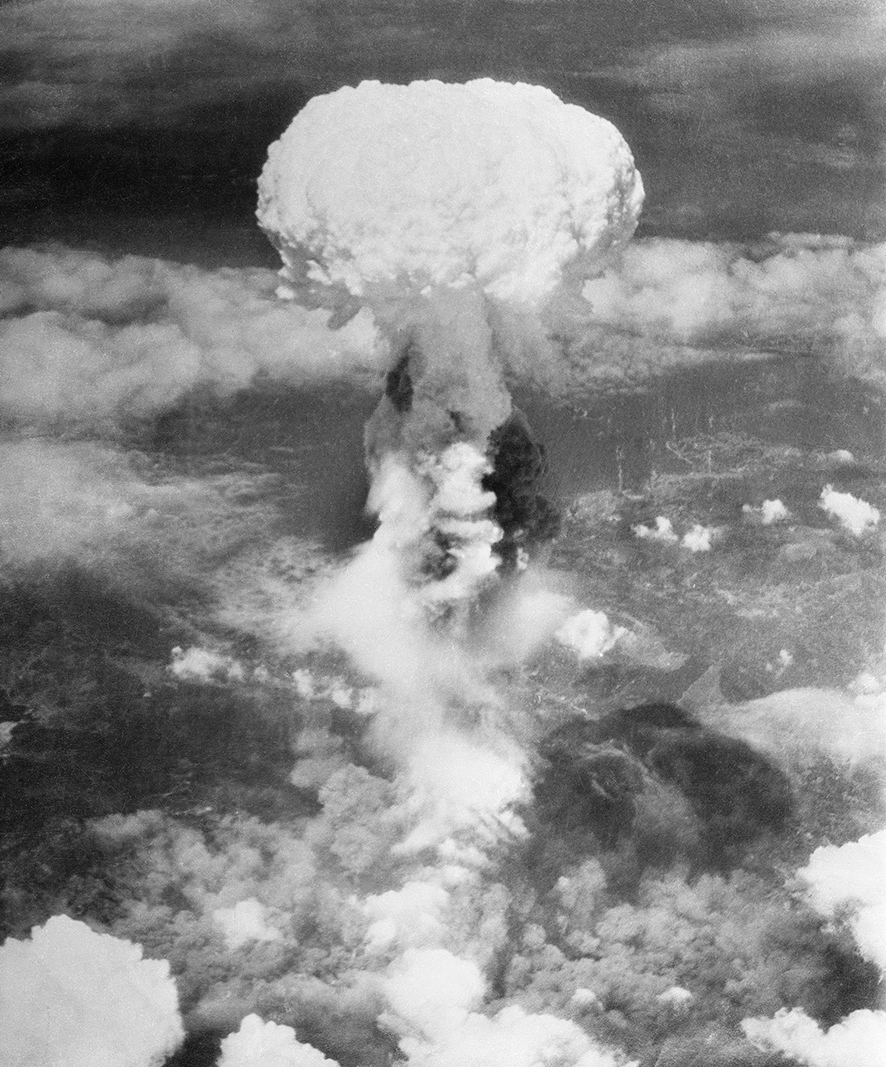
The total explosive tonnage dropped on Gaza is greater than the combined yields of the atomic bombs dropped on Hiroshima and Nagasaki. Multiple analyses estimate that the cumulative explosive power used in Gaza is equivalent to roughly six to 15 times the power of the Hiroshima bomb alone. Gaza is less than half the size of Hiroshima, meaning the density of explosives per square kilometre was vastly higher. The comparison is complex though because the nature of the weapons differs. The 1945 bombs were single nuclear devices that caused mass destruction through blast, heat and radiation. The Gaza bombardment consists of tens of thousands of conventional munitions, including large bombs, artillery shells, and missiles, delivered over a sustained period.
While the total tonnage is far greater, the instantaneous, catastrophic impact of a nuclear detonation is distinct from the cumulative, relentless nature of the conventional bombing campaign in Gaza. This is a more evil, calculated and sustained killing field.
Israel has attempted to shape global public opinion and counter international criticism, particularly regarding its military actions in Gaza and Lebanon, through a massive, multifaceted public diplomacy (hasbara) and information campaign these past few years.
How has it done?
Israel dramatically scaled up its public diplomacy spending, allocating about $730-million (R12-billion) for this year’s state budget (a fivefold increase from last year’s $150-million.
The Israeli government and affiliated partners used paid influencer campaigns (such as the Esther Project and networks coordinated via agencies such as Havas and Bridges Partners), engaging tens of thousands of global social media accounts to generate billions of views in favour of Israel. It increased targeted ad buys on platforms such as X, Google, YouTube and Outbrain, focusing Western audiences on hostage narratives in the beginning, security justifications and counter-messaging against mainstream media reports of casualties and starvation.
The state also organises international tours and visits for foreign elected officials, journalists and MAGA or media influencers to showcase its perspective first-hand.
Public messaging frequently emphasises Holocaust education, historical parallels to rising global anti-Semitism and existential threats from Iran and its regional proxies.
All to no avail. The world is no longer falling for Israel’s propaganda. Analysts and media watchdogs have frequently described the digital and influencer-driven blitz as a “triumphant failure”, arguing that state-backed messaging struggles to counterbalance real-time imagery, high casualty counts, and legal scrutiny from international bodies like the International Criminal Court and the International Court of Justice.
The latest desperate statement from the Israeli government on the choice of the Nobel Peace Prize Committee is further proof of how it is losing this PR war.
Navi Pillay’s win yet again reinforces the moral authority South Africa has and can project globally and why it had to be us holding Israel accountable for committing genocide against the Palestinians.
• Dr Van Heerden is a senior research fellow at the Centre for African Diplomacy and Leadership at UJ
- Support and sympathy for Israel surged briefly after the October 7, 2023 Hamas attacks but declined sharply as Israel launched military retaliation in Gaza and the West Bank.
- Western governments largely back Israel with weapons sales and intelligence-sharing, while citizens in those countries protest the actions against Palestinians.
- Israel deployed a bombing campaign on Gaza with an explosive tonnage vastly exceeding that of Hiroshima and Nagasaki combined, described as a sustained and calculated killing campaign.
- Israel spent about $730 million on public diplomacy in 2024, using influencer campaigns and targeted ads to shape global opinion but has failed to reverse negative perceptions.
- The article cites the Nobel Peace Prize win by Navi Pillay and South Africa's stance as reinforcing global moral condemnation of Israel's actions against Palestinians.


