


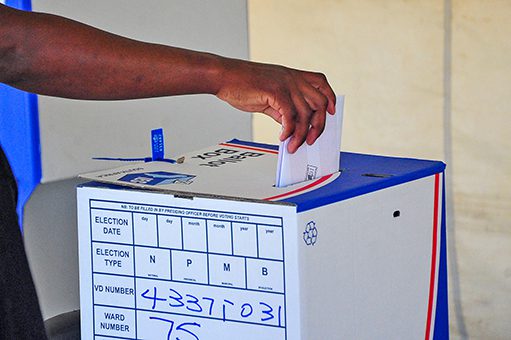
With just two weeks remaining before the country goes to the polls to elect local government representatives, I have observed a growing number of disheartened residents expressing their intention not to vote in the upcoming elections, both on social media and through news outlets. They have cited various reasons for their decision, with the lack of basic service delivery in their communities ranking high on the list.
Their frustration is understandable. Communities have legitimate expectations of reliable services, accountable leadership and responsive government. However, choosing not to vote will not resolve these challenges. Disengaging from the electoral process means missing an opportunity to make one’s voice heard and hold elected representatives accountable.
Voting alone will not fix every problem, but it remains an important democratic tool through which residents can influence local leadership and the direction of their municipalities. Disappointment should not translate into disengagement. Instead, it should encourage residents to ask difficult questions, demand accountability and choose leaders they believe can make a meaningful difference in their communities.
Local government’s direct impact on daily life
Local government is the sphere of government closest to the people, making local government elections one of the most important expressions of democracy in South Africa. They determine who leads our municipalities, makes decisions about public resources and takes responsibility for services that shape our everyday lives. From water, roads, sanitation, electricity and waste removal to community infrastructure, municipal decisions directly affect residents’ quality of life.
Despite the importance of these elections, some residents may choose not to participate, believing their individual vote will make little difference. Others may feel let down by governance challenges, frustrated by the slow pace of service delivery or unconvinced that their participation will bring meaningful change.
The cost of staying away from the polls
These concerns deserve to be acknowledged. However, residents should also consider what is at stake when they withdraw from the democratic process. Whether they vote or not, decisions will still be made on their behalf. By not participating, they surrender an opportunity to influence who makes those decisions.
Municipal councils will still be formed, budgets approved, development priorities determined and by-laws adopted. The question is whether residents will participate in choosing the people entrusted with making these decisions.
Democracy requires more than a ballot
The importance of voting extends beyond election day. A functioning democracy requires residents to remain engaged with elected representatives, understand municipal responsibilities and hold public institutions accountable. This responsibility continues throughout the five-year term of elected representatives.
Residents should attend community meetings, participate in public consultations, engage ward committees, monitor municipal performance and raise concerns through appropriate channels. A meaningful democracy requires more than casting a ballot; it demands sustained public participation in governance.
Young people have a stake in local decisions
Young people, in particular, should recognise that local government decisions influence their opportunities for education, employment, entrepreneurship and housing, as well as their access to public amenities. Their participation provides an opportunity to bring these priorities into the democratic conversation and influence decisions affecting their future.
Making an informed choice on November 4
With just two weeks remaining before the local government elections on November 4 2026, eligible voters should familiarise themselves with municipal responsibilities, assess the track records and commitments of candidates and political parties, and consider their proposed approaches to service delivery, financial management, infrastructure development and public accountability.
Disappointment with governance should not be dismissed. Instead, it should motivate citizens to scrutinise performance, demand answers and make informed choices when electing their representatives.
The future of communities is on the ballot
The decisions made in municipal councils affect households, businesses, schools, public facilities and neighbourhoods. They determine public investment priorities and influence the conditions in which communities live, work and develop.
Every eligible voter should understand the significance of participating in the electoral process. No single vote can resolve every municipal challenge, and elections alone cannot guarantee effective governance. Sustainable progress also depends on capable institutions, sound financial management, ethical leadership, effective administration and active community oversight.
When you vote, you participate in deciding who represents you. When you do not vote, others make that choice through their participation. The future of your community is too important to leave entirely to someone else.
- Dlamini is a communicator in the Gauteng Office of the Premier.
- Many residents have expressed intentions to abstain from voting in the upcoming local government elections due to dissatisfaction with service delivery.
- Local government elections in South Africa determine municipal leadership responsible for essential services such as water, roads, sanitation, and electricity.
- Choosing not to vote means residents lose the chance to influence decisions on municipal councils, budgets, development priorities, and by-laws.
- Voting is vital for democratic participation but requires ongoing engagement with elected representatives beyond election day.
- Young people have significant stakes in local government decisions impacting education, employment, housing, and public amenities.


