


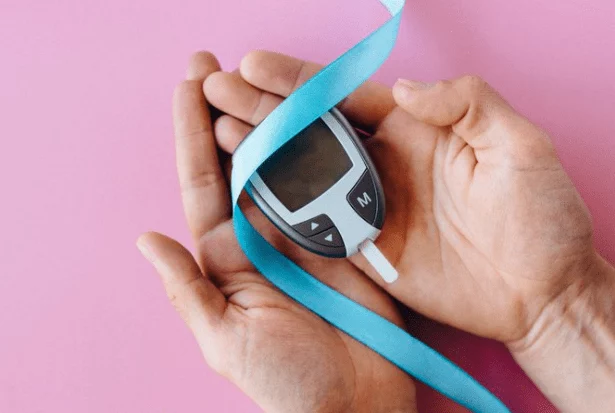
Diabetes is no longer a health challenge that can be addressed through awareness campaigns alone. It is a growing public health challenge that demands sustained intervention, early diagnosis, accessible treatment and a fundamental shift in how individuals and communities approach their health.
The latest mortality statistics released by Statistics South Africa in September 2026, titled “Mortality and causes of death in South Africa, 2024: Findings from death notification,” paint a deeply concerning picture. In 2024, diabetes claimed 28,767 lives nationally, accounting for 6.1% of all recorded deaths. This translates to almost 79 people dying every day from complications associated with the disease.
For three consecutive years, diabetes has been South Africa’s leading underlying natural cause of death. These figures are more than statistics; they represent lives lost, families devastated and the considerable pressure placed on an already stretched public healthcare system.
Gauteng is among the five provinces where diabetes ranked as the leading natural cause of death in 2024. This reality reinforces the urgency of strengthening prevention, screening and treatment interventions, particularly at primary healthcare level.
As we commemorate World Diabetes Day on 14 November under the theme, “Early Action on Diabetes”, the Gauteng Provincial Government is reaffirming its commitment to taking healthcare closer to communities and ensuring that residents are better equipped to prevent, identify and manage the disease.
ALSO READ: Let’s take the fight to diabetes, the silent killer taking 225 people a day in Mzansi
Comprehensive approach
The provincial government’s response recognises that tackling diabetes requires more than treating patients after they become ill. It requires a comprehensive approach that places prevention, early detection and long-term management at the centre of healthcare delivery.
Through the Gauteng Department of Health and Wellness, the provincial government continues to strengthen community-based screening programmes, enabling residents to check their blood glucose levels, blood pressure and other risk factors associated with non-communicable diseases.
These interventions are complemented by health promotion initiatives such as the Corner-to-Corner campaign and Wellness Wednesdays, which encourage healthier lifestyle choices and raise awareness about diabetes, hypertension and obesity.
The Asibe-Healthy GP campaign further reinforces this approach by promoting physical activity, balanced nutrition, smoking cessation and improved mental wellbeing. These initiatives recognise that preventing diabetes requires an environment in which healthy choices are encouraged and supported.
Importantly, the provincial government is also expanding access to healthcare services through mobile clinics.
In August 2026, seven additional mobile clinics were introduced, bringing Gauteng’s fleet to 53. Deployed across Johannesburg, Tshwane, Ekurhuleni and Sedibeng, these facilities bring essential services, including diabetes and hypertension screening, closer to communities with limited access to fixed healthcare facilities.
Consistent and quality treatment
Early diagnosis must be followed by consistent, quality treatment.
For people already living with diabetes, regular monitoring, access to medication, medical advice and adherence to treatment are essential in preventing complications such as kidney failure, blindness, cardiovascular disease and amputations.
ALSO READ: Personalised treatment is best for diabetics
A significant development in strengthening diabetes management is the National Diabetes HbA1c Dashboard, developed by the National Health Laboratory Service in collaboration with the Gauteng Department of Health, National Priority Programmes and the Wits Diagnostic Innovation Hub. The dashboard provides near-real-time information on diabetes control, allowing healthcare practitioners to identify high-risk patients, monitor treatment outcomes and intervene more quickly.
This is an important step towards a more responsive, evidence-based healthcare system in which information informs decisions and patients receive attention before preventable complications develop.
Collaborative approach
While government has an important responsibility to provide accessible healthcare, the fight against diabetes cannot be won by the health system alone. Families, workplaces, schools, community organisations and individuals all have a role to play.
Residents are encouraged to make healthier food choices, reduce their intake of sugary drinks, remain physically active, maintain healthy body weight and undergo regular health screenings. Those already diagnosed must take prescribed medication, attend follow-up appointments and work closely with healthcare professionals.
Crucially, diabetes should not be surrounded by stigma or misinformation. People living with the condition need support, understanding and access to reliable health information.
The 79 deaths recorded every day should serve as a wake-up call. Gauteng’s interventions demonstrate a commitment to prevention, early detection, community outreach and improved chronic disease management. The task now is to deepen these efforts, close gaps in access and ensure that no resident is left behind.
- Dlamini is a communicator in the Gauteng Office of the Premier
- Diabetes is no longer a health challenge that can be addressed through awareness campaigns alone.
- It is a growing public health challenge that demands sustained intervention, early diagnosis, accessible treatment and a fundamental shift in how individuals and communities approach their health.
- The latest mortality statistics released by Statistics South Africa in September 2026, titled “Mortality and causes of death in South Africa, 2024: Findings from death notification,” paint a deeply concerning picture.
- In 2024, diabetes claimed 28,767 lives nationally, accounting for 6.1% of all recorded deaths.
- This translates to almost 79 people dying every day from complications associated with the disease.


