


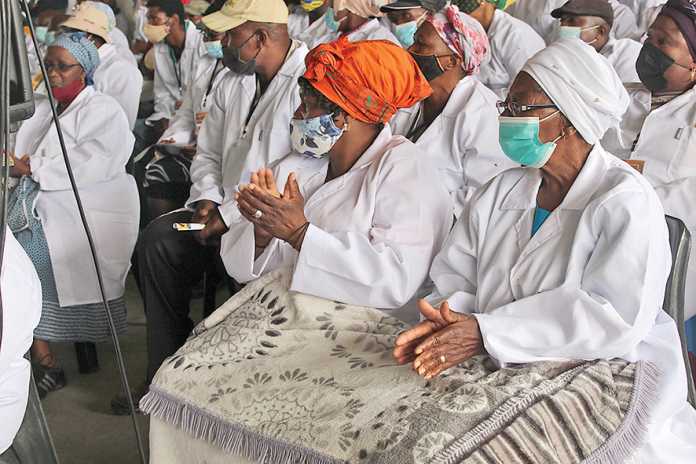
October is recognised as Social Development Month in South Africa, providing an opportunity to reflect on the importance of building inclusive communities where everyone can live with dignity and enjoy their fundamental human rights. The month also coincides with the International Day of Older Persons, commemorated annually on 1 October following its proclamation by the United Nations General Assembly in 1990 through Resolution 45/106.
This commemoration reminds us that ageing is a natural part of life and that older persons deserve to live in environments where they are respected, protected and empowered to participate meaningfully in society. It also provides an opportunity to address the challenges they face, including abuse, neglect, poverty, social isolation and barriers to essential services.
Caring for older persons goes beyond providing food, shelter and healthcare. It requires a collective commitment to protecting their rights, preserving their independence and recognising their continued value within families and communities.
Breaking the silence around elder abuse
Elder abuse remains a serious concern that can occur within families, communities and residential care facilities. It takes various forms, including physical, emotional, financial and sexual abuse, as well as neglect and violations of an older person’s rights.
Financial abuse, for example, may involve the misuse of an older person’s pension, property or savings without their consent. Neglect occurs when basic needs such as food, shelter, personal hygiene, healthcare and safety are not adequately met.
Such abuse can have devastating consequences for an older person’s physical health, emotional well-being and financial security.
Unfortunately, elder abuse often goes unreported. Some older persons may fear retaliation, abandonment or losing the support of their caregivers. Others may experience difficulties reporting abuse because of health challenges, limited mobility or a lack of information about available services.
Families, neighbours and community organisations therefore have a responsibility to recognise warning signs, report suspected abuse through appropriate channels and help affected individuals access the necessary support.
Protecting older persons is not simply an act of kindness; it is a fundamental human rights responsibility.
Government support and community-based care
The Gauteng Department of Social Development plays an important role in protecting and supporting older persons through community-based care, residential services, awareness programmes and partnerships with non-profit organisations.
Through its Older Persons Programme, the Department promotes awareness of older persons’ rights, addresses elder abuse and encourages communities to recognise the contributions of older people.
Community-based services, including service centres and luncheon clubs, provide opportunities for older persons aged 60 and above who can function independently to socialise, access nutritious meals, participate in recreational activities and receive assistance in accessing healthcare and counselling services. These initiatives help reduce social isolation while promoting active ageing and strengthening community connections.
Additional services include day-care programmes, home-based care for eligible frail older persons and residential facilities for those requiring more intensive support. Depending on their needs, older persons may receive assistance with personal care, meals, healthcare, counselling and other essential services.
The Department also works with non-profit organisations to strengthen service delivery through funding, monitoring, capacity-building and other forms of support.
Promoting active and meaningful ageing
Initiatives such as the Golden Games and Choir Festivals further demonstrate that growing older does not mean withdrawing from community life. These activities promote physical well-being, social interaction, participation and a sense of belonging.
However, the success of these interventions depends on continued collaboration between government, families, civil society and communities. It is equally important to ensure that older persons and their caregivers are aware of available services and know how to access them.
A collective responsibility to protect dignity
As we commemorate Social Development Month, we must move beyond symbolic celebrations towards meaningful action. Protecting older persons begins in our homes and communities by listening to their concerns, respecting their decisions, meeting their basic needs and refusing to tolerate abuse or exploitation.
Families must remain attentive to the needs of older relatives, while communities should identify and support those who may be isolated or living in difficult circumstances. Government departments, non-profit organisations and other stakeholders must continue working together to strengthen support systems, improve access to services and ensure that older persons experiencing abuse receive appropriate protection.
Ultimately, the measure of a caring society is not only how it supports its youngest members, but also how it treats those who have contributed to its history, development and collective identity.
Honouring those who built our communities
Older persons deserve to live their later years with dignity, security, independence and the assurance that their rights will be respected. By safeguarding their well-being and recognising their ongoing contributions, society affirms the values of respect, compassion and human dignity for all generations.
- Phetoho Maja is a Communicator at the Gauteng Department of Social Development.
- October is recognised as Social Development Month in South Africa and coincides with the International Day of Older Persons on 1 October.
- Elder abuse in South Africa can take forms such as physical, emotional, financial, sexual abuse, neglect, and rights violations, often going unreported due to fear or health challenges.
- The Gauteng Department of Social Development supports older persons through community-based care, residential services, awareness programmes, and partnerships with non-profit organisations.
- Community initiatives like service centres, luncheon clubs, day-care programmes, and the Golden Games promote active and social ageing for older persons aged 60 and above.
- Protecting older persons involves collective responsibility from families, communities, government departments, and civil society to ensure dignity, security, and respect for their rights.


