


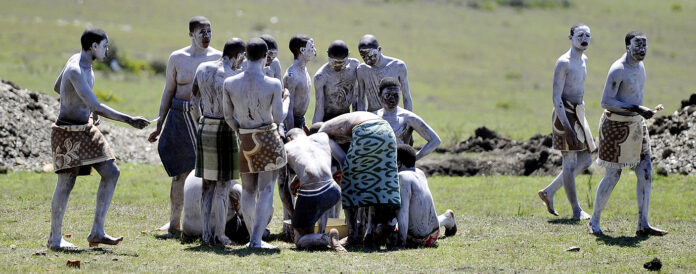
We are in the middle of another dreaded initiation season — a time when many families will be living on edge, praying for the safe return of their beloved sons.
For generations, the ancient custom of ulwaluko, practised among the amaXhosa, amaNdebele and other South African ethnic groups, has marked the sacred transition from boyhood to manhood. The tradition binds families and communities together, teaching discipline, respect and responsibility.
When conducted safely, it culminates in joyous celebrations where initiates are feted, showered with gifts in their communities where they are expected to take their rightful place as protectors and defenders of their families and kinship.
This is an important step in a young man’s life — if the process is conducted safely, with oversight and within approved health and medical standards. Safeguarding the health and dignity of initiates should be the foundation of the rite of passage.
Yet, the season has also become synonymous with tragedy. Too many young men lose their lives or their manhood through crude, botched surgeries performed by untrained practitioners wielding blunt knives or unsanitary tools.
Reports tell of initiates beaten, tortured, starved and even kidnapped — their parents forced to pay for their release from gangs of individuals masquerading as traditional surgeons. The ingcibi are often under the influence of alcohol or drugs.
Reports state that during the 2025 summer initiation season, 48 initiates lost their lives. That number should have shaken the nation to its core. Behind every statistic is a grieving mother, a devastated father and a community robbed of its future.
The national government has
acknowledged the crisis. Cooperative Governance and Traditional Affairs Minister Velenkosini Hlabisa convened a high-level meeting to address the deaths. Monitoring plans are in place in hotspots like Amathole and Buffalo City. In the Free State, cross-border operators along
the Lesotho border are under investigation. These are steps in the right direction but they are not enough.
The truth is stark when one reads reports that 476 young people died in five years. Former Health Minister Zwelini Mkhize said it plainly: “These deaths are unacceptable and should never have happened.”
Tradition must evolve to protect life. Oversight, regulation and accountability are not enemies of culture; they are its guardians. Circumcisions carry fatal risks when poorly trained practitioners use unsanitary tools, when dehydration is ignored and when septic wounds are mismanaged. Remote settings often mean help is far away.
We must rally together to ensure the safety of our young men. Parents must insist on safe, registered initiation schools and demand accountability. Communities must expose illegal schools. Government must enforce laws and ensure health services are present.
This is not a plea against culture, it is a plea for life.
- Botha is a founder member of the South Africa Men’s forum.
- The traditional initiation rite of ulwaluko among South African ethnic groups marks the transition from boyhood to manhood, teaching discipline, respect, and responsibility.
- When safely conducted, it culminates in celebrations where initiates are honored as future protectors of their families and communities.
- However, the initiation season has become associated with tragedies, including deaths, injuries, and abuses caused by untrained practitioners using unsafe methods.
- In 2025 alone, 48 initiates died, contributing to a total of 476 deaths over five years, prompting government action including high-level meetings and monitoring in fatality hotspots.
- The article calls for the modernization of the tradition through oversight, regulation, and community accountability to protect initiates’ health and dignity without undermining cultural values.


