


Conservation is often measured by outcomes related to the health of our ecosystems, the protection of endangered species and the effective management of protected areas.
These are essential responsibilities. However, we must also measure our success by the opportunities we create for people and their wellbeing, particularly young South Africans who aspire to build careers in conservation but have limited access to the spaces, knowledge and networks that can help them succeed.
This is where the future of conservation lies and it is central to SANParks’ Vision 2040: People and Nature Thriving in Sustainable Mega-Living Landscapes.
Student visits
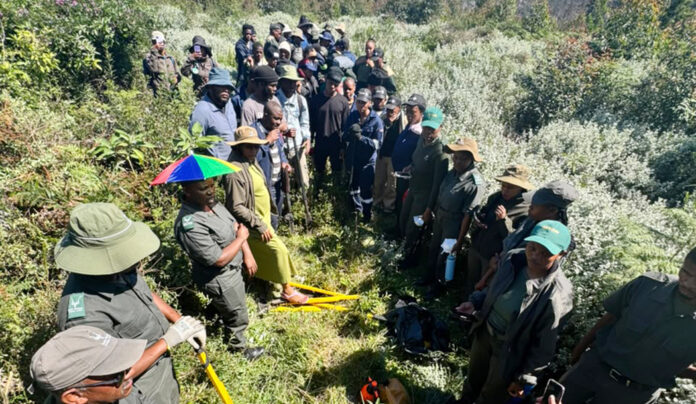
From September 27 to October 4, the Garden Route National Park welcomed more than 50 second-year diploma in nature conservation students from Mangosuthu University of Technology (MUT) to the Tsitsikamma Section of the national park.
Their visit, followed by a learning experience at Addo Elephant National Park, offered a practical demonstration of what becomes possible when conservation institutions and institutions of higher learning work together. For many students, this was their first visit to a national park.
Practical experience
Experiencing indigenous forests, rocky shores, tidal pools and marine protected areas gave them an opportunity to see beyond their textbooks and understand the complexity of managing South Africa’s natural heritage. Such exposure allows young people to connect their theoretical studies with the realities of the workplace and begin to imagine where their qualifications might take them.
The programme, facilitated by MUT’s Department of Nature Conservation under the leadership of Dr Sithembile Nkosi, combined academic learning with practical experience. Students participated in alien invasive species clearing, trail maintenance, guided hikes, plant identification, soil analysis and activities focused on rocky-shore ecosystems. They also engaged with SANParks professionals who shared insights into natural resource management.
The experiences reinforced an important lesson.
Conservation is a multidisciplinary field that requires scientific knowledge, practical skills, teamwork and an understanding of the relationship between people and nature. It also requires effective communication.
Before arriving in Tsitsikamma, students produced short TikTok videos promoting the park, demonstrating how digital platforms can help communicate conservation messages and encourage public appreciation of biodiversity.
Economic opportunities
Yet access to knowledge and practical experience is only part of the equation. We must also help young people recognise the economic opportunities in the conservation sector.
Conservation careers extend beyond becoming a ranger, scientist or park manager. There is scope for entrepreneurship and innovation in ecotourism, environmental education, ecological restoration, biodiversity monitoring, environmental consulting and digital content production. As we work towards Vision 2040, we must create an environment in which conservation contributes to sustainable livelihoods and allows more people to participate meaningfully in the green economy.
Mentorship
Mentorship is equally important. Nkosi’s journey offers a powerful example. Having served as an intern at SANParks earlier in her career, she understands the challenges graduates can face when moving from university into the workplace. Today, as an academic, researcher and mentor, she is helping prepare another generation of conservation professionals.
Her journey reminds us that talent needs opportunities to develop. Institutions cannot expect young people to overcome every obstacle on their own.
We have a responsibility to share our knowledge, provide guidance and open doors wherever we can. When someone who has benefited from support goes on to guide others, the impact reaches far beyond one individual.
This is the kind of social cohesion that Vision 2040 calls for. National parks must remain centres of conservation excellence and a living library but they must also be places where people from different backgrounds can learn, connect and see a future for themselves. They should not feel distant or inaccessible.
The Garden Route National Park intends to build on this partnership with MUT and develop similar opportunities with other institutions. By making these experiences more accessible, particularly to students from rural and historically disadvantaged communities, we can help bridge the gap between education and practical experience.
Vision 2040 will ultimately be judged by what changes on the ground. Protecting our natural heritage remains fundamental but so does investing in the people who will carry that responsibility forward. At the Garden Route National Park, we see these partnerships as part of that responsibility.
• Mokoena is a SANParks regional general manager for Garden Route National
- Conservation is often measured by outcomes related to the health of our ecosystems, the protection of endangered species and the effective management of protected areas.
- These are essential responsibilities.
- However, we must also measure our success by the opportunities we create for people and their wellbeing, particularly young South Africans who aspire to build careers in conservation but have limited access to the spaces, knowledge and networks that can help them succeed.
- This is where the future of conservation lies and it is central to SANParks’ Vision 2040: People and Nature Thriving in Sustainable Mega-Living Landscapes.
- Student visits From September 27 to October 4, the Garden Route National Park welcomed more than 50 second-year diploma in nature conservation students from Mangosuthu University of Technology (MUT) to the Tsitsikamma Section of the national park.


