


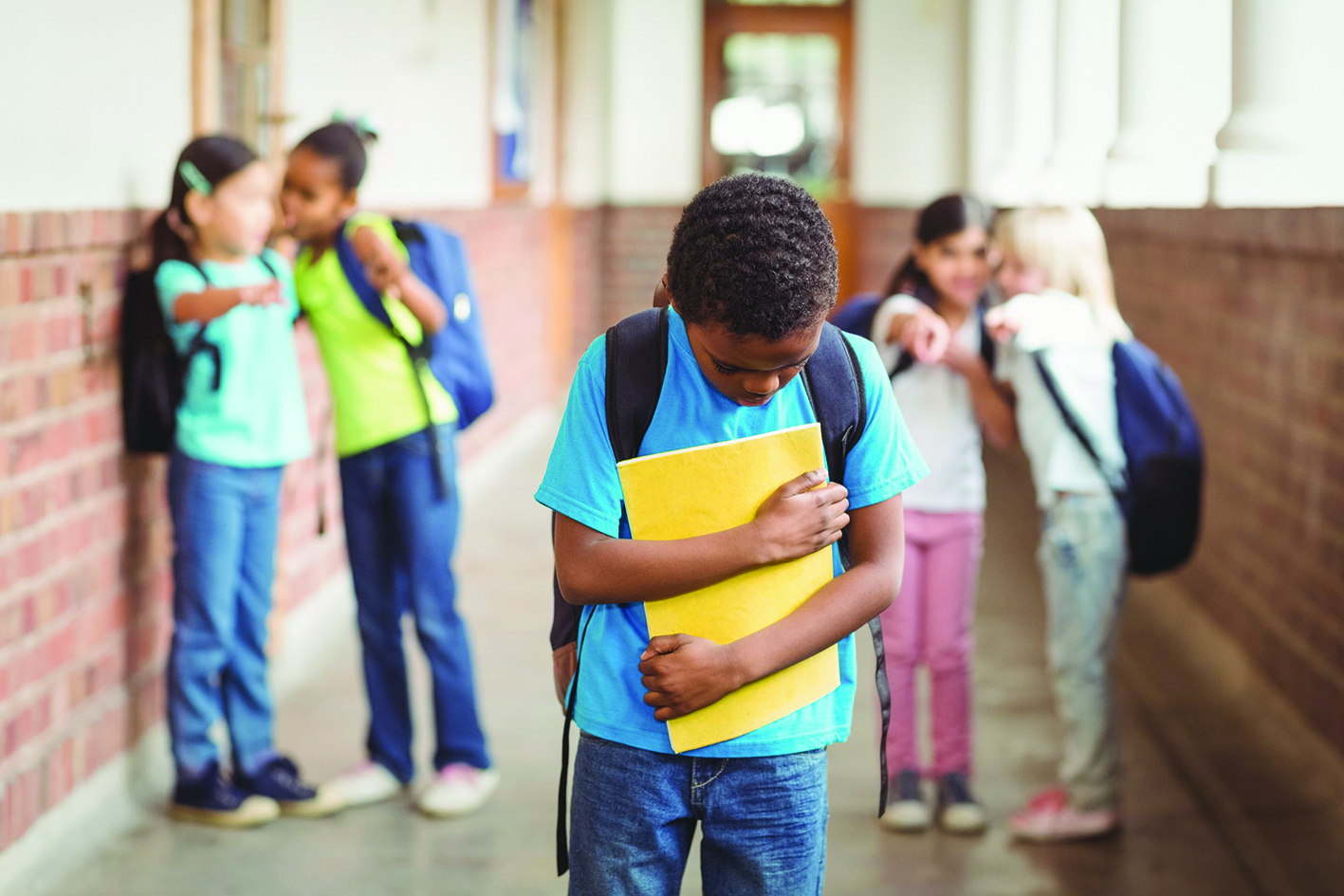
There is a moment, just after the bell, when a learner hangs back and waits for the rest of the class to leave. There are a few seconds to decide whether to tell the teacher about the bullying at break, the violence at home or the reason it has become hard to concentrate.
Asking children to speak up is easy. A school owes them a better opportunity than a hurried conversation between lessons. A place for difficult conversations begins with something ordinary. A learner should know whom to approach, how to ask for time alone and when that person will be available. Before sharing something painful, the child should understand who else may need to know and why.
Every school should have reliable access to a social worker and a psychologist. A trusted teacher may be the person a child chooses first and that relationship is worth protecting. But a teacher with another class at the door needs a colleague who can give the matter time.
Children also need a choice of whom to approach. That choice matters most when the adult they are worried about is the very person they would usually be expected to tell.
Research on bullied learners
The consequences reach into the classroom. In South Africa’s 2023 Trends in International Mathematics and Science Study, more than one in five Grade 9 learners reported being bullied weekly.
The learners scored lower, on average, in maths and science than peers who seldom experienced bullying. A poor mark usually prompts questions about studying, homework or extra lessons.
It should also leave room for a question about the school day. A learner who dreads what will happen at break has good reason to keep an eye on the clock.
Prioritise schools in violent communities
In a 2024 reply to Parliament, the Department of Basic Education said every school had access to a social worker.
The reply recorded that just 75 schools had a permanent social worker, with district teams among the ways other schools could obtain support. Sharing professionals can be practical. From a family’s point of view, the test is straightforward. If a child asks for help on Monday, can anyone say when someone will see them?
Provincial education departments should fund regular visits, giving priority to schools in communities most affected by violence. If a learner discloses that they are being bullied in a corridor, the school must attend to what is happening there. If a social worker refers a child to a service across town, somebody should check whether the family can afford the taxi fare or a parent can get time off work.
A referral may look complete to the person who filled in the form while the family is working out how to get to the first appointment.
Making space for these conversations will sometimes require adults to hear uncomfortable things about their schools. A learner may say that a teacher laughed off a complaint or that the office set aside for private meetings has thin walls.
When a child waits behind after the bell, the first adult they tell should be able to close the door, give them time and answer the question that matters most once they have spoken: What happens now?
• Dusani is a graduate in public relations and communications from the University of Johannesburg. She is interning at Decode, a Pan-African PR agency in Johannesburg.
- More than one in five Grade 9 learners in South Africa reported being bullied weekly in the 2023 Trends in International Mathematics and Science Study.
- Learners who experience bullying weekly scored lower in maths and science than their peers who are seldom bullied.
- The Department of Basic Education stated in 2024 that every school had access to a social worker, but only 75 schools had a permanent social worker.
- It is important for schools to provide private and trusted spaces where children can discuss bullying, violence, or other personal issues with a responsible adult.
- Regular visits by social workers should be prioritized for schools in communities most affected by violence to ensure timely and accessible support for learners.


