


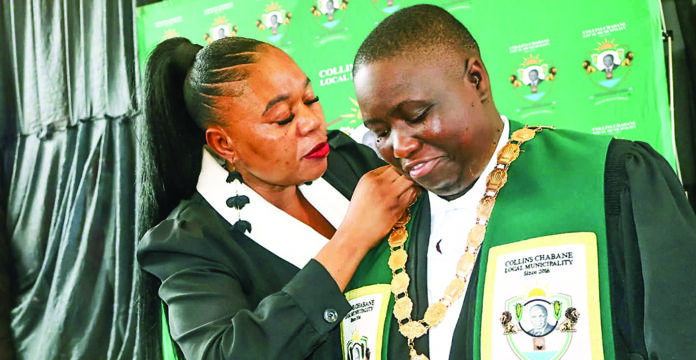
There are moments when a society must decide what it will tolerate in its public discourse. The degrading attacks on Hlulani Matshebele, the new mayor of Collins Chabane Local Municipality in Limpopo, because of perceptions about her gender or sexual orientation, constitute such a moment.
This is not legitimate political criticism. It is bullying, backward and incompatible with the democratic South Africa generations struggled to build.
Every mayor must be scrutinised. Every public representative must account. Governments must answer for failure, corruption must be exposed and incompetence confronted without fear or favour.
Prejudice behind the humiliation
But none of this requires humiliating another human being because of how we imagine that person should look, dress, speak, love or identify. That is not accountability. It is prejudice masquerading as public debate.
South Africa did not overcome institutionalised oppression to find new identities to police and new people to humiliate. The democratic project demands that difference, whether of race, gender, generation, culture or sexuality, must never become a licence for dehumanisation.
There are far more urgent questions to ask Matshebele. Can her administration improve water provision, roads and electricity? Can it strengthen financial governance, protect public resources and build a capable municipal administration? Can it unlock economic potential and create opportunities for young people? Can communities experience government not as promises but as visible improvement in daily life?
Those are political questions. Speculation about her perceived identity is not.
Poverty-stricken communities
Collins Chabane serves communities in a region burdened by poverty yet possessing considerable economic potential. The area does not need politics distracted by small-minded prejudice. It needs leadership concentrated on development, infrastructure, clean administration and the dignity of citizens.
Matshebele’s elevation is an opportunity for a younger generation of leaders to demonstrate that renewal means more than replacing older faces with younger ones. Young leaders must earn confidence through competence, humility, ethical leadership, discipline and intolerance of corruption. That test is especially important in a political environment scarred by failures of governance and the VBS scandal. The correct response is greater vigilance over public money and stronger accountability, not voyeurism about a young woman’s identity.
Ask whether municipal resources are safe, procurement clean,officials accountable and communities are receiving services. If she fails those standards, criticise her. If she succeeds, have the political maturity to acknowledge it.
Most powerful answer to prejudice
Matshebele’s reported refusal to be distracted by the abuse and her insistence on focusing on service delivery is significant. The most powerful answer to prejudice will be found in a functioning municipality: when water reaches communities, roads improve, electricity becomes dependable, public money is protected and young people can see economic possibility.
We cannot proclaim non-sexism and tolerate misogyny and bigotry. We cannot celebrate women and young people entering leadership and then permit them to be reduced to their appearance or presumed sexuality. Political parties have a responsibility to educate their members and supporters and to call poisonous conduct to order.
To the mayor: stay focused. Do not seek exemption from scrutiny; invite it on the terrain that matters. Let the people judge your leadership by integrity, conduct and what your administration delivers.
To the rest of us: disagree with her politics. Challenge her decisions. Organise against her if she fails communities. Vote against her if you choose. But her humanity is not on the ballot.
• Ramagoma is an activist and former ANC Gauteng and Parliamentary caucus spokesperson. He is also a former senior public servant and ministerial special adviser. He is a businessman and writes in his personal capacity.
- Hlulani Matshebele, mayor of Collins Chabane Local Municipality in Limpopo, has faced degrading attacks based on perceptions of her gender or sexual orientation.
- The article emphasizes that such attacks are bullying and incompatible with democratic South Africa, and stresses that political criticism should focus on governance and accountability.
- Collins Chabane municipality serves poverty-stricken communities with economic potential and requires leadership focused on development, infrastructure, and clean administration.
- Matshebele's refusal to be distracted by abuse and her focus on service delivery are highlighted as a strong response to prejudice.
- Criticism or support for Matshebele should be based on her administration’s performance in improving services, financial governance, and community impact, not on personal identity.
There are moments when a society must decide what it will tolerate in its public discourse. The degrading attacks on Hlulani Matshebele, the new mayor of Collins Chabane Local Municipality in Limpopo, because of perceptions about her gender or sexual orientation, constitute such a moment.
This is not legitimate political criticism. It is bullying, backward and incompatible with the democratic South Africa generations struggled to build.
Every mayor must be scrutinised. Every public representative must account. Governments must answer for failure, corruption must be exposed and incompetence confronted without fear or favour.
But none of this requires humiliating another human being because of how we imagine that person should look, dress, speak, love or identify. That is not accountability. It is prejudice masquerading as public debate.
South Africa did not overcome institutionalised oppression to find new identities to police and new people to humiliate. The democratic project demands that difference, whether of race, gender, generation, culture or sexuality, must never become a licence for dehumanisation.
There are far more urgent questions to ask Matshebele. Can her administration improve water provision, roads and electricity? Can it strengthen financial governance, protect public resources and build a capable municipal administration? Can it unlock economic potential and create opportunities for young people? Can communities experience government not as promises but as visible improvement in daily life?
Those are political questions. Speculation about her perceived identity is not.
Collins Chabane serves communities in a region burdened by poverty yet possessing considerable economic potential. The area does not need politics distracted by small-minded prejudice. It needs leadership concentrated on development, infrastructure, clean administration and the dignity of citizens.
Matshebele’s elevation is an opportunity for a younger generation of leaders to demonstrate that renewal means more than replacing older faces with younger ones. Young leaders must earn confidence through competence, humility, ethical leadership, discipline and intolerance of corruption. That test is especially important in a political environment scarred by failures of governance and the VBS scandal. The correct response is greater vigilance over public money and stronger accountability, not voyeurism about a young woman’s identity.
Ask whether municipal resources are safe, procurement clean,officials accountable and communities are receiving services. If she fails those standards, criticise her. If she succeeds, have the political maturity to acknowledge it.
Matshebele’s reported refusal to be distracted by the abuse and her insistence on focusing on service delivery is significant. The most powerful answer to prejudice will be found in a functioning municipality: when water reaches communities, roads improve, electricity becomes dependable, public money is protected and young people can see economic possibility.
We cannot proclaim non-sexism and tolerate misogyny and bigotry. We cannot celebrate women and young people entering leadership and then permit them to be reduced to their appearance or presumed sexuality. Political parties have a responsibility to educate their members and supporters and to call poisonous conduct to order.
To the mayor: stay focused. Do not seek exemption from scrutiny; invite it on the terrain that matters. Let the people judge your leadership by integrity, conduct and what your administration delivers.
To the rest of us: disagree with her politics. Challenge her decisions. Organise against her if she fails communities. Vote against her if you choose. But her humanity is not on the ballot.
• Ramagoma is an activist and former ANC Gauteng and Parliamentary caucus spokesperson. He is also a former senior public servant and ministerial special adviser. He is a businessman and writes in his personal capacity.


